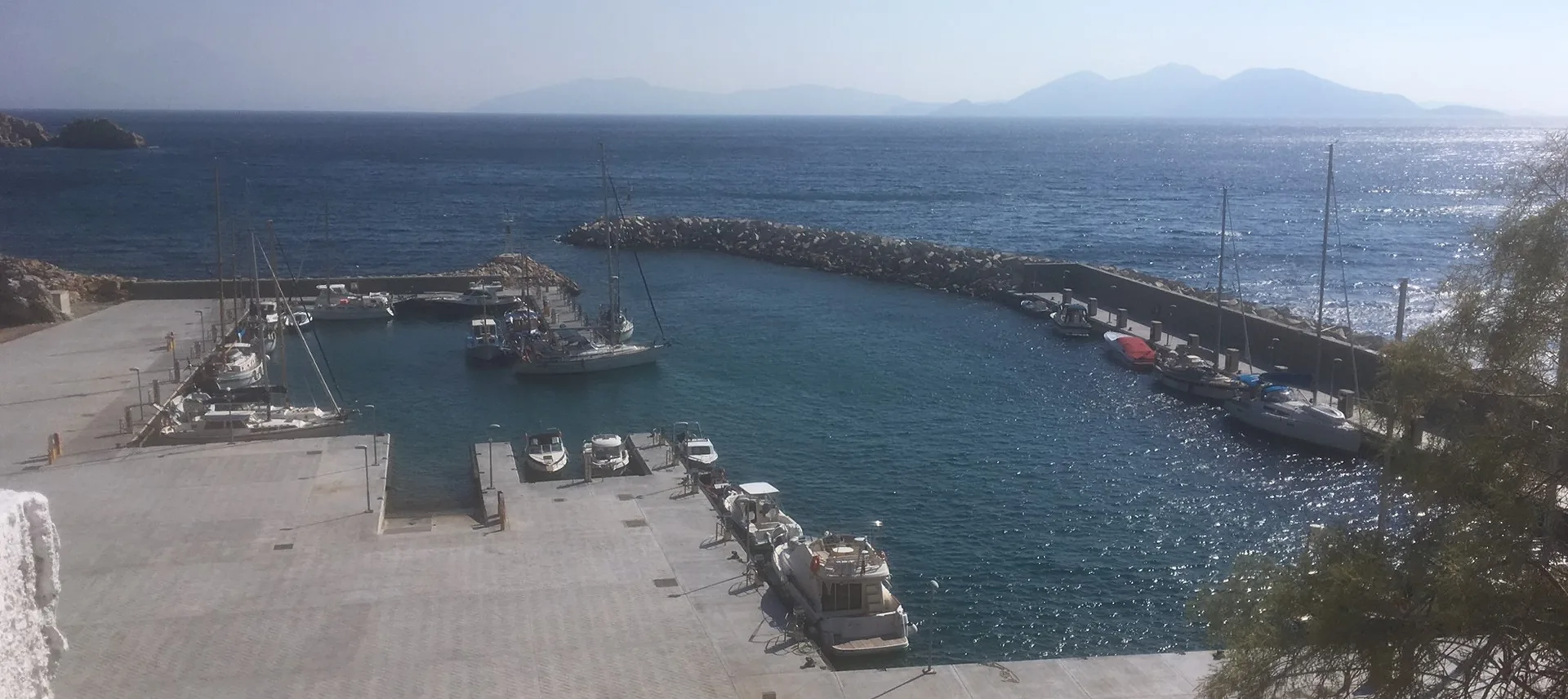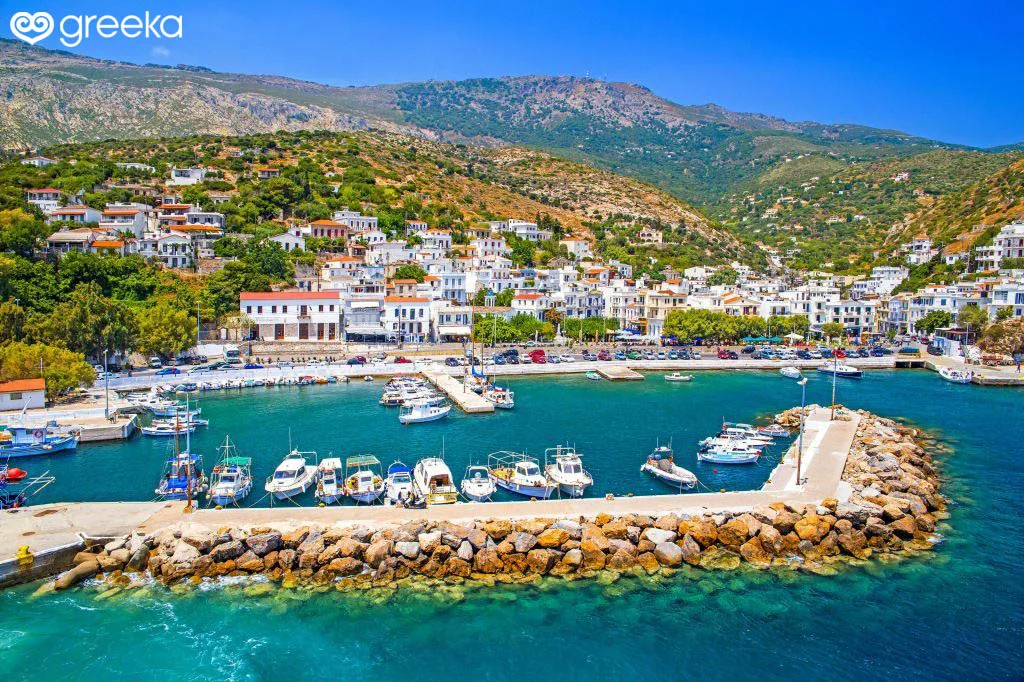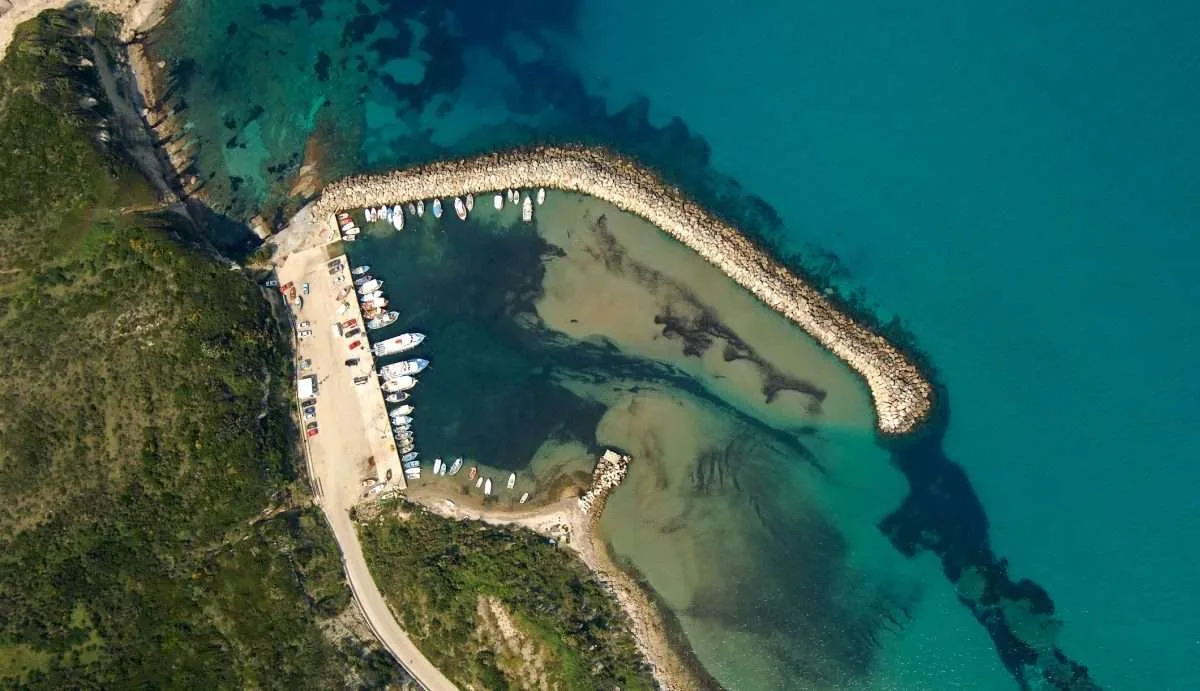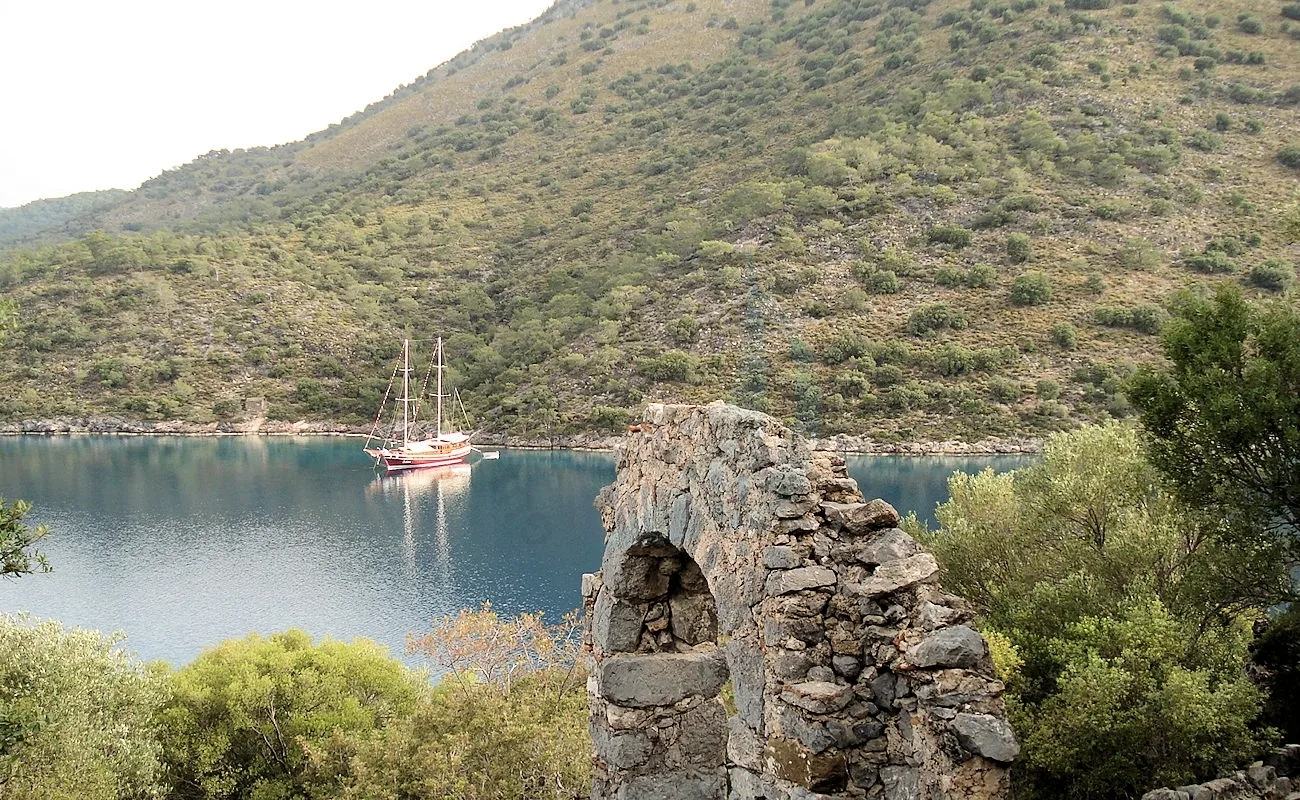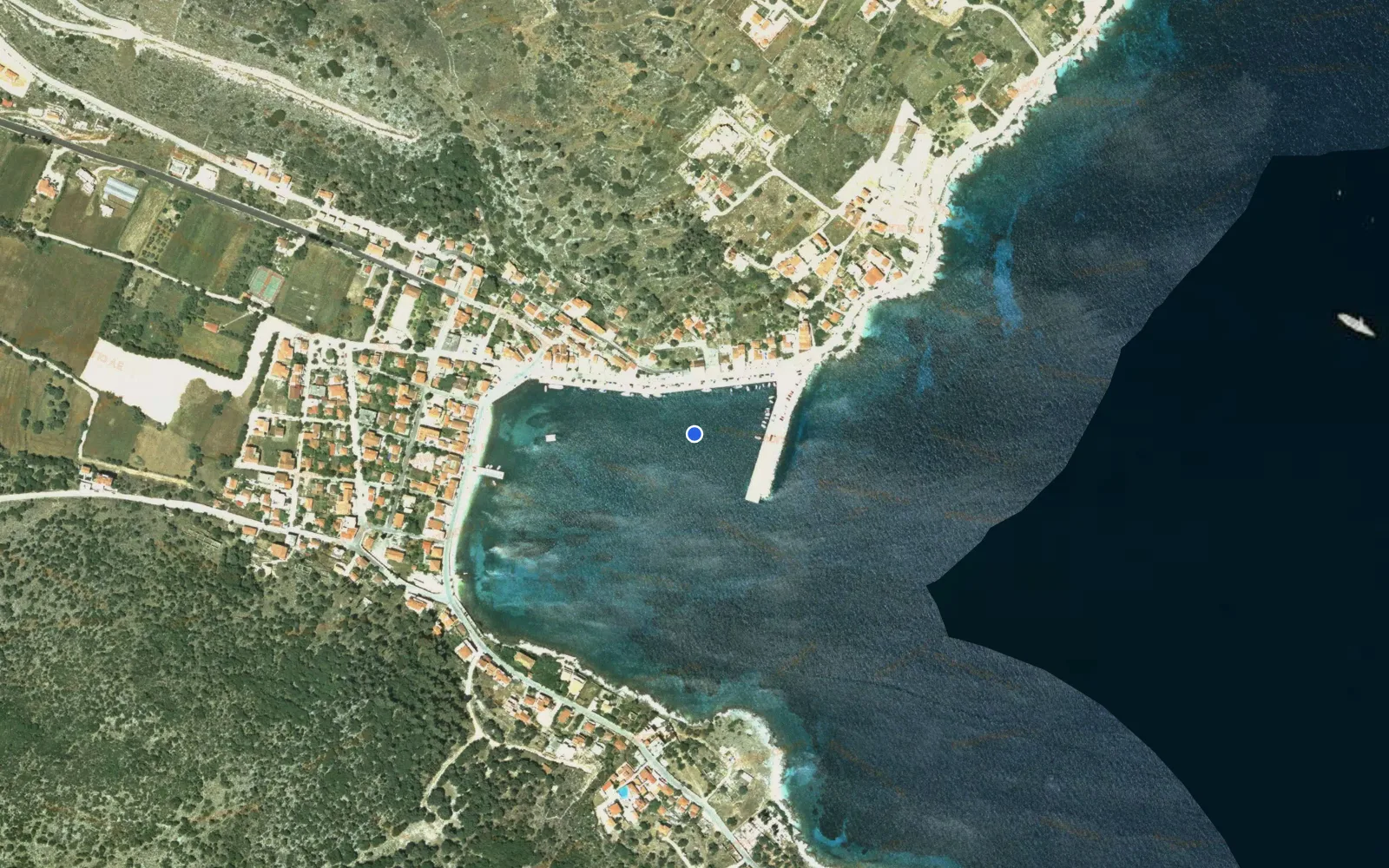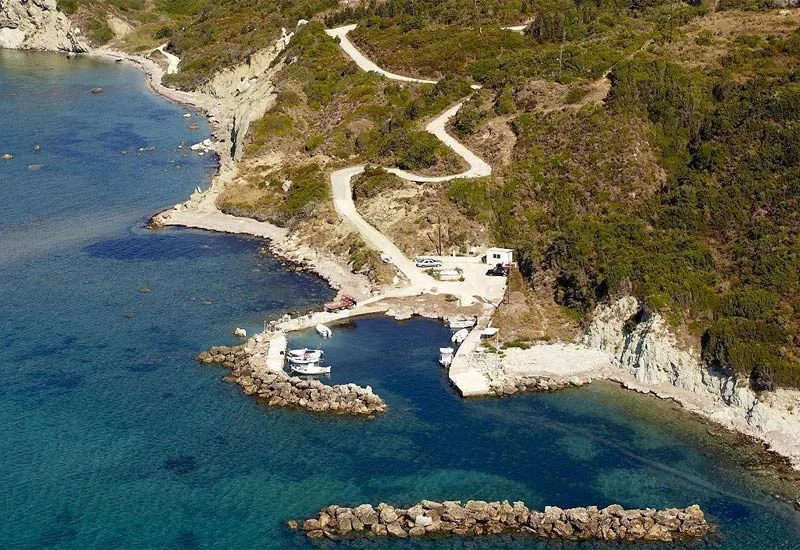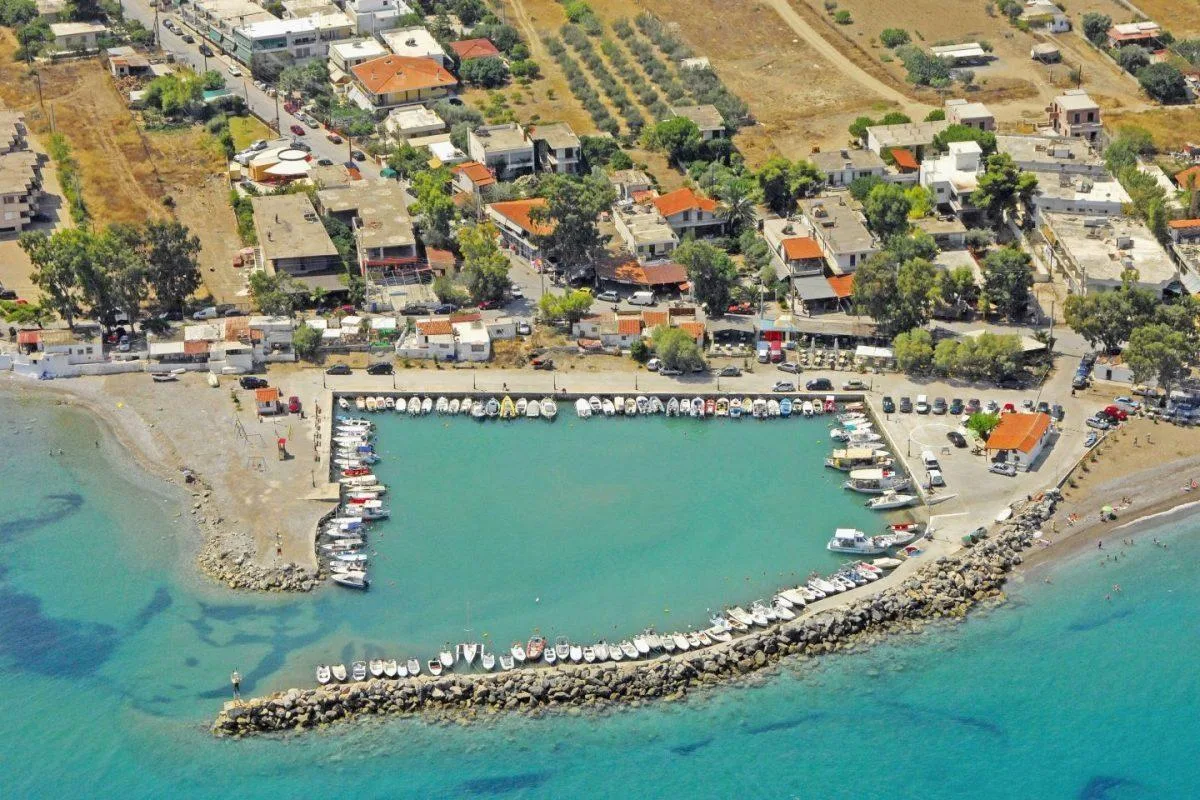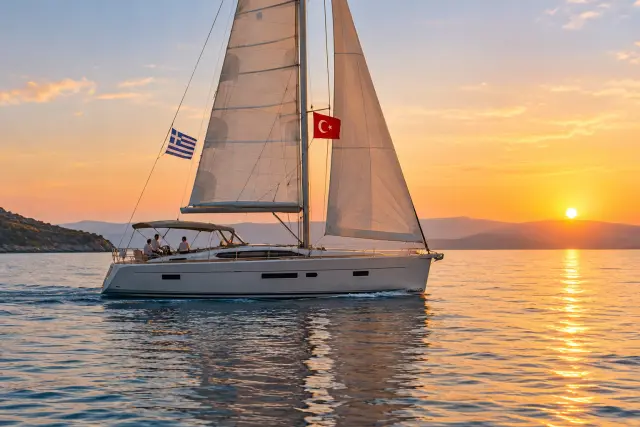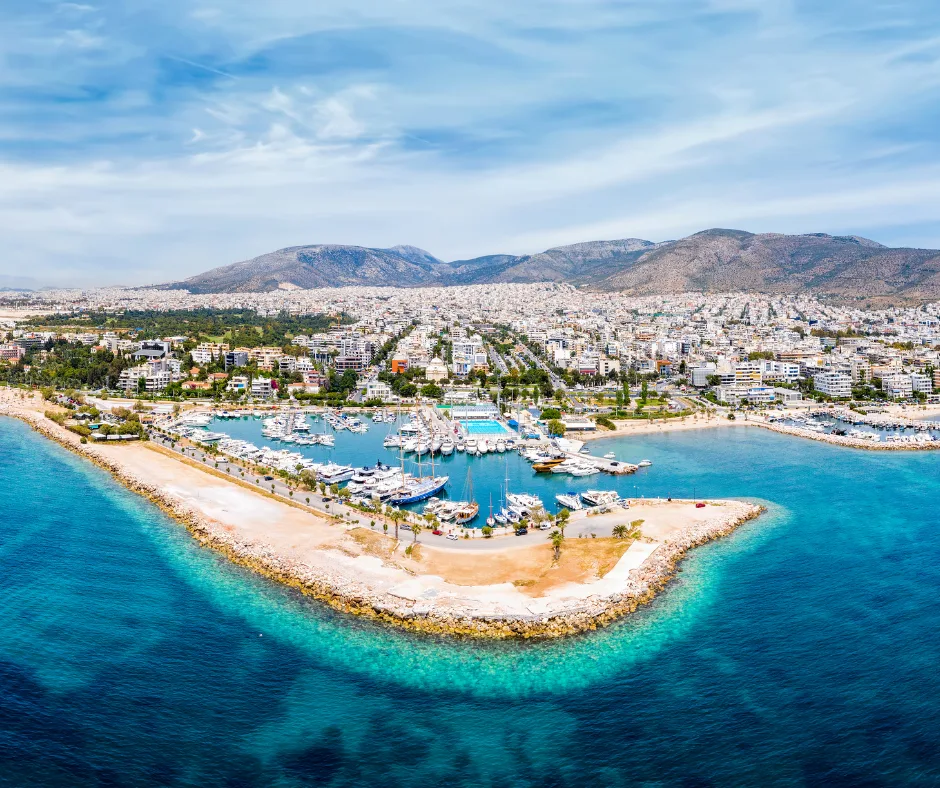
For anyone planning an ionian islands sailing itinerary, motoring slowly into Vathy on Meganisi on a quiet afternoon is a memorable experience. The engine ticks over, steep limestone cliffs drop almost vertically into water so clear you can see your anchor touch the sand at eight metres. There are three other boats in the bay. By 6pm one of them leaves. That is what the Ionian gives you that other Greek sailing grounds do not: space, warmth, and wind you can actually plan around.
This Ionian Islands sailing itinerary covers seven days and 160 nautical miles from Lefkada south to Paxos, with a final run north to Corfu. You pass through Meganisi, Ithaca, Kefalonia, and Antipaxos along the way. The route suits first-time charterers and experienced sailors equally well, with short daily legs, reliable summer wind, and no meltemi to worry about.
Here is what you need to know before you set off.

Why sail the Ionian Islands
The Ionian is the most forgiving sailing area in Greece. The prevailing summer wind is the Maistros, a north-westerly blowing 10 to 18 knots most afternoons between June and September. It is steady, predictable, and almost always on your beam or quarter as you head south through the island chain. Unlike the Aegean, there is no meltemi, and the sea temperature sits between 22 and 26°C from July through September.
The anchorages are varied and, outside of peak August, rarely overcrowded. You have everything from the tight little harbour at Kioni to completely open bays on Antipaxos where the water is the colour of a swimming pool and the sand is white. The culture is distinct too. Venetian architecture survives in Fiskardo and Gaios. The food is good, the olive oil is excellent, and tavernas are built for people arriving by boat.
This route suits beginners well. The daily legs are short (14 to 22nm on most days, with one longer 45nm passage to Paxos), the waters are sheltered, and the anchorages are clear of serious hazards. Families with children sail it regularly. Couples who want a mix of sailing and island culture will find it ideal in September.
One honest caveat: July and August push anchorages to capacity. Fiskardo and Gaios get genuinely busy, and finding a spot after 4pm without a reservation can be frustrating. If you are planning a peak-season trip, book marinas ahead and arrive early.
Best time for this itinerary
May is pleasant but early. Water temperature is still below 22°C, some tavernas have only just reopened, and wind can be patchy or come from the west ahead of an Ionian low. Go in May if you want empty anchorages and do not mind the occasional grey morning.
June is close to ideal. Wind is building toward the reliable summer pattern, anchorages are not yet full, and prices are 30 to 40% lower than August. Days are long. The water is warm enough to swim comfortably.
July and August are the most popular months and the most expensive. Charter prices rise 40 to 60% above shoulder rates, Fiskardo is heaving, and Antipaxos looks like a flotilla convention on weekends. That said, the wind is reliable and the weather is near-certain. First-timers who feel safer in predictable conditions often prefer it despite the crowds.
September is the best month for most people. Prices drop, the sea is at its warmest (26°C), wind remains steady, and the islands empty out after the third week. Tavernas are still open, the light is golden in the evening, and you will often have anchorages to yourself by mid-September.
October is possible. Wind picks up and can be stronger than forecast. Some facilities begin to close by mid-month. Worth it for experienced sailors who want cheap rates and dramatic skies.
November to April: most charter companies pull their boats from the water. A few operate year-round out of Corfu, but marinas are quiet, many restaurants are shut, and the weather is unreliable. Not recommended for this particular itinerary.
The specific recommendation: September, first two weeks. You get summer conditions, autumn prices, and a route that feels like it was designed for the time of year.
7-day Ionian Islands sailing itinerary
Overview: 160nm total, starting from Lefkada (Lefkas Marina) and ending at either Corfu (Gouvia Marina) or back at Lefkada. The route is rated beginner-friendly. No night sailing required. The longest leg is 45nm (Day 5 to Paxos), which should be started early. All other days are under 25nm.
Day 1: Lefkada to Nidri or Vlicho bay (8nm)
Day 1 is not about distance. It is about getting the boat sorted.
Pick up your charter at Lefkada (Lefkas Marina), run through the safety brief, and take the 10-minute bus into Lefkada town to provision properly. There are two large supermarkets in town. Stock up here. Island shops are expensive and often understocked. Once you have cleared the canal and motored the 8nm south, you are in Nidri, which has a chandlery and a small supermarket if you have forgotten anything.
Nidri itself is a busy tourist town rather than a charming village, but it does the job. Anchor in Vlicho Bay just south of Nidri for a much quieter night in 4 to 8 metres over good holding mud. Alternatively, take a berth at the marina in Nidri if you want shore power and a shower after a travel day.
Tip: The Lefkada canal has a fixed bridge with 17m clearance. Most charter monohulls clear it fine, but check your air draft before committing if you have a tall rig.
Day 2: Nidri to Meganisi (12nm)
Meganisi is the stop on this itinerary that most people have not heard of before they arrive, and can not stop talking about afterwards.
Motor or sail the short 12nm from Nidri. The island has three main bays: Vathy, Spartochori, and Port Atheni. Vathy is the most dramatic. The channel into it is narrow and the cliffs come straight down to the water. Anchor in 5 to 10 metres over sand and rock. Holding is generally good, but set the anchor firmly and check it once you are in because the bay can get a little wind funnelling off the cliffs in the afternoon.
Spartochori is easier to enter and has a small taverna on the quay. Walk up the stone steps to the village above the harbour. Octopus hangs drying outside most houses. Order grilled octopus and local wine and watch the sun drop behind Lefkada.
There are no major hazards on this leg. Wind is usually light in the morning; the afternoon Maistros fills in by around noon.
Day 3: Meganisi to Ithaca, Kioni (22nm)
This is the first proper sailing day. The passage takes you offshore across to Ithaca, and in a typical summer pattern you will have 10 to 15 knots from the north-northwest for most of the crossing. Set the sails and enjoy it.
Kioni is one of the prettiest villages in Greece. Pastel houses in yellow, terracotta, and white step down to a small harbour overlooked by three ruined windmills on the hill above. You can berth on the quay stern-to or anchor off in 5 to 12 metres. The harbour can fill up in August; aim to arrive before 3pm.
For dinner, Kioni has a handful of tavernas right on the waterfront. The food is honest and cheap by Greek island standards. The village has no significant tourist infrastructure outside of boats arriving like yours, which keeps it from feeling commercial.
Navigation note: The southern approach to Kioni is clear. Watch for a shallow spit on the north side of the harbour entrance when swinging to anchor.
Day 4: Ithaca to Kefalonia, Fiskardo (14nm)
A short hop north-east across to Fiskardo. The crossing takes two to three hours depending on wind. On calm mornings you may motor the whole way, which is fine given the distance.
Fiskardo is the one village in Kefalonia to survive the 1953 earthquake completely intact. The Venetian architecture is genuinely impressive and the setting, a natural harbour with cypress trees framing the entrance, rewards a slow approach under sail.
Berth stern-to on the main quay. The harbourmaster comes around to assign spots and collect fees (around €30 to 60 per night depending on boat size). The village is small enough to walk end to end in ten minutes, but it packs in several good restaurants.
Dinner at Tassia on the waterfront is worth the splurge. The owner, Tassia Dendrinous, has been running it for decades and published her own cookbook. The food is traditional Kefalonite, the fish is fresh, and the prices are higher than the average taverna but justified. Book a table in August.
Day 5: Fiskardo to Paxos, Gaios (45nm)
Start early. This is the longest day on the itinerary and the one that requires the most weather judgement.
Leave by 7am at the latest. In a typical summer north-westerly, the passage is a broad reach or run, and a 40-foot monohull will cover the distance in seven to eight hours without drama. However, a northerly swell can make the open stretch uncomfortable, and if the forecast shows more than 20 knots or a confused sea state, it is worth waiting a day.
Check the five-day forecast before committing to this leg. The channel between Lefkada and Kefalonia is relatively sheltered, but the approach to Paxos across open water is exposed.
Gaios is a tiny harbour with a Venetian fortress on a small island at the entrance. The town is well preserved and genuinely charming, but in late July and August it is extremely crowded. The waiting pontoon fills up; boats raft three and four deep. Book a berth in advance through the harbourmaster if you are travelling in peak season, or anchor in one of the bays just north of the harbour entrance and take the dinghy ashore.
Pick up local olive oil in Gaios. Paxos has some of the best in Greece and it is sold from small shops and market stalls at fair prices.
Day 6: Paxos to Antipaxos, then Sivota (20nm)
Antipaxos is two miles south of Paxos. Voutoumi Bay on Antipaxos’s west coast has white sand and turquoise water that genuinely does look like a Caribbean postcard. There is no marina and no village, just the beach and a seasonal beach bar. Anchor in 3 to 6 metres, swim, eat lunch on deck.
Arrive before 11am in summer if you want space. By early afternoon in July and August, the bay holds 20 to 30 boats and jet skis from Paxos arrive in numbers. The water is still beautiful. It is just less peaceful.
Leave mid-afternoon for the 18nm sail across to Sivota on the Greek mainland. Sivota is a quiet fishing village that most flotillas skip, which is exactly why it works as a night stop. The fish tavernas on the waterfront serve properly fresh fish at prices that feel unusually reasonable after Gaios. Anchor in the bay or take a space on the town quay.
The approach to Sivota from the south-west is through calm, shallow water. Follow the buoyed channel and watch your depth on the last few hundred metres.
Day 7: Sivota to Corfu or return to Lefkada (30nm)
The route splits here depending on your charter arrangement.
If ending in Corfu: Sail north-west from Sivota, passing along the dramatic Albanian coastline. The mountains behind the Albanian coast rise steeply from the sea and the backdrop is unlike anything else on this route. Enter the Corfu Channel and head south to Gouvia Marina, 6nm from Corfu town. Corfu International Airport is ten minutes by taxi from the marina.
If returning to Lefkada: The wind will almost certainly be on the nose. This means motoring most or all of the way north, a five to six hour engine run. It is not uncomfortable but it is not sailing. Factor in fuel costs (approximately €80 to 120 extra for the full return leg on a 40-foot boat). Most charterers opt for a one-way ending in Corfu if the logistics allow it.

What boat to charter for this route
A monohull (35 to 40 feet) is the standard choice and the right one for most groups. The Ionian’s anchorages are all suitable for monohulls. In peak season, monohulls manoeuvre more easily in tight spaces like Gaios or Fiskardo quays. Prices run from €900 to €1,800 per week in shoulder season and €1,600 to €3,000 in July and August. That is for the boat, not including fuel, marinas, or provisioning (add 20 to 25% for a realistic all-in cost).
Catamaran, 40 feet suits groups of six to ten or families who want more deck space and stability at anchor. Kids sleep better on a catamaran. The trade-off is marina fees (catamarans pay by overall beam, which pushes costs up), and some smaller harbours charge a premium. Budget €2,500 to €4,500 per week in shoulder season and €4,500 to €8,000 in peak season.
Bareboat vs skippered: For this route, bareboat is accessible if you have 500nm of offshore experience and hold an ICC or equivalent national certificate. Greek authorities do check documents in July and August, so carry your log, licence, and insurance papers. If this is your first charter or you want to focus on the islands rather than the sailing, booking a skippered charter is a good investment. Skippers charge €160 to €200 per day plus a €30 per day food allowance, paid directly.
Cabin charter (booking individual berths) is an option if you are travelling solo or as a couple without enough people to fill a boat. Several operators run group flotillas on this exact route.
Search and compare available yachts for this itinerary at SailingClick’s Greece charter search.

Practical tips before you go
Provisioning: Stock up in Lefkada town on Day 1. The two large supermarkets there stock everything you need at mainland prices. Once you leave Lefkada, island shops are marked up significantly. Nidri has a smaller supermarket as a backup. Carry enough food for three to four days at a time.
Fuel: The fuel dock at Lefkada Marina is the most convenient fill-up. There is also a diesel pontoon in Nidri. Diesel runs approximately €1.80 to €2.00 per litre. For a 40-foot monohull motoring 30 hours over the week, budget around €120 to €150 in fuel total if conditions are good for sailing. Add €80 to €120 if you are returning to Lefkada against the wind on Day 7.
VHF: Monitor Channel 16 at all times underway. Greek Coastguard operates on Channel 16. Switch to the marina’s working channel when calling ahead for a berth. Most marinas in the Ionian respond on 16 and direct you to a working channel from there.
Documents: Carry your skipper’s licence or ICC, the boat’s registration papers, proof of insurance, and your transit log. The transit log is issued when you check in with the port authority (usually at your charter base). You will need to show it when entering some ports.
Rough daily budget per boat:
| Item | Estimated cost |
|---|---|
| Marina berth (average) | €30-60/night |
| Fuel | €15-25/day |
| Provisioning | €40-70/day |
| Eating out (2 meals ashore) | €60-100/day |
| Total | €145-255/day |
Anchorage nights (free) significantly reduce the marina line.

Find charter yachts for this itinerary
Searadar searches across the major charter platforms so you can compare real availability and prices in one place, without spending an afternoon on four different booking sites.
Find Your Perfect Charter
Compare yachts, catamarans and prices from top charter companies in one search.
Powered by Searadar · No booking fees
If you are travelling in July or August, book at least three to four months ahead. The best 40-foot monohulls in the Ionian sell out early, and late bookings in peak season leave you with whatever is left.
Frequently asked questions
Do I need sailing experience to do this route?
A basic competency certificate (RYA Day Skipper or equivalent) and 500nm of logged offshore experience satisfies most charter companies for a bareboat in the Ionian. The waters are calm, the legs are short, and the route is specifically rated beginner-friendly. If you are completely new to sailing, book a skippered charter instead. The skipper handles all the boat work and you learn on the way.
Can I do this itinerary in reverse, starting from Corfu?
Yes, and some people prefer it. Starting in Corfu means your big passage day (Paxos to Fiskardo, 45nm) comes early in the week when you are fresh. The downside is that sailing from Corfu south toward Lefkada means sailing upwind against the prevailing Maistros for most of the week, which translates to more motoring and less comfortable passages. The Lefkada-to-Corfu direction works with the wind.
What is the best month for a first-time charter in the Ionian?
September, specifically the first two weeks. The wind is reliable, the sea temperature is at its highest (around 26°C), prices drop noticeably from August peak rates, and the anchorages are much less crowded. June is the second-best option, with good wind and empty anchorages but cooler water (around 22°C).
What happens if there is no wind?
The Ionian in summer is almost never completely windless, but light mornings are common before the Maistros fills in around noon. On a calm day, motor the short legs (Days 1, 2, and 4 are all under 15nm) and wait for wind on the longer ones. The charter boat will have enough diesel for the whole itinerary even if you motor every leg. Budget for extra fuel on a calm week.
How much does a week’s charter cost all in?
The base charter rate for a 35 to 40-foot monohull runs €900 to €1,800 per week in shoulder season (May-June, September-October) and €1,600 to €3,000 in July and August. Add 20 to 25% for the APA (Advance Provisioning Allowance, which covers fuel, marina fees, and provisioning). If you add a skipper, budget an extra €190 to €230 per day including the food allowance. A realistic total for four people on a 38-foot boat in September, fully crewed and fed, runs around €2,500 to €3,500 for the week.