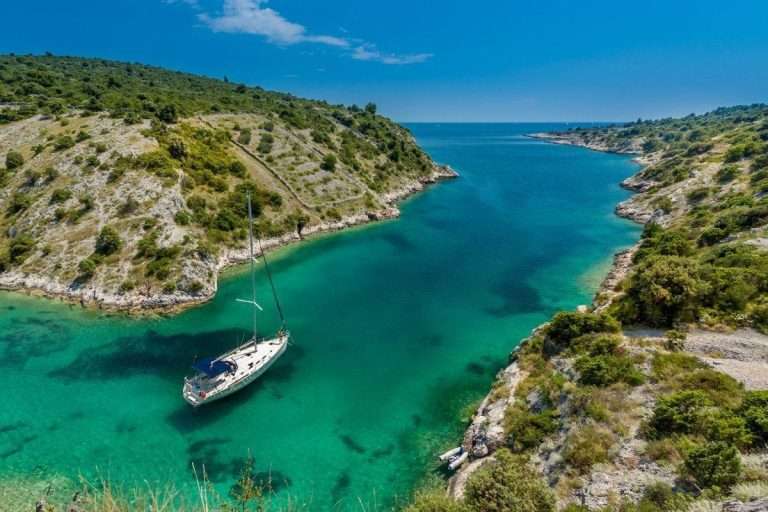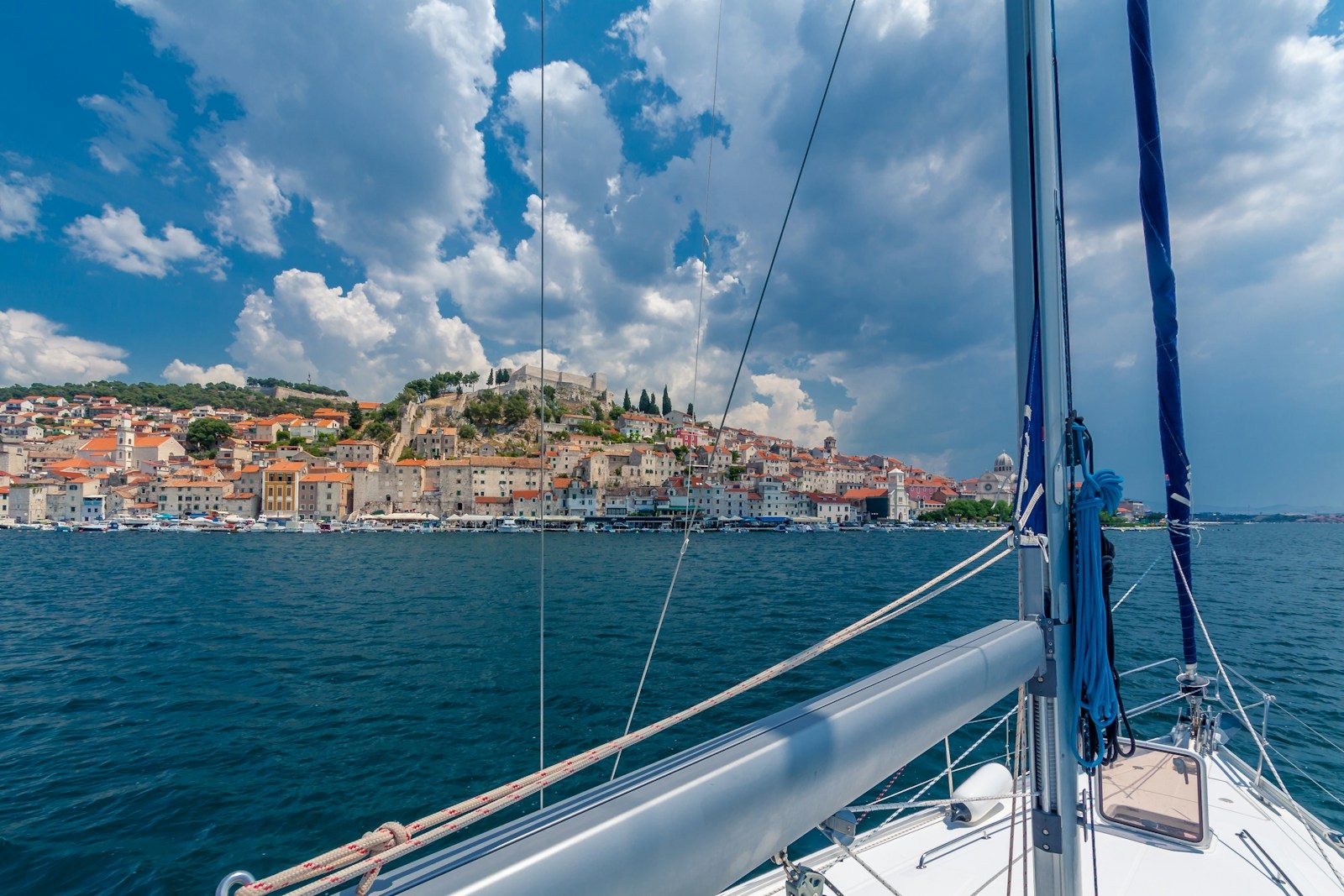

Picture this: you’re anchored off the island of Vis on a Tuesday afternoon. The water is so clear you can see the anchor chain curving down to the sandy bottom six metres below. There’s no road noise because there are no roads. Lunch was grilled fish at a konoba with four plastic tables and a handwritten menu. Your skipper is explaining why the next bay is better than this one for sunset. This is what a yacht charter croatia with skipper actually looks like. Not the Instagram version, but the real thing, and it’s very much within reach.
Croatia is Europe’s most popular sailing destination for a reason. The Dalmatian coast offers around 1,200 islands, reliable summer winds, warm and calm water, and a density of medieval towns, national parks, and decent anchorages that no other Med destination can quite match. This guide covers everything you need to plan a yacht charter croatia with skipper: the best time to go, recommended routes from 7-day itineraries with actual nautical miles, what you’ll pay for different boat sizes, whether you need a skipper, and how to book. By the end, you’ll know exactly what kind of trip makes sense for you.
Why Croatia is a dream sailing destination
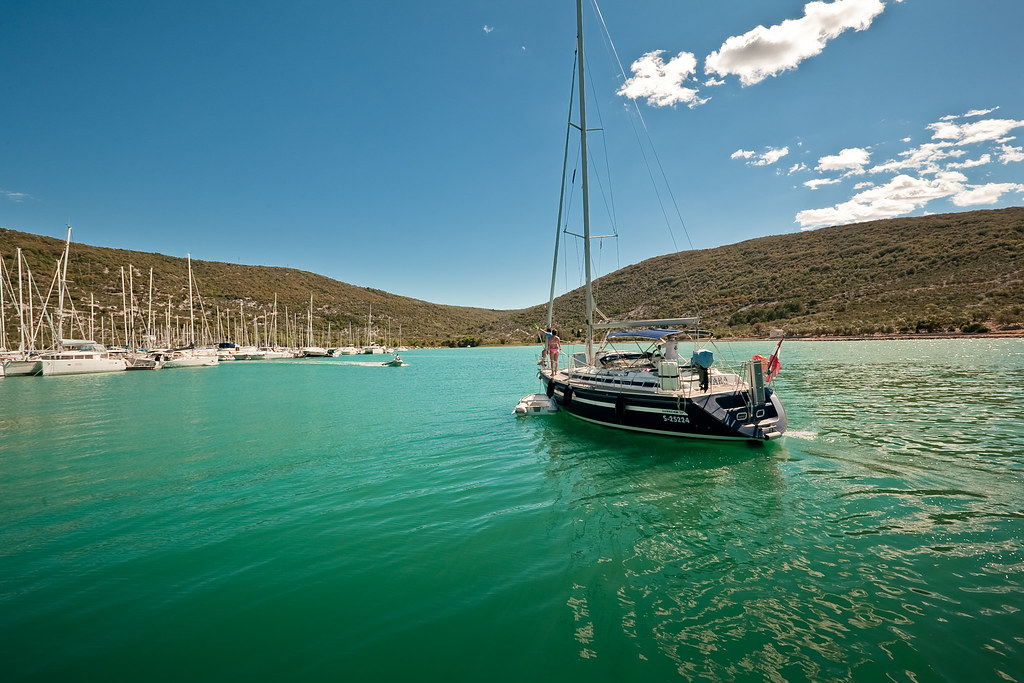
Croatia works so well for sailing because the geography was basically designed for it. The coast runs northwest to southeast, protected by a long chain of islands that keeps the open Adriatic chop off your beam for most passages. You’re hopping between islands that are typically 5 to 20 nautical miles apart, so you can stop somewhere new every single day without exhausting yourself or the crew. Most passages are 2 to 4 hours at a comfortable pace, leaving afternoons free for swimming, hiking, or sitting somewhere with a glass of local plavac mali.
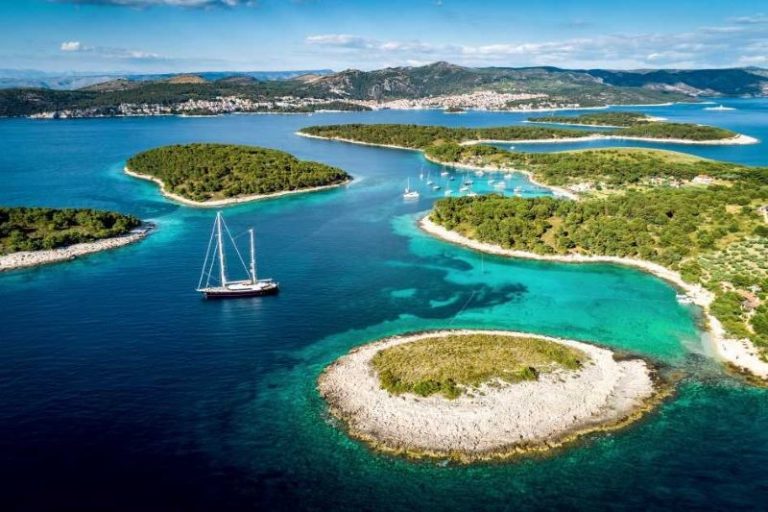
Three things are only possible by boat here. First, the Blue Cave on Biševo Island: it’s accessible only by dinghy or small tender, and if you’re anchored off Vis the night before, you can be first in line at 7am before the tourist boats arrive from the mainland. Second, the Kornati archipelago, 89 islands in a national park with no permanent residents, no cars, and almost no infrastructure beyond a handful of restaurants. You reach the best bays in a sailing yacht and spend the night at anchor in total silence. Third, Mljet’s salt lakes: the national park has a small lagoon you can sail into and anchor near the 12th-century island monastery. It’s genuinely unlike anywhere else in Europe.
The honest challenges: July and August are extremely crowded. Popular anchorages in Hvar and Brač fill up completely by mid-afternoon. Marina fees spike. And the Bora wind, a northeast gale that can gust 40+ knots, appears with relatively little warning in certain seasons. These are manageable problems rather than dealbreakers, but you should know about them before you go.
Compared to Greece, Croatia has shorter passages, better marina infrastructure, and more regulated national parks. Greece edges ahead for raw grandeur and lower off-season costs. For a first sailing holiday in the Mediterranean, Croatia is a better starting point.
Best time to charter in Croatia
The sailing season runs from late April to late October. That’s six months of viable sailing, which is longer than most people realise.
May and early June: Water temperature is still 18-20°C, cool for swimming but very comfortable for sailing. Prices are 30-40% below peak. The islands are quiet, restaurants are happy to see you, and the Maestral (the reliable northwest afternoon sea breeze) is already blowing. The main tradeoff is that some beach bars and restaurants are not yet fully open. This is a genuinely excellent time to go if you’re flexible.

July and August: Air temperatures hit 28-32°C and sea temperatures reach 25°C. The Maestral blows reliably from around noon to early evening, giving you a predictable sailing window. This is peak season in every sense: crowds, prices, and fun. Hvar town is buzzing. The beaches are packed. Anchorages in the popular spots fill by 3pm. Prices for a 40-45ft catamaran can reach €10,000/week bareboat. Families and groups who want guaranteed sun and the full social atmosphere often prefer this window.
September and October: The best time to charter in Croatia for most sailors. The water is still 22-23°C in September. Winds are slightly less predictable than July but often more interesting, with more variety than the relentless Maestral. Prices drop to shoulder rates (still not low, but meaningfully cheaper than August). The anchorages have space again. September in particular hits a sweet spot: the infrastructure is still fully operational, but the crowds are 40-50% thinner than August.
November to April: Possible only with serious preparation and experience. The Bora can close harbours. Water temperatures drop to 12-15°C. Many marinas reduce services and many restaurants close. Not recommended for a first charter or a leisure trip.
The recommendation: Book May-June or September-October if you can. The experience is genuinely better, not just cheaper. September is the single best month for most people.
Best sailing routes in Croatia
Route 1: classic Dalmatia: Split to Dubrovnik (130 nm, 7 days)
This is the most popular charter route in Croatia and justifiably so. It’s a one-way trip, which means you’re always heading somewhere new rather than retracing your steps. Most charter companies allow one-way between Split and Dubrovnik with a ferry repositioning fee.
Day 1: Base yourself at Marina Zenta Split or Marina Kaštela (just west of Split near the airport). Provision, brief with your skipper, sleep on board.
Day 2: Motor or sail 15 nm south to Bol on Brač. The Golden Horn beach is worth the walk. Brač has excellent local wine, particularly the indigenous varieties from Sutivan. Stay in the town harbour or anchor just outside it.
Day 3: 25 nm to Hvar town. This is the longest passage on the route but passes through some of the best scenery in Dalmatia. Hvar town is one of those places you’ll either love (gorgeous, full of life, excellent food) or find overwhelming depending on when you arrive. Late afternoon in July is chaos. Morning in late September is peaceful. The Harbour of Hvar handles large yachts and is well-equipped. Budget for higher marina fees here than anywhere else on the route.
Day 4: 30 nm to Korčula. The old town sits on a small peninsula and the resemblance to Dubrovnik is not accidental; both were Venetian trading cities. Wander the grid of medieval streets. Korčula is also where Marco Polo may or may not have been born, which locals take seriously regardless.
Day 5: 25 nm to Mljet National Park. Anchor in Polače bay and take the dinghy into the salt lakes area. Buy your park entry on arrival. This is the most peaceful night of the trip.
Day 6: 25 nm to Lastovo. Remote, barely touristed, and the kind of place that makes you wish you’d skipped Hvar. The local wine cooperative sells bottles at genuinely low prices.
Day 7: 25 nm to Dubrovnik. ACI Marina Dubrovnik is on the western edge of the city. Spend the day in the old town before flying home.
Route 2: island hopping from Split (80 nm, 7 days)
A better fit for groups who want a relaxed pace, or for skippers who want manageable daily distances. You return to Split at the end, so no one-way ferry fees.
Day 1: Split. Provisions, briefing, overnight.
Day 2: 15 nm to Šolta. Quiet, local, barely on the tourist radar. The village of Stomorska has good fish restaurants and no queues.
Day 3: 30 nm to Vis. The furthest offshore inhabited island in Croatia, which kept it quiet for decades when it was a restricted military zone. Good restaurants in both Vis town and Komiža on the western side.
Day 4: Day trip 5 nm to Biševo for the Blue Cave excursion. This is the most memorable part of the route. Arrive early in your tender, ideally before 9am.
Day 5: 30 nm back toward Hvar.
Day 6: 15 nm to Brač, possibly the beach at Zlatni Rat.
Day 7: 15 nm return to Split.
Route 3: Zadar Kornati circuit (100 nm, 7 days)
This route is for people who want nature over nightlife. Zadar is a surprisingly underrated base: it has direct flights from many European cities, a beautiful old town, and fast access to the Kornati archipelago.
Day 1: Zadar. The sea organ at sunset on the waterfront is genuinely one of the better pieces of public art in the Mediterranean.
Day 2: 20 nm to Murter island. Quiet, with good konobas and the most convenient access point to Kornati.
Days 3 and 4: Kornati National Park. The 89 islands here have no permanent residents and almost no infrastructure beyond a handful of seasonal fishing restaurants. You pay a park entrance fee (around €30-50/boat/day depending on size). Anchor in whichever bay takes your fancy. Some have small buoys available; others are free anchoring. This is the most isolated you’ll feel on any Croatia charter.
Day 5: 25 nm to Šibenik. The UNESCO-listed St. James Cathedral is worth an hour. The city’s marina district has a good selection of restaurants that are not primarily aimed at tourists.
Day 6: 15 nm to Primošten. Small, picturesque, with a distinctive peninsula old town.
Day 7: 20 nm return to Zadar.
Yacht charter costs in Croatia: what to expect
Monohull vs catamaran
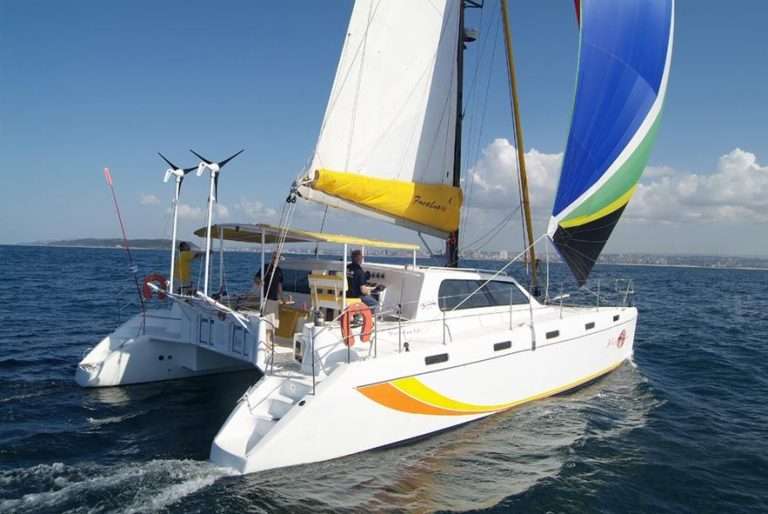
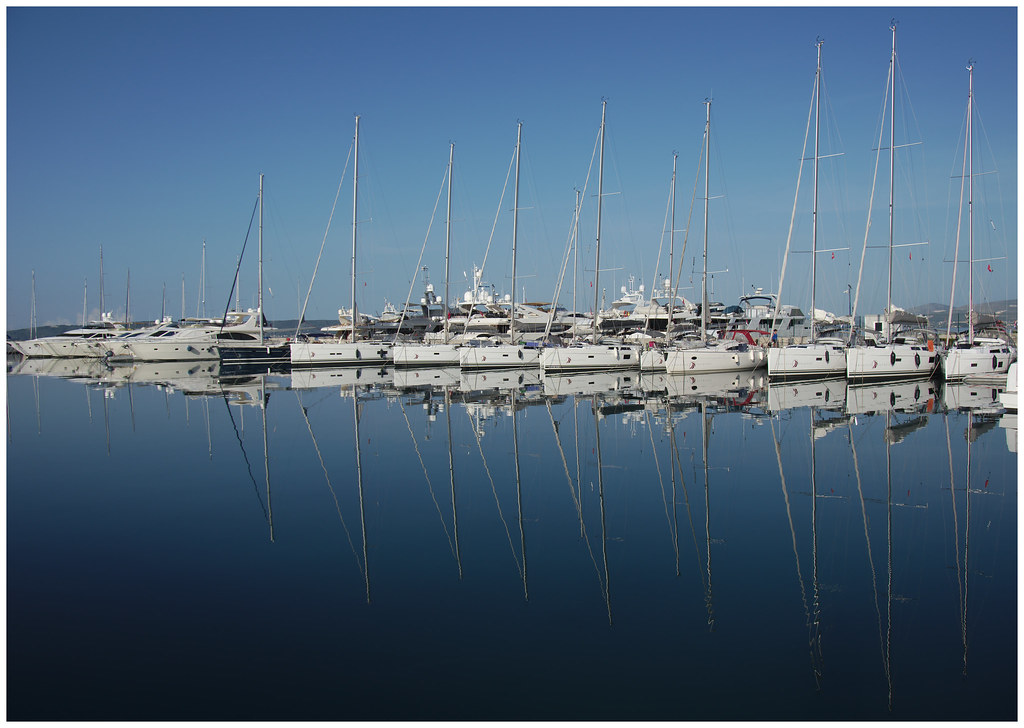
For couples or groups of four, a 38-42ft monohull is the right choice. It’s cheaper, easier to handle in tight marina berths, and frankly more fun to sail in the Maestral. Catamarans make more sense for groups of 6 or more, families with young children (more deck space, more stable at anchor), and anyone who prioritises comfort over the sailing experience.
Charter price table (bareboat, 2026 estimates)
| Boat type and size | Low season (Nov-Apr) | Shoulder (May-Jun, Sep-Oct) | High season (Jul-Aug) |
|---|---|---|---|
| Monohull 33-38ft | €700-1,400/week | €1,200-2,200/week | €1,800-3,200/week |
| Monohull 40-45ft | €1,200-2,200/week | €2,000-3,500/week | €3,000-5,500/week |
| Catamaran 40-45ft | €2,500-4,000/week | €4,000-6,500/week | €6,000-10,000/week |
These are base charter rates only. The total cost of a charter week is typically 25-35% higher once you add:
- APA (Advance Provisioning Allowance): Usually 20-30% of the charter rate, held by the charter company for fuel, marina fees, and provisioning. You receive a full accounting at the end and get any unspent amount back.
- Skipper: €180-220/day plus €30-40/day food allowance, paid directly. For a 7-day charter that’s roughly €1,500-1,800 in skipper costs.
- Hostess (optional): €130-180/day if you want someone to handle provisioning and meals on board.
- Charter insurance: Some companies include it; others charge €80-200/week extra.
For a group of 6 people sharing a 42ft catamaran in September, a realistic total budget is €8,000-10,000 for the boat, which works out to €1,300-1,700 per person for the week including the boat. Add flights and spending money on top.
What size is right for you?
- 2 people: monohull 33-38ft is perfectly comfortable.
- 4 people: monohull 38-42ft is ideal; catamaran is a luxury upgrade.
- 6-8 people: catamaran is the right call. It’s bigger, has more cabin separation, and the shared cost makes it competitive with a large monohull.
- 8-10 people: large catamaran (44ft+) or consider two monohulls sailing together.
Yacht charter croatia with skipper: do you need one?
License requirements for bareboat
To charter bareboat in Croatia, you technically need an ICC (International Certificate of Competence) or equivalent national sailing license. In practice, charter companies also want to see a logbook showing meaningful experience. 1,000+ nautical miles sailed, including some overnight passages, is a realistic baseline for the Dalmatian coast.
Croatia’s waters are well-marked and not technically difficult, but you’ll encounter ferry traffic in Split channel, strong Bora conditions at times, and busy anchorages where boat handling matters.
What a skipper adds
A skipper costs €180-220/day. That’s not nothing, but consider what you get: someone who knows which anchorages fill up and when, who has pre-existing relationships with harbour masters, who watches the forecast so you don’t have to, and who lets everyone on board actually relax. Local skippers know which fishing restaurant in Vis has fresh catch that day and which one opened last month.
A good skipper also removes the stress of backing into a tight Med berth in a crosswind in front of an audience, which is a more common experience than charter brochures suggest.
The honest recommendation
If you have a valid ICC and have sailed 1,000+ nm including some overnight passages: bareboat is fine and you’ll enjoy the independence.
If you are new to sailing, have a partial license, or are bringing non-sailors who just want a holiday: booking a yacht charter croatia with skipper or a shared cabin charter makes much more sense. The cabin charter option (€400-900/person/week including skipper and half-board) is particularly good for solo travelers or couples who don’t want to rent an entire boat.
Don’t try to fake it. The Bora does not care about your enthusiasm.
Main charter bases in Croatia
Split is the biggest hub and where most people start. It has the best flight connections from across Europe, a city worth spending time in before you board, and central access to both the southern islands (Hvar, Vis, Korčula) and the northern Kornati routes. Marina Zenta Split and Marina Kaštela both operate as busy charter bases with full provisioning facilities.
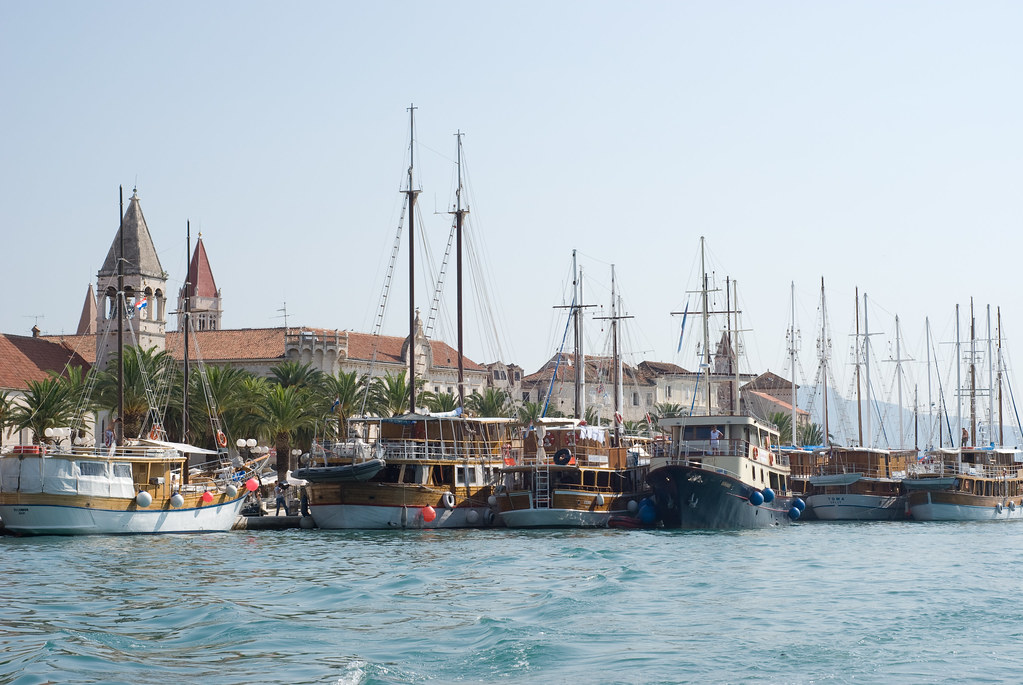
Trogir is 30 minutes from Split airport and slightly more pleasant as a starting point. The old town is UNESCO-listed and genuinely pretty in a way that Split’s more sprawling marina area is not. Marina Trogir and ACI Trogir both handle charter fleets.
Dubrovnik is the premium starting point for anyone doing the route southbound from Split. ACI Marina Dubrovnik is well-equipped but more expensive than northern bases, both for marina fees and for the boats themselves. Best for one-way arrivals or groups specifically wanting to spend time in Dubrovnik.
Zadar is the most underrated base in Croatia. Less crowded than Split, with direct flights from London, Amsterdam, and other northern European cities. It’s the best starting point for anyone doing the Kornati circuit.
Šibenik works well as a base if Kornati National Park is your main destination and you want to save a day of sailing compared to starting from Zadar.
Getting to Croatia for your charter
The main gateway is Split Airport, which has direct flights from most European cities throughout the summer season. It’s about 25 minutes by taxi or transfer to the Split marinas and 30 minutes to Trogir.
For Zadar-based charters, Zadar Airport (not listed, but small and functional) handles budget airlines from the UK and northern Europe. Alternatively, fly into Split and take a bus.
Zagreb Airport is Croatia’s main international hub with more year-round connections, but it’s about 4.5 hours by bus or car from Split, so it only makes sense if you’re arriving outside peak season when direct Dalmatian flights are limited. Pula Airport is relevant only if you’re chartering in Istria.
The single most practical piece of advice: arrive the evening before your charter start date. Every experienced charter sailor does this. It gives you time to provision, meet your skipper, understand the boat’s systems, and not be rushing to cast off at 9am on an empty stomach after a delayed flight.
Most charter bases have accommodation nearby ranging from €50/night guest houses to hotels. Your charter company can usually recommend somewhere close to the marina.
Find charter yachts in Croatia
Searadar searches across the major charter platforms so you can compare real-time availability and prices in one place, without filling in separate forms on five different websites.
Find Your Perfect Charter
Compare yachts, catamarans and prices from top charter companies in one search.
Powered by Searadar · No booking fees
Croatia books out fast, especially for July and August. If you have specific dates in mind, searching 4-6 months ahead is realistic for peak season. September and May bookings can often be found with 6-8 weeks’ notice, but the best boats go earlier.
Frequently asked questions
How much does a yacht charter in Croatia cost per person?
It depends heavily on group size and season. A monohull 40ft boat in September at €2,500/week split between 6 people works out to around €415/person for the boat alone. Add skipper costs (€1,400-1,600 for the week split 6 ways), APA for fuel and marina fees (roughly €600-900 split 6 ways), and provisioning, and you’re looking at €700-900/person for a week on the boat. Flights and drinks ashore are on top. A catamaran in peak July for the same group would be closer to €1,500-2,000/person for all boat-related costs.
Is sailing experience required for a charter in Croatia?
Not if you book a skippered charter or a cabin charter. A professional skipper handles all the sailing and navigation. You just enjoy the trip. If you want to sail bareboat (without a skipper), Croatian regulations require an ICC or equivalent national license, and charter companies will want to see relevant logged experience, typically 1,000+ nautical miles.
Is Croatia better than Greece for sailing?
It depends what you want. Croatia has shorter inter-island passages (5-20nm versus sometimes 40-60nm in the Greek islands), better marina infrastructure, and cleaner, calmer water in the channels. Greece tends to have stronger, more consistent winds (the Meltemi in summer), a wider geographic spread of destinations, and lower costs in the shoulder and off-seasons. For a first sailing holiday in the Mediterranean, Croatia is generally the better choice because the sailing is more manageable and the infrastructure more reliable.
What’s the difference between a monohull and a catamaran for Croatia?
A monohull is cheaper, more maneuverable in tight marinas, and gives you a more traditional sailing experience with some heel when under sail. A catamaran is wider, more stable at anchor (no rocking), has more deck space and more separation between cabins, and is significantly easier for non-sailors to feel comfortable on. In Croatia, catamarans work very well because many passages are short and the flat-water channels suit them. Choose a catamaran for large groups, families with children, or anyone who prioritises comfort. Choose a monohull if you’re primarily there to sail.
When is the cheapest time to charter in Croatia?
The cheapest weeks are in the low season (November to April), but most people don’t want to charter then. The most affordable time that’s still genuinely good is early May or mid-to-late October. You’ll pay shoulder rates (30-40% less than July-August), find the islands quiet, and still get reliable sailing weather. Late September also hits this sweet spot once the main August exodus has cleared.
Best timing to book a Croatia charter in advance?
For July and August, book 4-6 months ahead minimum. Popular boats on the Split-Dubrovnik route sell out by January for peak weeks. For September, 2-4 months is usually enough to get good availability. May and October can sometimes be booked with just a few weeks’ notice, but you won’t have the same selection of boats. If you have a specific skipper, a specific route, or a specific boat type in mind, earlier is always better.