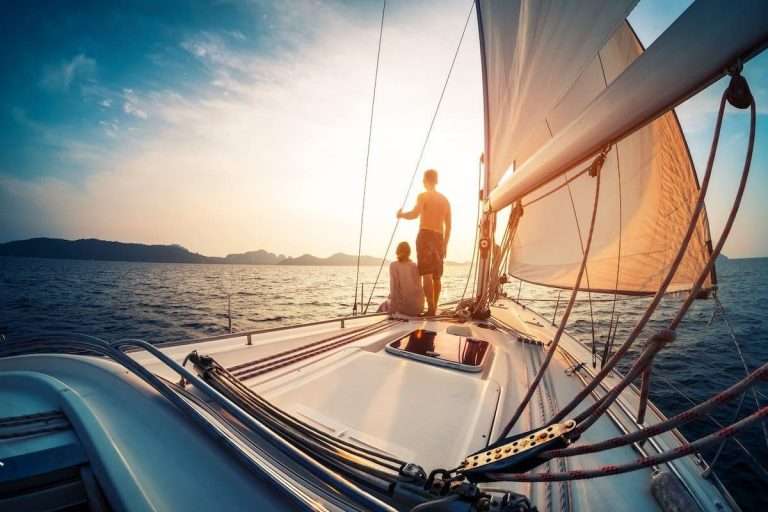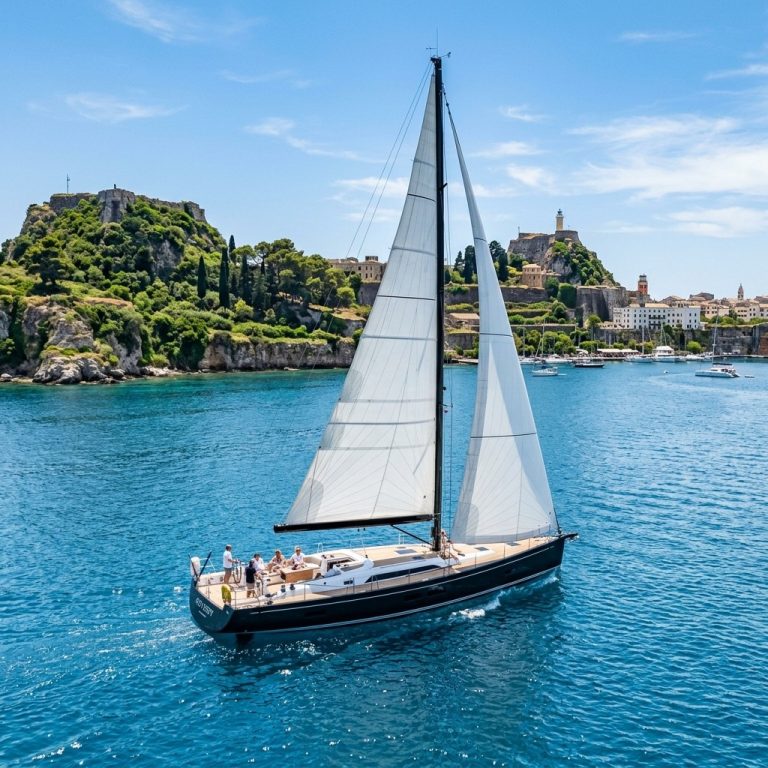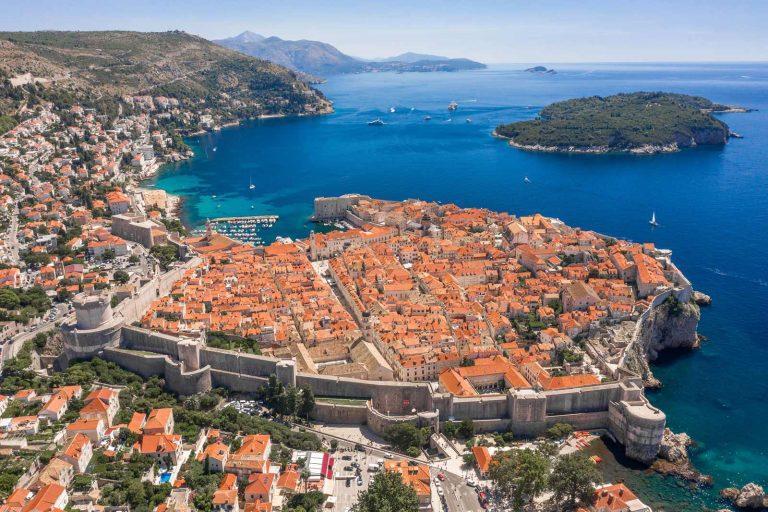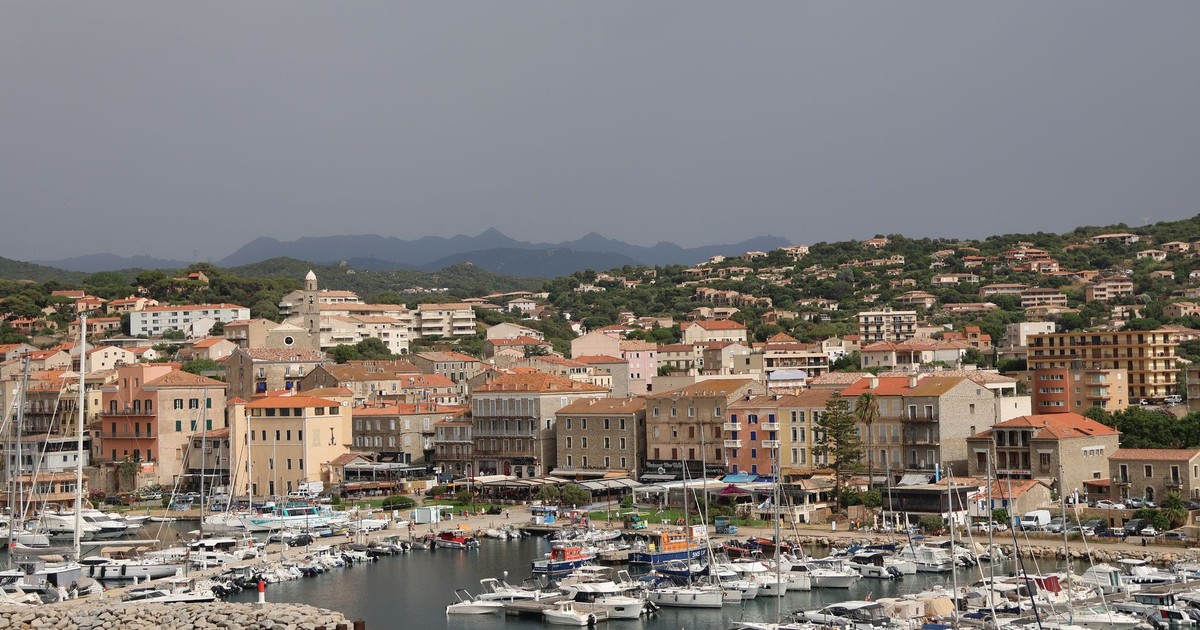
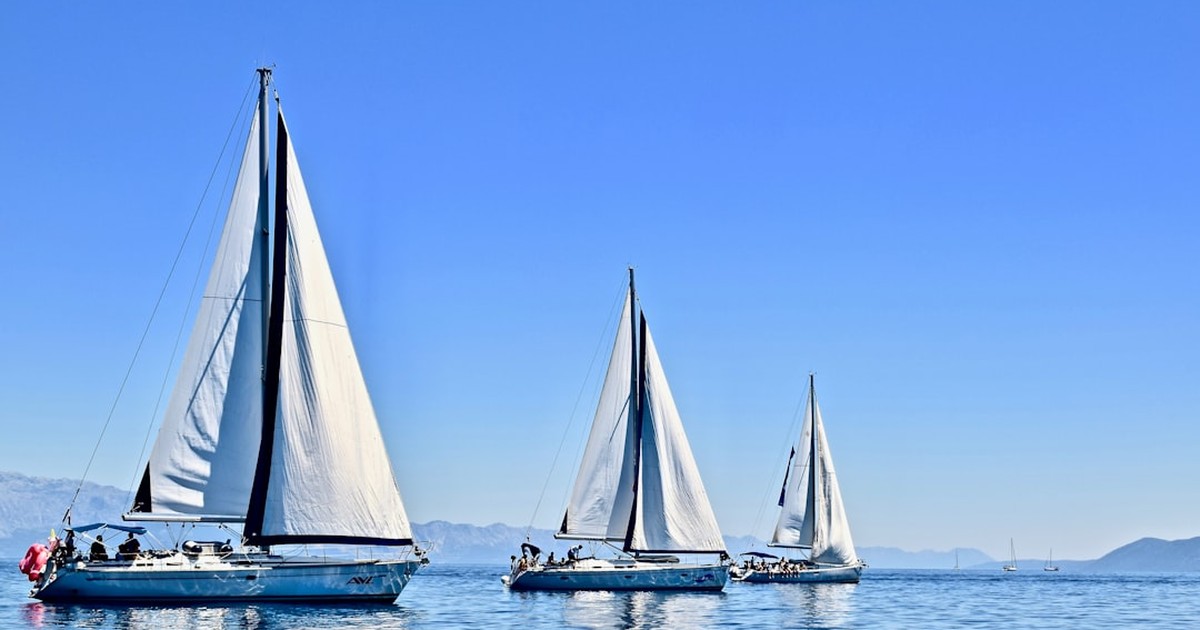
For anyone planning a corsica sailing itinerary, anchoring off Campomoro on the second night is a memorable experience. A Genoese watchtower stands on the headland above you, lit orange by the last of the sun. The water is clear enough to see the sandy bottom in 6 metres. There is no marina, no bar, no other noise except the rigging. This is what sailing Corsica is actually like when it works.
This Corsica sailing itinerary covers 180nm over seven days, from Ajaccio on the west coast down to Bonifacio in the south. It takes in the best of the island: dramatic limestone cliffs, protected nature reserve anchorages, and the extraordinary approach into Bonifacio harbour. It also includes the east coast return for those who want a loop. The route is intermediate to advanced in difficulty. The Tramontane and Mistral are real, and you need to plan around them.
Here is what you need to know before you set off.
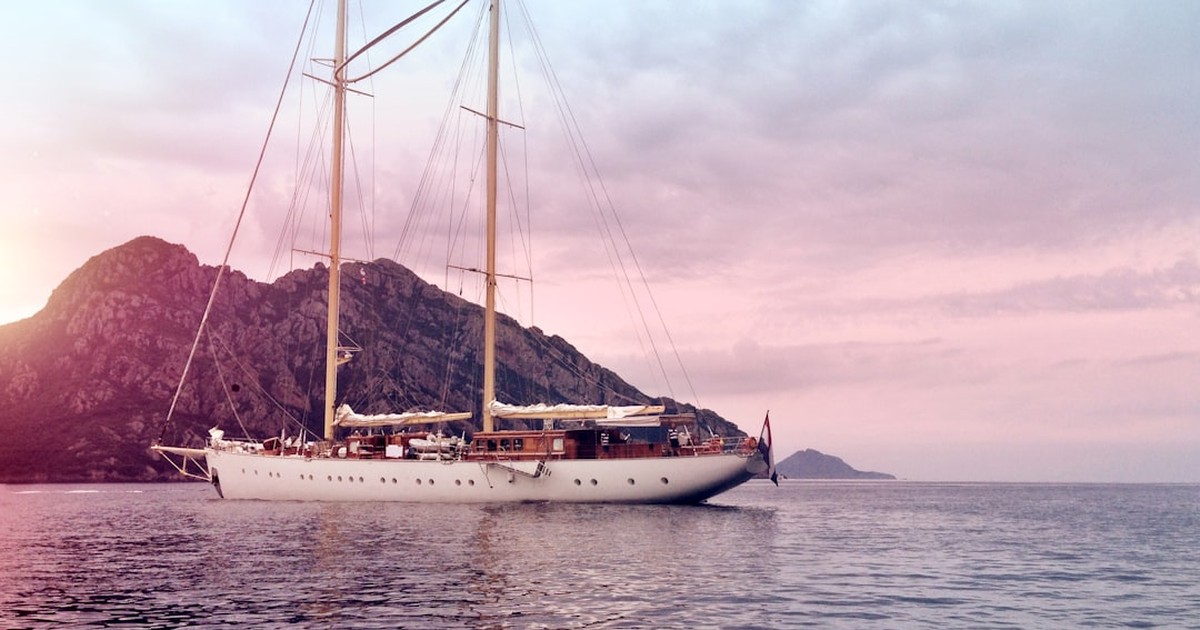
Why sail Corsica
Corsica sits in the northern Mediterranean about 180km south of the French Riviera, and it punches well above its weight as a sailing destination. The west coast is exceptional: deep inlets, granite headlands, Genoese towers on every promontory, and water that genuinely competes with the Caribbean for clarity. The south has the Lavezzi Islands, a protected nature reserve with mooring buoys and snorkelling over granite boulders. Bonifacio alone justifies the trip.
The wind situation is interesting. In summer, you get reliable thermal winds in the afternoon, typically from the northwest. Morning passages are often calm, which suits lazy starts. The Tramontane funnels through certain bays with more force than the open sea forecast suggests. The Mistral is the wildcard. When it blows, it blows hard (30-40 knots is normal), and it can shut down all passages for three to five days.
Corsica suits experienced sailors who want proper sailing rather than a marina-hopping holiday. Families work well on a catamaran with a skipper. Couples on a 38-42ft monohull can handle it bareboat if they have done some miles and know how to read a French weather forecast.
The honest caveat: July and August are very busy. Anchorages that look lonely on a chart are ringed with boats by 14:00. Marina prices are among the highest in the Mediterranean, and Bonifacio in peak season requires booking weeks ahead.
Best time for this itinerary
May is underused and genuinely good. Air temperatures are mild, marinas are quiet, and prices are at their lowest. The water is cooler (around 18-20°C) but snorkelling is still fine. Wind can be unpredictable but the Mistral is less frequent than June.

June is the sweet spot. Warm enough for swimming, marinas filling but not full, anchorages still manageable. The Tramontane gives reliable afternoon sailing on west-coast legs. Prices start to rise from mid-June.
July and August are peak French school holiday season. Every anchorage on the west coast will have 20-50 boats by afternoon. Bonifacio marina requires booking six to eight weeks ahead. Prices for a 40ft monohull jump to €2,200-4,000/week bareboat. If this is your only window, a catamaran with a local skipper is worth considering just for the anchorage selection knowledge.
September is the best month for most people. The sea temperature peaks at 24-26°C in August and stays warm through September. Crowds thin noticeably after the first week. Wind patterns are stable. Prices drop to shoulder rates. The scenery looks better too, the summer fires having burned off, the light turning golden.
October is for experienced sailors only. Mistral frequency increases. Many smaller marinas reduce services. But the sailing itself can be spectacular, and you will have anchorages entirely to yourself.
Off-season (November to April) is possible on a crewed yacht but most charter companies withdraw their fleets or lay up boats for maintenance. Not recommended unless you have specific experience of winter Mediterranean sailing.
7-day Corsica sailing itinerary
Overview: 180nm total, starting and ending in Ajaccio, or ending in Bastia for a partial circumnavigation. The route runs south down the west coast, rounds the southern tip to Bonifacio, then returns north up the east coast. Difficulty is intermediate to advanced. You need 1,000nm minimum experience and ideally some exposure to strong wind conditions.
Day 1: Ajaccio to Propriano (30nm)
Ajaccio is Napoleon’s birthplace and worth an hour ashore before you leave. The old town is compact and the covered market near the port sells everything you need for provisioning. Stock up here rather than waiting for Bonifacio, where tourist pricing applies to everything.
The Gulf of Ajaccio is well-sheltered and forgiving for the first day of a charter. You will likely leave the marina with light morning winds and pick up a northwest thermal in the afternoon. The 30nm to Propriano is a comfortable first leg, around four to five hours in decent conditions.
Propriano marina is a proper facility with fuel, water, and shore power. Marina fees run around €50-90/night for a 40ft boat. The town has a good supermarket within walking distance of the pontoons and several restaurants on the waterfront. Try Aux Maquisards on the waterfront for Corsican charcuterie and grilled fish. It is not the most spectacular stop on the route, but it is a reliable first night.
Tip: If you arrive early, push on a further 8nm to Campomoro and anchor there for the night. You will be glad you did.
Day 2: Propriano to Campomoro (20nm)
This is the day the trip starts to feel different from anywhere else in the Mediterranean. Campomoro is one of the finest anchorages on the west coast: a wide bay backed by a sandy beach, a 16th-century Genoese tower on the headland above, and water clear enough to see the anchor sitting on the sand 6 metres below.
The passage from Propriano is short (around two hours) and usually pleasant. Anchor in 4-8m over sand. There are no marina facilities, no shops, no showers ashore. Bring everything you need. If you want to spend the afternoon at Tizzano instead, it is a few miles further and slightly more sheltered in southwest wind.
The Tramontane can funnel into Campomoro with more force than the open-sea forecast suggests. Check Meteo France before you commit to anchoring bow-to-shore. If the forecast shows 20+ knots from the northwest, a stern anchor or buoy is sensible. Snorkelling around the base of the tower headland is excellent in calm conditions.
Day 3: Campomoro to Bonifacio (35nm)
The longest west coast leg and the most exposed. You are rounding the southwest tip of Corsica and passing through the northern approaches to the Strait. Time your departure to arrive at Bonifacio in the afternoon, not too late, as the harbour can be confusing at dusk on first approach.
The approach itself is the reward. White limestone cliffs rising 70m, the medieval citadel of Bonifacio sitting on top of the rock, the harbour entrance invisible until you are almost inside it. The long inlet opens up to reveal a busy harbour lined with restaurants, the old town above on the cliff. It is one of the great Mediterranean harbour approaches.
The Strait of Bonifacio (Bouches de Bonifacio) between Corsica and Sardinia carries currents up to 4 knots and can produce short steep swell in northwest wind. You are not crossing the strait today, just approaching from the west, but respect the sea state at the headlands. If the forecast shows north wind above 15 knots, the approach gets uncomfortable.
Berth in the main harbour below the citadel. Marina fees in July-August run €80-160/night for a 40ft boat. Book ahead, particularly in peak season. The old town above the cliffs requires a steep climb but is worth the effort. Eat at Cantina Doria in the upper town for Corsican cuisine without the harbour tourist markup.
Day 4: Day trip to the Lavezzi Islands (20nm round trip)
Do not rush the Bonifacio departure. Spend a morning in the old town: the narrow streets of the citadel, the Escalier du Roi d’Aragon cut into the cliff face, the views south toward Sardinia.
In the afternoon, motor or sail 8nm south to the Lavezzi Islands. These are granite islets, polished smooth by the sea, sitting in the protected nature reserve between Corsica and Sardinia. The water is extraordinary. Mooring buoys are available at €12-18/day and you must use them: anchoring over posidonia seagrass is prohibited and wardens patrol the area.
The temptation to keep going to Porto Cervo in Sardinia (20nm from Bonifacio) is real. You can do it in a morning. But crossing into Italian waters means an official entry/exit, and if you are on a French charter company’s insurance, check whether the policy covers Italian territorial waters before you go. Many do, but confirm first.
Return to Bonifacio for a second night. Having two nights here is not wasted.
Day 5: Bonifacio to Porto-Vecchio (22nm)
The Gulf of Porto-Vecchio is enormous: a 10nm-long inlet with multiple anchorages tucked into its shores. The passage from Bonifacio is pleasant, the east coast flatter and less dramatic than the west, but the water colour is still excellent and the crowds thinner in the outer bays.
Cala Rossa, Pinarello, and San Ciprianu are all worth considering. In July and August, anchor in one of the outer bays rather than pushing to the town marina, which is 5km up the inlet and surrounded by crowds. The outer anchorages have better holding and much better scenery.
The town of Porto-Vecchio itself is worth a visit for the market and provisioning. Take the dinghy up the inlet or anchor closer in and hire a taxi. Top up food and water here, as Solenzara (tomorrow’s stop) has less choice.
Day 6: Porto-Vecchio to Solenzara (25nm)
The east coast stretch is the least dramatic section of this itinerary. The coastline is flatter, sandier, more Languedoc than west-coast Corsica. But it is more sheltered, passage-making is easier, and the afternoon thermal wind from the northwest makes for a fast reach north.
Solenzara has a proper marina with fuel, water, and a reasonable provisioning stop. It is not a tourist town in the way Bonifacio is, which is either a downside or a relief depending on your mood by day six. There is a decent supermarket near the marina and a handful of restaurants. Marina fees are lower than anywhere on the south coast.
Favone, a few miles short of Solenzara, is a small quiet bay if you want to anchor rather than take a berth. Better choice on a calm night.
Tip: Check your fuel levels here. The passage back to Ajaccio the next day is long and may involve motoring in light wind.
Day 7: Solenzara to Ajaccio (70nm) or Bastia (45nm)
This is the decision day. Ajaccio is 70nm from Solenzara: a full day’s sail, possible but long. An early start (06:00-07:00) gives you time to arrive before dark. The route goes offshore, around the southern tip, and back up the west coast. If the Mistral is anywhere near the forecast, do not attempt this passage.
The better option for many crews is a one-way charter. Leave the boat in Bastia (45nm north up the east coast) and fly from Bastia Poretta airport. Bastia has ferry connections to the French mainland and more flight options than you might expect. One-way delivery fees apply (ask your charter company at booking), but they are often reasonable against the cost of a difficult final passage.
If you are flying from the mainland via Marseille, look at connecting through Marseille Provence Airport which has direct services to both Ajaccio and Bastia.
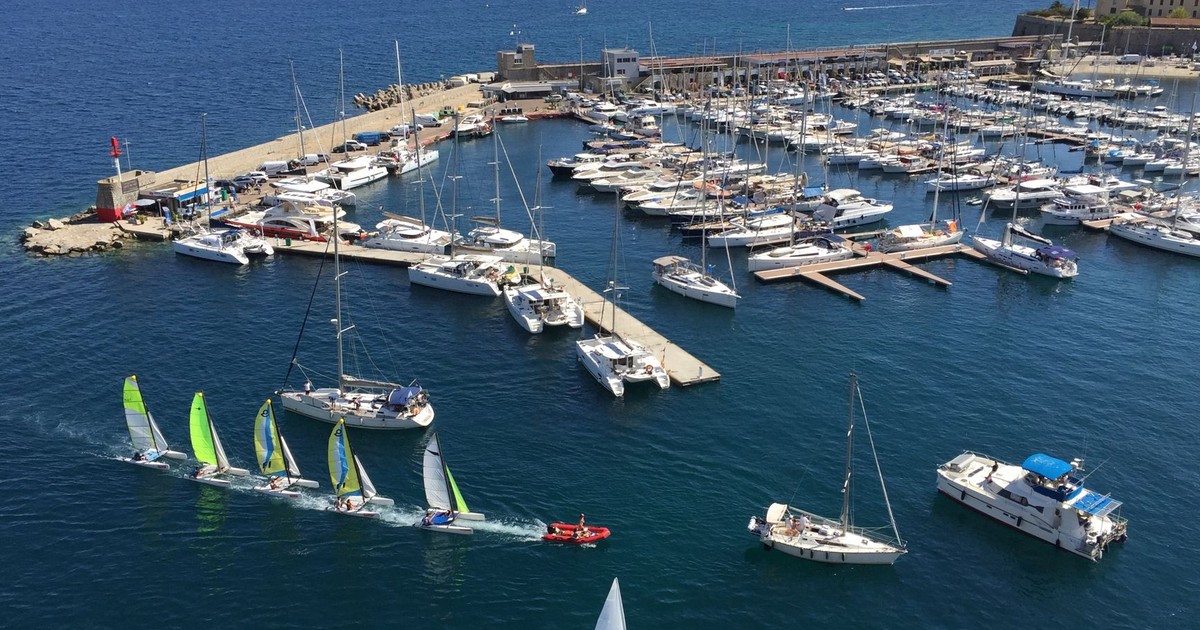
What boat to charter for this route
Monohull or catamaran?
A monohull (36-42ft) is the right choice for sailors who want to actually sail this route. The west coast passages are made for beating to windward or broad reaching in the Tramontane. Monohulls handle the confused sea state in the Bonifacio approaches better than catamarans. Bareboat prices for a 38-42ft monohull run €1,200-2,200/week in shoulder season and €2,200-4,000/week in July-August.
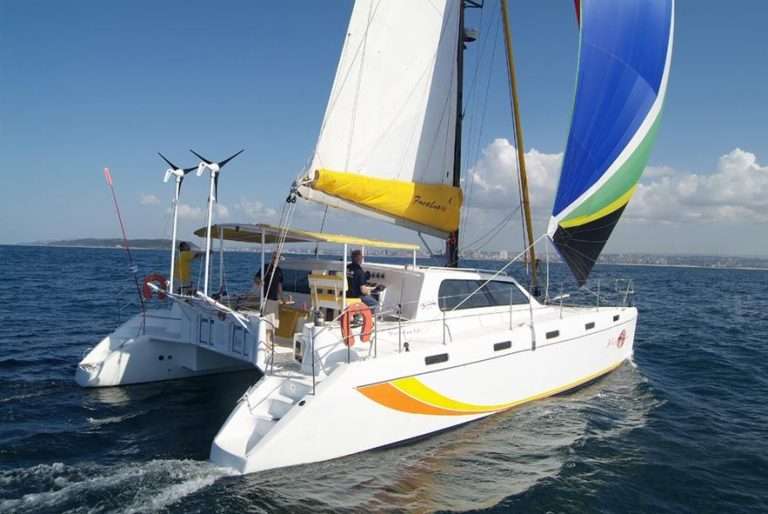
A catamaran (42ft) makes sense if you have a larger group (six to eight people), want the deck space and comfort, or plan to anchor out more than use marinas. Catamarans sit at anchor more comfortably in swell. They are harder to manoeuvre in tight marinas like Bonifacio in a crosswind, and fuel costs are higher. Prices run €3,000-5,000/week in shoulder season, €5,000-8,500/week in peak.
Bareboat vs skippered:
Bareboat requires an ICC or French permis côtier. French charter companies check licenses carefully and will ask for a sailing resume. With 1,000nm and some strong-wind experience, you will be fine.
A skippered charter (€180-230/day, plus APA 20-25% on top of charter fee) is worth it for first-time visitors. Local knowledge of the Tramontane’s behaviour in specific anchorages, the currents in the Bonifacio Strait, and which anchorages will be crowded at what time of day is genuinely valuable. For families with children, or for anyone who wants to relax rather than plan, hire a skipper for at least the first visit.
Cabin charters are available through some operators for those who want to share costs or sail solo. Quality varies. If you go this route, check the boat specification and skipper credentials carefully before booking.
Practical tips before you go
Provisioning: Stock up at Ajaccio at the start. There are large supermarkets within taxi distance of the marina. Propriano has reasonable supplies. Bonifacio has everything, but at tourist prices. Campomoro has nothing. Carrying food and water for two full days at anchor (days 2-3) is the minimum you should plan for.
Fuel: Diesel costs €1.75-2.00/litre at Corsican marinas. Fuel docks are at Ajaccio and Bonifacio; Solenzara also has fuel. Budget for more motoring than you expect, particularly if the Mistral pins you down and you need to motor around exposed headlands in lumpy conditions.
Anchoring rules: Corsica enforces environmental protection seriously. No anchoring over posidonia seagrass. Use mooring buoys where provided (Lavezzi Islands, some bays on the south coast). Fines are real. Check the anchor position on the chart plotter before setting.
Weather: Download the Meteo France app before you leave. Update the forecast every morning. Corsican weather can change within hours, and the difference between a pleasant 15-knot reach and a Mistral day is often visible 24 hours ahead.
Documents: You need your ICC or French license, boat papers, insurance certificate, and passports. If you go to Sardinia even for a day trip, you need to complete Italian customs entry.
Budget (rough daily estimate):
| Item | Cost |
|---|---|
| Marina berth (40ft) | €50-160/night |
| Fuel per day (motoring) | €30-60 |
| Provisioning (crew of 4) | €40-80 |
| Mooring buoys | €12-18 |
| Restaurants ashore | €60-120 |
Find charter yachts for this itinerary
Searadar searches across the top charter platforms so you can compare real availability and prices in one place. Rather than checking five different sites for a Corsica yacht, one search gives you monohulls and catamarans from multiple operators across all bases.
Search charter yachts for Corsica on Searadar
Find Your Perfect Charter
Compare yachts, catamarans and prices from top charter companies in one search.
Powered by Searadar · No booking fees
Book early for June and September: the best boats at the best prices go six to nine months ahead.
Frequently asked questions
Do I need sailing experience for a Corsica charter?
Yes. This is rated intermediate to advanced. The Tramontane and Mistral can produce 30-40 knot conditions with little notice. 1,000nm minimum is the standard requirement for bareboat, and French charter companies will ask for your logbook. If you are below that threshold, book a skippered charter.
Can I do this itinerary in reverse, starting from Bonifacio?
You can, and some charter companies offer this with a one-way pickup in Ajaccio. The main difference is that you tackle the longest exposed passages at the start of the trip rather than the end, which suits some crews better. Bonifacio is also easier to fly into via connections from the French mainland. Check one-way delivery fees when you book.
What is the best month to sail this route?
September. The sea temperature is at its highest (24-26°C), the anchorages are far less crowded than July-August, prices drop to shoulder rates, and the Mistral is less frequent than in spring. June is a close second if you book early and want slightly lower prices.
What if the wind fails and requires motoring?
Corsican summer mornings are often calm, and you will motor for the first hour or two of most passages before the thermal wind fills in. Budget 20-30 litres of diesel per day. Fuel is available at Ajaccio, Bonifacio, and Solenzara. The east coast return from Porto-Vecchio to Solenzara and onward is the most likely section to require sustained motoring.
What does a week on this route cost in total?
A rough estimate for four people in September on a bareboat 40ft monohull: charter fee €1,800/week (shoulder), APA 20-25% (€360-450), marina fees across the week €400-600, fuel €200-250, food and restaurants €600-800. Total per boat: roughly €3,400-4,100 for the week, or €850-1,025 per person for four. July-August adds €800-1,200 to the charter fee alone.