The best time for a yacht charter in Croatia is June or September, when you'll enjoy warm weather, pleasant sea temperatures, steady winds, and fewer crowds compared to peak summer. These shoulder months offer the ideal balance of sailing conditions, marina availability, and overall experience.
When to charter a yacht in Croatia depends on your priorities. The shoulder season stretches from May through October, with each month presenting distinct trade-offs between weather, cost, and crowd levels. Peak summer brings reliable winds but congested harbors and premium pricing. The off-season from November to April suits only experienced sailors willing to gamble on unpredictable conditions. This guide breaks down what to expect month by month, so you can match your sailing experience, budget, and flexibility to the right window for your Adriatic voyage.
Shoulder season advantages: why charter in may, june, september, or october?
The shoulder months of May, June, September, and October represent the ideal time for croatia yachting holiday planners who prioritize manageable crowds and lower costs over peak summer congestion. Temperatures hover between 22°C and 27°C, warm enough for swimming yet comfortable for hiking and sightseeing without oppressive heat.
A shoulder season croatia yacht charter typically costs 20 to 30 percent less than peak season equivalents. Mooring fees drop significantly, and last-minute berth availability improves dramatically in popular spots like Hvar and Korčula.
May and June offer calm morning conditions ideal for novice sailors, though some beach clubs and island restaurants may still be preparing for the summer rush.
September and October present the opposite arc. The Adriatic Sea reaches its warmest temperatures in early September after absorbing summer heat. Grape harvests begin in island vineyards, and the light softens for photography, though October carries increasing risk of afternoon thunderstorms and early seasonal closures.
Activities like cycling the Vis hills or exploring Dubrovnik's walls return to comfortable territory outside peak heat.
Peak summer yachting: July vs. August compared
| Feature | July | August |
|---|---|---|
| Weather | Hot, Sunny | Hot, Sunny |
| Crowds | High | Highest |
| Prices | High | Highest |
| Major Events | Festivals, Regattas | Festivals, Parties |
July and August are the hottest months for yachting in Croatia, with air temperatures regularly hitting 30-35°C and sea temperatures peaking at 25-27°C. Conditions are reliably sunny with steady afternoon breezes of 10-20 knots, ideal for sailing but demanding for crew stamina.
Crowds in Croatia reach their maximum during this period. Marinas in Split, Hvar, and Dubrovnik operate at full capacity, and same-day berthing becomes nearly impossible. Daily mooring fees climb 40-60% above shoulder-season rates, and advance reservations for both berths and restaurants are essential.
July offers marginally less congestion than August, when European holiday schedules converge. August also brings higher humidity and more frequent afternoon thermal storms in the northern Adriatic.
If fixed summer dates are unavoidable, book six months ahead and budget 30-50% more for the charter base rate compared to June or September.
Off-Season Yacht Charter in Croatia: Is It Worth It?
November through April brings air temperatures of 8-15°C and unpredictable Adriatic Sea weather, with frequent storms, strong bora winds, and rough seas. Most charter companies close entirely from December to March. The few operators running winter bareboat charters require advanced sailing qualifications and restrict itineraries to sheltered waters.
The main appeal is cost. Off-season yacht charter Croatia rates drop 50-70% below peak prices, and you will have anchorages entirely to yourself. Some sailors charter motor yachts for island-hopping without swimming, focusing instead on wineries, truffle hunting in Istria, or deserted historical sites.
Practical limitations are severe. Marinas reduce staffing, many restaurants shut completely, and provisioning requires advance planning. Mechanical failures become critical when assistance is hours away in cold conditions.
How weather, sea temperature, and winds affect your yachting experience
Croatia's Mediterranean climate brings hot, dry summers and mild, wet winters, creating distinct seasonal windows for yachting. Conditions shift from calm shoulder seasons to intense summer heat, with water temperature Croatia peaking at 25-27°C and sailing conditions Croatia ranging from gentle afternoon breezes to dangerous bora gusts exceeding 40 knots.
The Mediterranean climate delivers over 2,500 annual sunshine hours concentrated between May and September. Rainfall is minimal during summer months, though brief thunderstorms can occur in late August and early September.
Sailing conditions Croatia depend heavily on three dominant winds. The bora is a dry, cold northeasterly that descends from the mountains, often striking without warning. It creates hazardous sea states with gusts exceeding 40 knots, particularly in the Velebit Channel. The jugo brings humid southeasterly conditions and steady waves. The mistral provides predictable northwest afternoon breezes of 10-20 knots ideal for sailing.
Sea temperatures remain comfortable for swimming from June through October, ranging from 22°C to 27°C. July and August offer the warmest conditions for water sports, though the blazing 30-35°C air temperatures can make midday activities exhausting without shade. May and October see water temperatures drop to 18-20°C, requiring wetsuits for extended swimming but remaining viable for short dips.
Choosing the Right Yacht and Charter Type for the Season
Sailing yachts suit experienced skippers during shoulder months when mistral winds provide reliable afternoon breezes without peak season congestion. Catamarans offer stability for families in July and August when anchorages are crowded and roll is uncomfortable. Motor yachts work best in May or October when fuel costs drop and distances between quiet islands require speed.
Bareboat charters demand strong sailing resumes during shoulder months when unpredictable bora or jugo systems can arrive suddenly. Crewed options eliminate navigation stress in August when marina traffic peaks and mooring requires local knowledge.
Large groups booking catamarans should target June or September when prices are 20-30% lower than July yet temperatures remain ideal for swimming. Couples on sailing yachts gain flexibility in October when last-minute bareboat deals appear, though provisioning requires more planning as stores close.
Sample Itineraries and Must-See Destinations by Season
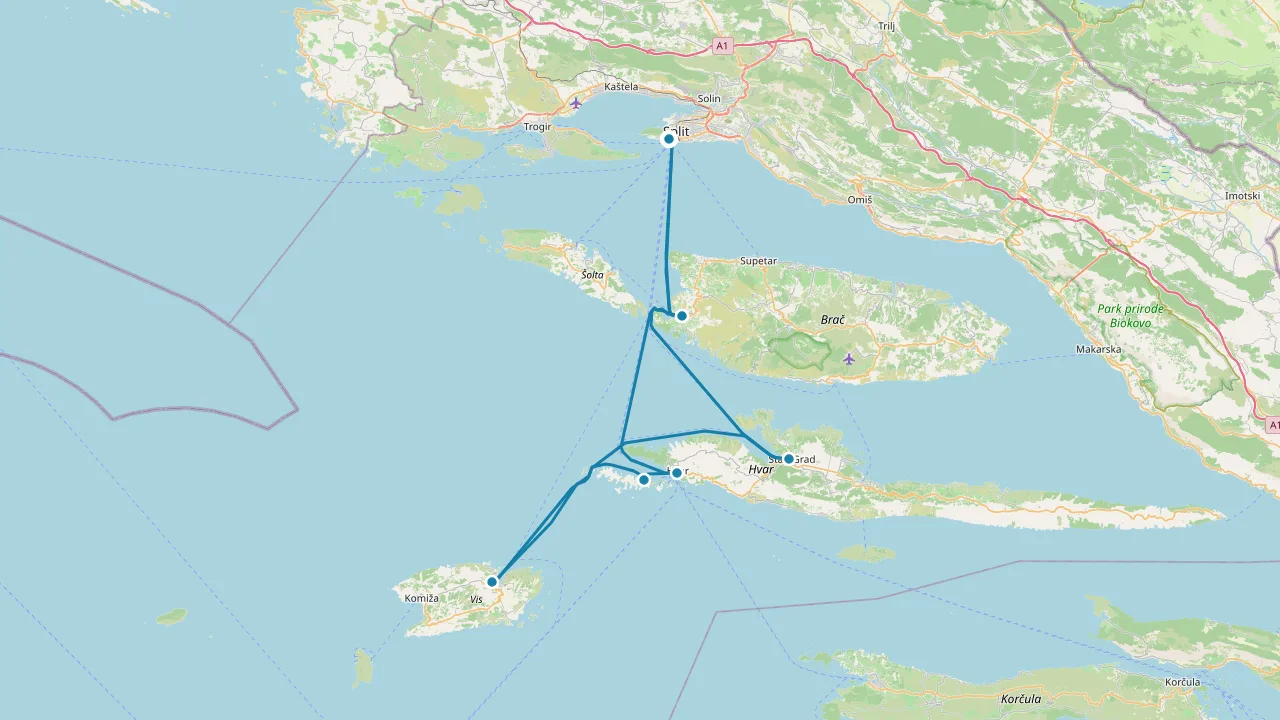
Spring croatia sailing routes favor the northern Adriatic. Start in Istria and sail south through Kvarner Bay, stopping at the Brijuni Islands before the summer rush. The Dalmatian coast attractions are quieter in May; anchor in Vis town before yacht week crowds arrive, then explore the Blue Cave on Biševo with minimal queuing.
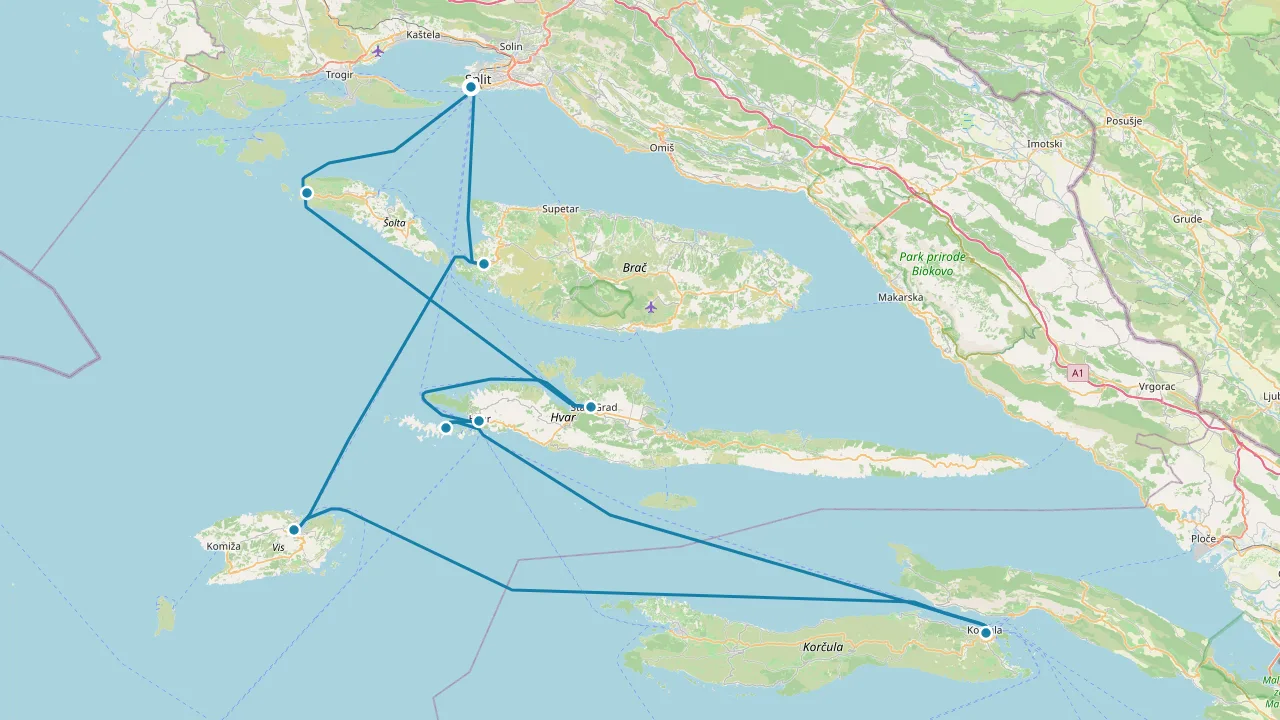
Summer demands strategic planning. Route from Split to Dubrovnik via the Pakleni Islands and Korčula, but book ACI marina berths two months ahead. The most rewarding croatian islands to visit under sail are the outer reaches: Lastovo, with its nature park, or Mljet, where the National Park lakes stay swimmable until late September.
Autumn shifts focus back to croatia national parks. September offers ideal conditions for the Kornati archipelago, with 140 islands and minimal charter traffic. October sailors should keep itineraries flexible and stay within reach of Zadar or Šibenik for weather contingency.
Frequently Asked Questions
What is the best month to charter a yacht in Croatia?
June and September are widely considered the ideal months for yacht charters in Croatia. These periods combine warm weather, pleasant sea temperatures, and steady winds with significantly fewer crowds than the peak summer months. You will find better availability in marinas and more reasonable charter rates compared to July and August.
Is July or August better for a yacht charter in Croatia?
July typically sees slightly smaller crowds than August, though both months constitute peak season with high prices and extremely strong demand. August brings hotter temperatures and lively local festivals, yet marinas and anchorages reach their maximum capacity during this period, making early reservations absolutely essential.
When is the shoulder season for yacht charters in Croatia?
The shoulder season spans May through June and September through October. These windows deliver milder weather, significantly reduced crowds, and better value compared to the peak summer months. Sailors enjoy more peaceful anchorages and lower charter rates while still experiencing favorable conditions for cruising.
What are the advantages of chartering a yacht in Croatia during spring?
Spring charters from May through early June offer blooming landscapes, lower prices, and peaceful marinas with minimal competition for berths. The weather remains mild and pleasant for daytime sailing. However, the sea temperature may still be too cool for comfortable swimming without protective gear during this period.
What is the weather like for sailing in Croatia in September?
September provides ideal conditions with air temperatures of 24-28°C and sea temperatures of 22-24°C. The month features reliable winds and less precipitation than October. These stable conditions create perfect circumstances for comfortable sailing and swimming without the intense heat or crowding of midsummer.
How busy are the Croatian islands during peak yachting season?
July and August bring maximum capacity to Croatian islands, featuring crowded marinas, fully booked restaurants, and lively nightlife throughout the Adriatic. The demand for berths reaches its absolute peak during these months. You must book several months in advance to secure moorings and preferred itineraries on popular routes.
Are there downsides to chartering a yacht in Croatia during the off-season?
Off-season charters from November through April bring cooler temperatures, unpredictable wind patterns, and limited marina services with reduced staffing. Many tourist facilities close during this period. However, the off-season rewards adventurous sailors with solitude, significantly lower costs, and a unique perspective on the Adriatic coastline.
How much does it cost to charter a yacht in Croatia for a week?
Weekly charter costs range from €1,000 for small sailboats during low season to over €10,000 for luxury yachts in high season. Pricing depends heavily on vessel type, seasonality, and whether you choose bareboat or crewed options. Additional expenses include fuel, mooring fees, and provisions.
What are the dates for Yacht Week in Croatia?
Yacht Week Croatia typically operates from late May through mid-September, with peak events concentrated in July and August. Exact dates vary annually based on the organizer's schedule. You should consult the official Yacht Week website for specific dates before planning your charter around these events.
Explore next
Destination guide
Croatia
Croatia's Adriatic coast is a sailor's playground of islands, hidden bays, and historic ports. Choose your base and set sail.