Montenegro vs Greece Yacht Charter: Full Comparison
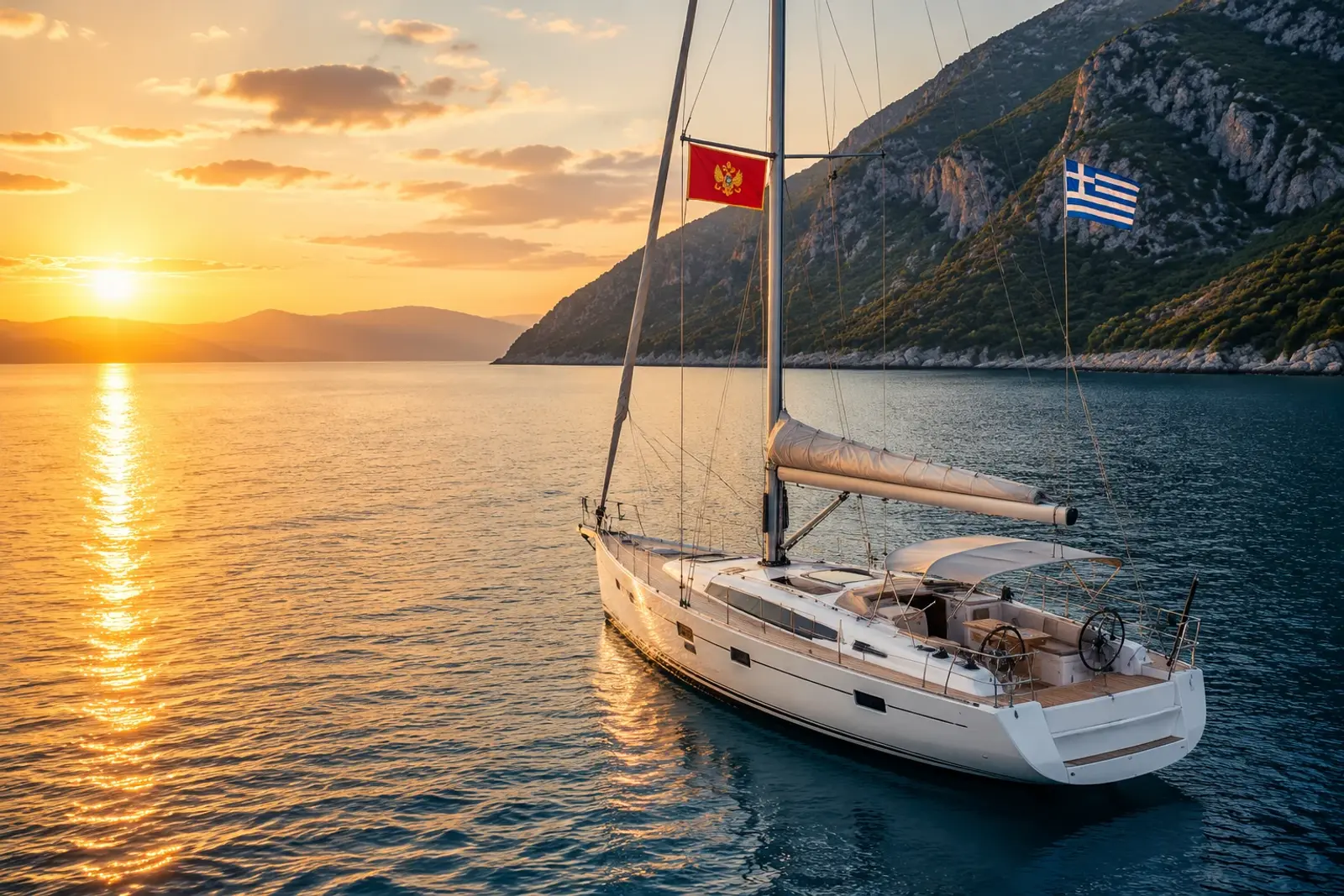
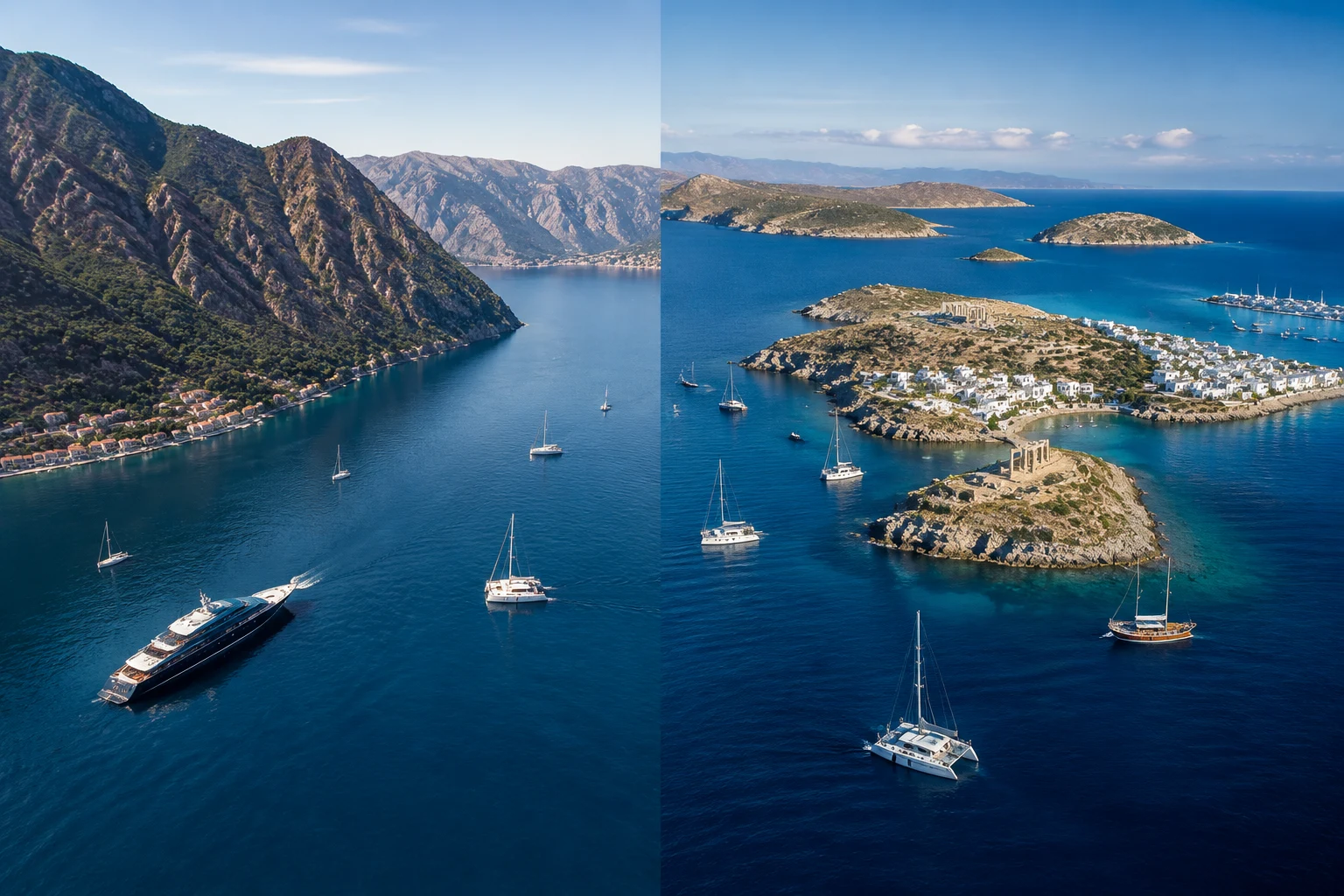
Montenegro yacht charters offer dramatic fjord-like coastlines, shorter routes, and luxury marinas, while Greece delivers extensive island-hopping, diverse sailing conditions, and cultural variety. Montenegro is typically less crowded and more cost-effective, but Greece provides more itinerary options. When weighing a montenegro vs greece yacht charter, the choice comes down to whether you prioritize intimacy and modern luxury or variety and tradition. This comparison breaks down the key differences to help you decide where to drop anchor this season.
Montenegro vs Greece Yacht Charter: Key Differences at a Glance
| Feature | Montenegro | Greece |
|---|---|---|
| Geography | 293 km Adriatic coastline, Bay of Kotor | 13,000+ km Aegean/Ionian coastline, thousands of islands |
| Main Sailing Areas | Bay of Kotor, Budva, Sveti Stefan | Cyclades, Ionian Islands, Dodecanese, Sporades, Saronic Gulf |
| Popular Routes | Porto Montenegro to Budva, Kotor, Sveti Stefan | Varies by region (e.g., Cyclades island hopping) |
| Typical Charter Duration | 3-7 days | 7+ days (often longer to explore regions) |
| Marina Quality | Fewer, high-quality (e.g., Porto Montenegro) | Hundreds, quality varies (rustic to cosmopolitan) |
| Crowd Levels | Quieter, even in peak season | Can be congested in peak season (e.g., Santorini, Mykonos) |
| Atmosphere | Dramatic mountains, medieval towns | Whitewashed villages, ancient ruins, diverse landscapes |
Geographic overview: Montenegro's coastline spans roughly 293 kilometers along the Adriatic, with the Bay of Kotor as its centerpiece. Greece offers over 13,000 kilometers of coastline spread across the Aegean and Ionian Seas, with thousands of islands.
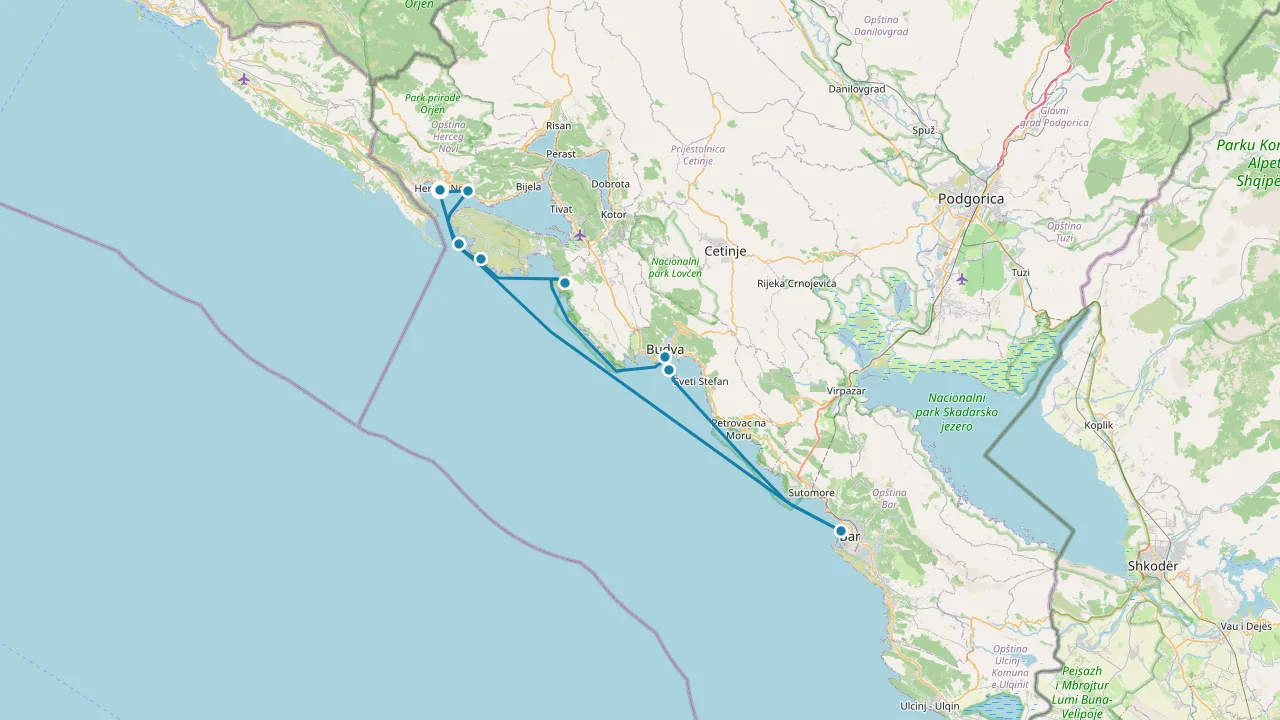
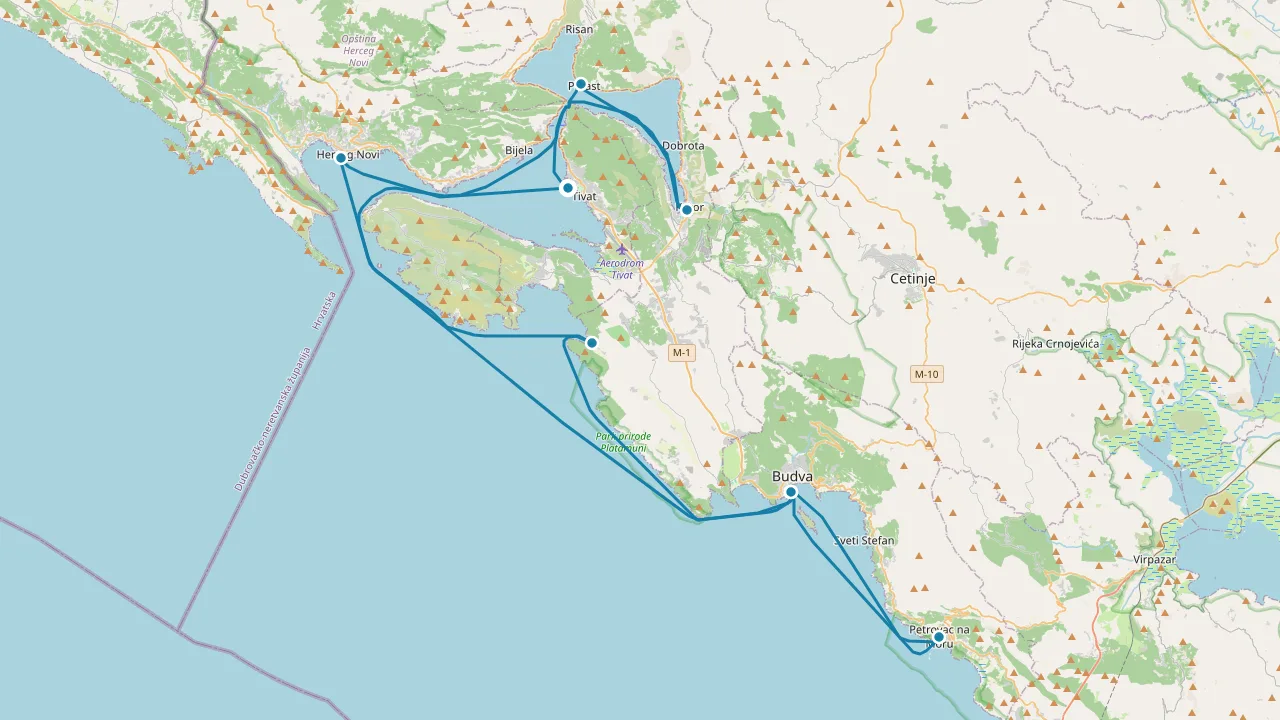
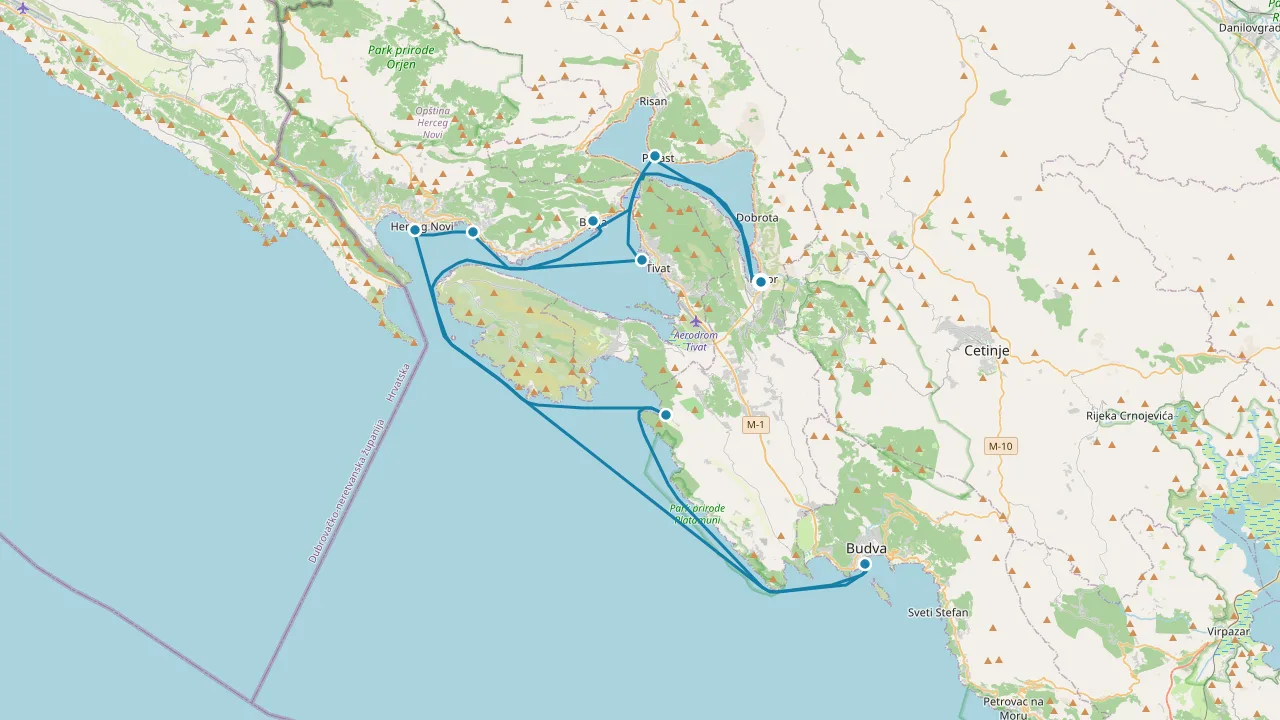
Montenegro is compact, making it ideal for shorter charters of 3 to 7 days. You can sail from Porto Montenegro to Budva, Kotor, and Sveti Stefan in a single week without feeling rushed. Greece demands longer itineraries; a week only scratches the surface of the Cyclades or Ionian islands.
Atmosphere: Montenegro leans toward dramatic scenery—towering mountains plunge into deep blue bays, and medieval walled towns line the water. Greece offers more variety: whitewashed villages, ancient ruins, volcanic landscapes, and pine-covered islands.
Crowds and accessibility: Montenegro remains quieter, even in peak season, with fewer charter yachts competing for anchorages. Greece draws far more visitors; popular islands like Santorini and Mykonos can feel congested in July and August.
Marina infrastructure: Montenegro has a handful of world-class marinas, including Porto Montenegro and Marina Bar. Greece has hundreds of marinas and anchorages, though quality varies significantly by island.
Which Destination Offers the Best Sailing Experience?
Sailing conditions: Montenegro's Adriatic waters are generally calm, with light to moderate winds in summer. The Bay of Kotor is sheltered, making it forgiving for less experienced sailors. Greece presents more variety: the Ionian offers gentle breezes and calm seas, while the Cyclades are famous for the Meltemi, a strong northerly wind that can reach 30–40 knots in July and August.
Seasonality: The Mediterranean yachting season runs from May to October in both countries. Montenegro is most pleasant in May, June, and September, when temperatures are warm but not oppressive. Greece's sweet spot is May–June and September–October, especially in the Cyclades, where the Meltemi can make August challenging for novice sailors.
Seclusion and anchorages: Montenegro's compact coast hides numerous quiet bays, particularly around the Luštica Peninsula and the outer reaches of Boka Bay. Greece has secluded anchorages scattered across lesser-known islands like Folegandros, Kastellorizo, and the northern Sporades, but you must venture off the beaten path.
Route highlights: A classic Montenegro sailing route begins in Tivat or Kotor, sails south past Budva and Sveti Stefan, and crosses to the small island of Sveti Nikola. For a longer voyage, continue down the coast to Dubrovnik in Croatia. Greece offers endless route options: the Ionian's string of islands from Corfu to Lefkada, the Cyclades' iconic loop from Athens to Mykonos and Santorini, or the Saronic Gulf's easy day sails near Athens.
Best Times to Charter: Weather & Winds Explained
Montenegro is best chartered from May through October, with mild winds and little rainfall. July and August bring the warmest waters, often reaching 25°C, but also the highest charter demand. Greece also runs from May to October, but the Meltemi wind dominates the Cyclades and eastern Aegean from mid-July through August. For calmer conditions, choose the Ionian Sea or sail in June and September.
Cost, Charter Types, and Practicalities: Montenegro vs Greece
| Feature | Montenegro (Sailing Yacht Charter) | Greece (Sailing Yacht Charter) |
|---|---|---|
| Bareboat Monohull (Weekly) | ||
| Low Season (May/Oct) | €1,500–€2,500 | €1,800–€3,000 |
| High Season (Aug) | €3,500–€5,000 | €4,000–€6,500 |
| Catamaran Premium | 30–50% more | 30–50% more |
| Skipper (Daily) | €150–€250 | €150–€250 |
| Fully Crewed (Weekly) | €3,000–€8,000 | €3,000–€8,000 |
| Port Fees (40ft Yacht, Night) | ||
| Popular Marinas | €50–€150 (e.g., Porto Montenegro) | €80–€250 (e.g., Mykonos) |
| Basic Mooring | €15–€40 | €15–€40 |
| Provisioning Cost | Noticeably cheaper | 20–40% higher (remote islands) |
| Visa Requirements | Valid passport (EU: no visa <90 days) | Schengen visa (non-EU >90 days) |
| Sailing License | ICC or national license | ICC or national license |
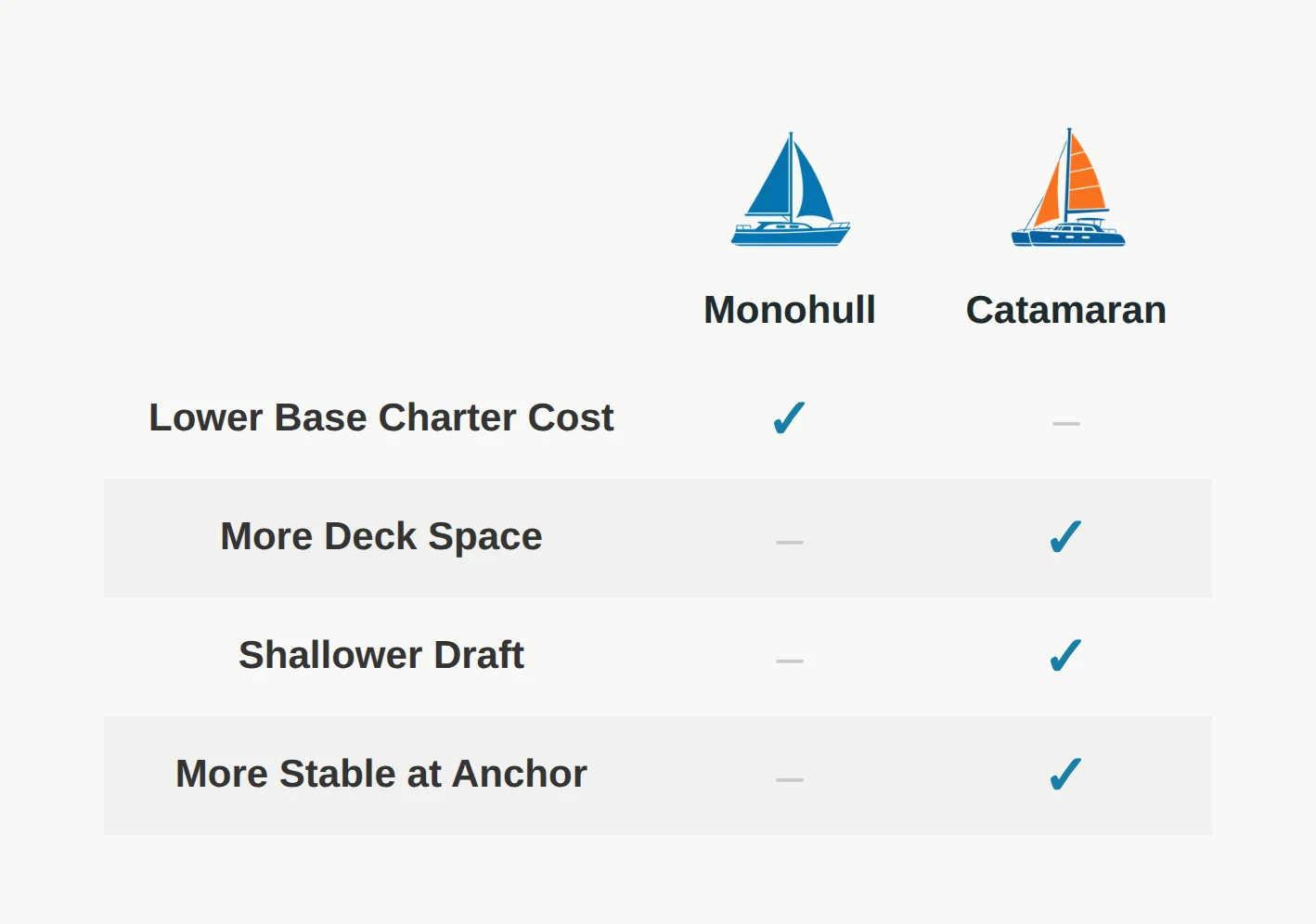
Charter costs: Montenegro often has lower base charter rates than Greece. A bareboat monohull in Montenegro starts around €1,500–€2,500 per week in May or October, rising to €3,500–€5,000 in August. Greece commands a premium: comparable monohulls start at €1,800–€3,000 in low season and reach €4,000–€6,500 in high season. Catamarans cost roughly 30–50% more in both destinations.
Skippered and crewed options: Adding a skipper costs €150–€250 per day in either country. Fully crewed charters range from €3,000–€8,000 per week depending on yacht size and season.
Port fees and mooring: Montenegro's marina fees are generally lower than Greece's popular islands. Porto Montenegro charges roughly €50–€150 per night for a 40-foot yacht, while Mykonos or Santorini can cost €80–€250. Budget €15–€40 per night for basic mooring in smaller harbors.
Provisioning: Montenegro is noticeably cheaper for groceries and marine supplies. Stock up in Kotor or Tivat before departing; prices in Greek island mini-markets can be 20–40% higher.
Visa and paperwork: Montenegro requires a valid passport; EU citizens need no visa for stays under 90 days. Greece is in the EU's Schengen zone, so non-EU travelers need a Schengen visa for stays over 90 days. Both countries accept an International Certificate of Competence (ICC) or national sailing license for bareboat charters.
Do You Need a Skipper? Bareboat vs Skippered Rules
Bareboat charters in Greece require a valid sailing license recognized by the Greek authorities, typically an ICC or equivalent. Montenegro has similar requirements but is sometimes more lenient; some charter companies accept proof of sailing experience without a formal license. Skippered charters are widely available in both countries and are recommended for first-time charterers or unfamiliar waters. A skipper costs €150–€250 per day and can also act as a local guide, sharing knowledge of anchorages, tavernas, and hidden coves.
Choosing Your Ideal Sailing Destination: Who Should Pick Montenegro or Greece?
Families and first-time charterers: Montenegro's calm, sheltered waters and short distances between ports make it ideal for families with children or sailors with limited experience. Greece's Ionian Sea is equally beginner-friendly, but the Cyclades can challenge novices with the Meltemi.
Couples seeking romance: Both destinations deliver. Montenegro's intimate bays and luxury resorts create a refined, quiet atmosphere. Greece offers iconic sunsets in Santorini, secluded beaches on Milos, and charming tavernas in the Ionian.
Adventure seekers: Greece wins for variety. You can island-hop for weeks, explore volcanic calderas, dive ancient shipwrecks, and hike rugged trails. Montenegro's coastline is shorter but still offers adventure: explore the abandoned island of Mamula, hike the fortifications of Kotor, or sail across the open Adriatic toward Croatia.
Large groups: Greece's larger charter fleet and abundance of catamarans make it easier to accommodate groups of 8–12. Montenegro has fewer large yachts available, though Porto Montenegro's superyacht scene is growing.
When Montenegro is the better fit: Choose Montenegro if you prefer shorter routes, fewer crowds, modern luxury marinas, and lower costs. It suits a 3–5 day escape where you can sail, swim, and dine without rushing.
When Greece is ideal: Choose Greece if you want maximum variety, extensive island-hopping, cultural immersion, and a wider choice of yachts. It suits 7–14 day itineraries and sailors who enjoy planning multi-stop adventures.
Frequently Asked Questions
Is Montenegro cheaper than Greece for yacht charter?
Montenegro often has lower charter rates, port fees, and provisioning costs than Greece. A weekly bareboat monohull in Montenegro can be 10–20% cheaper than an equivalent yacht in Greece. Peak season in popular Greek islands like Mykonos or Santorini can be significantly pricier.
How do port facilities compare in Montenegro vs Greece for yachting?
Montenegro features modern luxury marinas like Porto Montenegro and Marina Bar, but fewer overall ports. Greece has a vast network of marinas and island ports stretching across the Aegean and Ionian Seas. Facilities in Greece vary widely, from fully serviced marinas in Athens to basic quays on remote islands.
Which destination offers more secluded anchorages: Montenegro or Greece?
Montenegro's compact coast and Boka Bay provide many quiet, protected anchorages, ideal for privacy even in high season. Greece has isolated anchorages in less-touristed islands like Kastellorizo or the northern Sporades. Popular areas like the Cyclades can feel crowded in July and August.
Why are there so many yachts in Montenegro?
Montenegro's tax advantages, luxury marina developments, and scenic coastline attract many yachts and superyachts. Yacht owners benefit from favorable registration and VAT rules, making the country a popular home port. Its location as a gateway to the Adriatic also makes it a strategic charter base.
What is the 12 person rule on a yacht?
International maritime law limits most private charters to 12 passengers, regardless of yacht size. This rule applies to bareboat and crewed charters in both Montenegro and Greece. Larger groups require special certification and are classified as commercial vessels, which involves additional safety equipment and licensing.
How much does it cost to charter a yacht in Greece?
Weekly bareboat monohull charters in Greece start around €1,800–€3,000 in low season, rising to €4,000 or more in high season. Catamarans and crewed yachts cost significantly more. Add port fees, fuel, and provisioning to your budget, which typically add 20–30% to the base charter price.
The bottom line: For your next charter, Montenegro offers a refined, budget-friendly, and quieter alternative with stunning scenery and modern marinas. Greece remains the classic choice for sailors who want endless islands, cultural depth, and unmatched variety. If you have a week or less and want a relaxed, luxury-focused escape, pick Montenegro. If you have 10+ days and dream of island-hopping through history and legend, Greece is your destination. Book early: peak season slots fill quickly in both countries.
Explore next
Destination guide
Montenegro
Sail Montenegro's Adriatic coast, where deep fjord-like bays meet open sea. Base yourself at Porto Montenegro or Marina Budva and explore the Bay of Kotor's fortified towns.