Full Description & Details
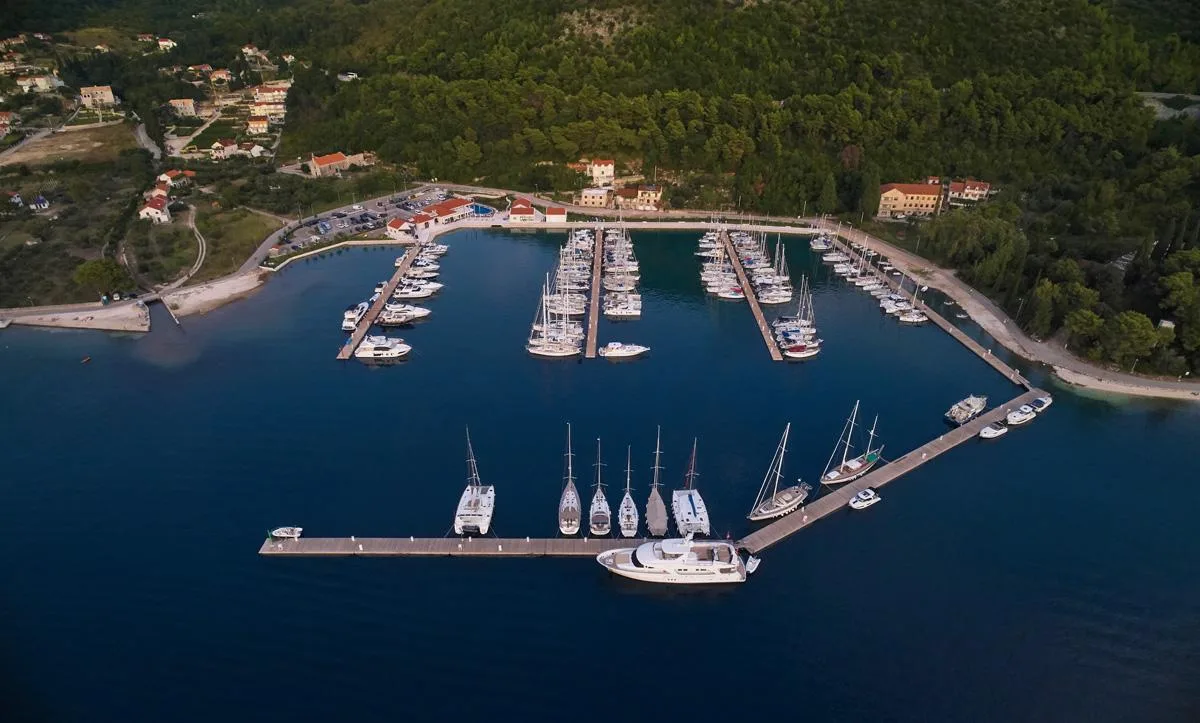
Stari Grad harbour lies at the head of a four-mile long gulf carved into the northwest coast of Hvar Island. The oldest town in Croatia, founded by Greeks in 385 BC, the settlement offers a picturesque setting with narrow alleys and fine old stone houses. The harbour operates as a marina with 60 wet berths distributed along the south and north quays, plus mooring buoys.
The south quay provides around 60 mooring lines in depths ranging from 2.0 metres at the eastern end to 5.0 metres at the western end near the jetty. Water and electricity points are available all along the quay. The north quay, refurbished in 2016, also accommodates visiting yachts with water and electricity at points along the quay. Mooring buoys are positioned in depths of 3.0-4.0 metres. The harbour entrance has depths of 13.0 metres, with 4.0-5.0 metres on the town quay.
Shelter is excellent in all conditions except strong west and northwest winds, which create a dangerous surge in the harbour. The harbour can be subject to 'plima', a seiche causing rapid water level changes of up to 1.0 metre, most likely in very strong south winds with low barometric pressure, though this is relatively rare. During summer season (1 June - 15 September) the port is very busy; arriving before 16:00 is recommended to secure a mooring.
Stari Grad operates as a summer port of entry only. At other times, Split and Korcula are the nearest year-round ports of entry. The old town and harbour area offer many restaurants, cafes and shops. Fuel is available 13 nautical miles away at Bol.
How to get there
There are no dangers in the immediate approach to Stari Grad. A green buoy at the harbour entrance marks a rocky reef. Depths in the entrance are 13.0 metres.
Mariners should watch for the green buoy marking shallows in front of the south waterfront. Anchoring is forbidden in marked zones to prevent dangerous algae from spreading. Contact the harbour on VHF channel 17.
Southeast Jugo occasionally blows strong gusts from the east into the port. Maestral blowing strong from the west ensures tides in the harbour area and can make mooring dangerous; setting lines carefully and delaying docking may be essential. Sea level rises when Jugo blows for several days.
The harbour authority office is located at Don Sime Ljubica 8, with the Lucka kapetanija ispostava at Setnica Don Sime Ljubica 1.
Frequently Asked Questions
How many berths are available at Stari Grad harbour?
Stari Grad harbour has 60 wet berths distributed along the south and north quays, with additional mooring buoys available.
What is the depth range at Stari Grad harbour?
Depths at Stari Grad range from 2.0 metres at the eastern end of the south quay to 5.0 metres at the western end near the jetty. The harbour entrance has 13.0 metres depth.
Can I stay overnight at Stari Grad harbour?
Yes, overnight stays are permitted at Stari Grad harbour, which operates as a marina with mooring berths equipped with water and electricity.
What VHF channel does Stari Grad harbour use?
Stari Grad harbour monitors VHF channel 17 for communication with vessels.
What winds are dangerous at Stari Grad harbour?
Strong west and northwest winds create a dangerous surge at Stari Grad harbour. Maestral blowing strong from the west can make mooring dangerous and requires careful line handling.
When is Stari Grad harbour open during the year?
Stari Grad operates during the summer season from 1 June to 15 September and serves as a summer port of entry only. At other times, Split and Korcula are the nearest year-round ports of entry.
What facilities are available at Stari Grad harbour?
Stari Grad harbour provides water and electricity points along both the south and north quays. Fuel is not available at the harbour itself but can be obtained 13 nautical miles away at Bol.
Routes from Stari Grad
View all Croatia routesMore sailing guides

Bareboat Sailing in Spain: Requirements and Licences
Everything you need to bareboat charter in Spain: accepted licences, flag-state rules, VHF requirements, and what to do if yours isn't accepted.
Yacht Charter Cost in Spain: What to Expect and How to Save
Real yacht charter costs in Spain by boat type, season, and region, plus what's included, hidden fees, and practical ways to cut the price.

How to Charter a Yacht in Spain: A Step-by-Step Guide
A step-by-step guide to chartering a yacht in Spain: choosing a charter type, budgeting, licences, booking, and what to expect once you're aboard.
Yacht Charter Provisioning Guide: Expert Tips & Checklists
Plan your sailing holiday like a pro with our yacht charter provisioning guide—food lists, meal planning, local market tips, and essential advice for every itinerary.

Best Yacht Type for Group Charters: How to Choose
Discover the best yacht types for group charters, from family reunions to corporate events. Compare sailing yacht options, capacity, cost, amenities, and legal limits.
What Information Is Needed to Book a Sailing Yacht Charter?
Discover the key information, documents, and requirements needed to book a sailing yacht charter. Learn what details charter companies need for a smooth reservation.
Yacht Charter Deposit Insurance: What It Covers & Why You Need It
Understand yacht charter deposit insurance: what it covers, costs, differences from security deposits, and how it protects your sailing holiday or commercial charter.
Related places
ACI Marina Jezera
ACI Marina Milna
ACI Marina Palmižana
Birthday Bay (Stupica Vela)
Bobovišća

Drvenik Veliki
Dugi Rat Marina
Konoba Matteo
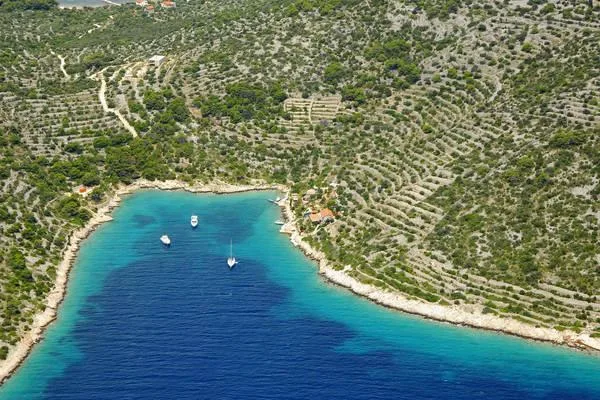
Lemes
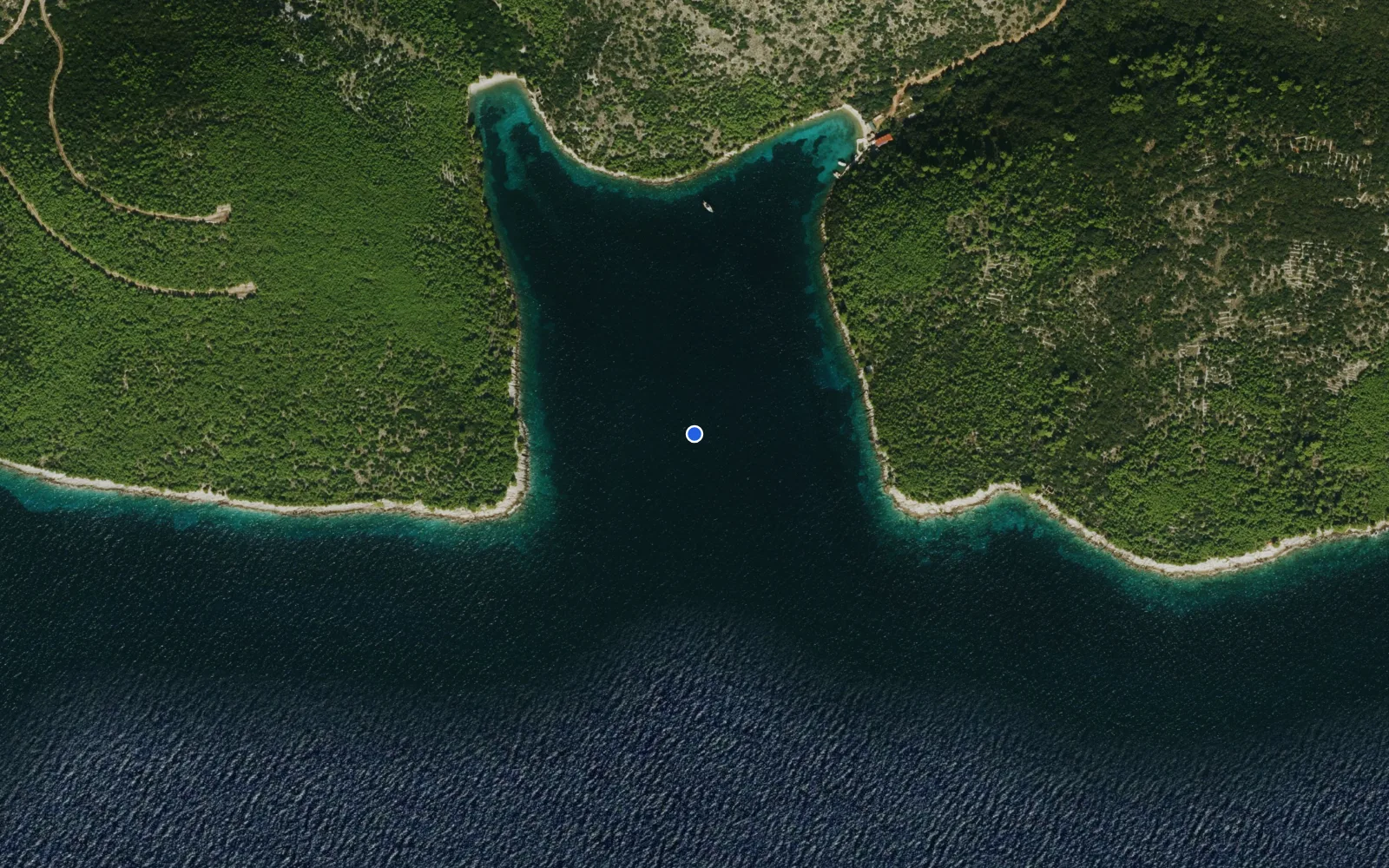
Luka Mrtinovik