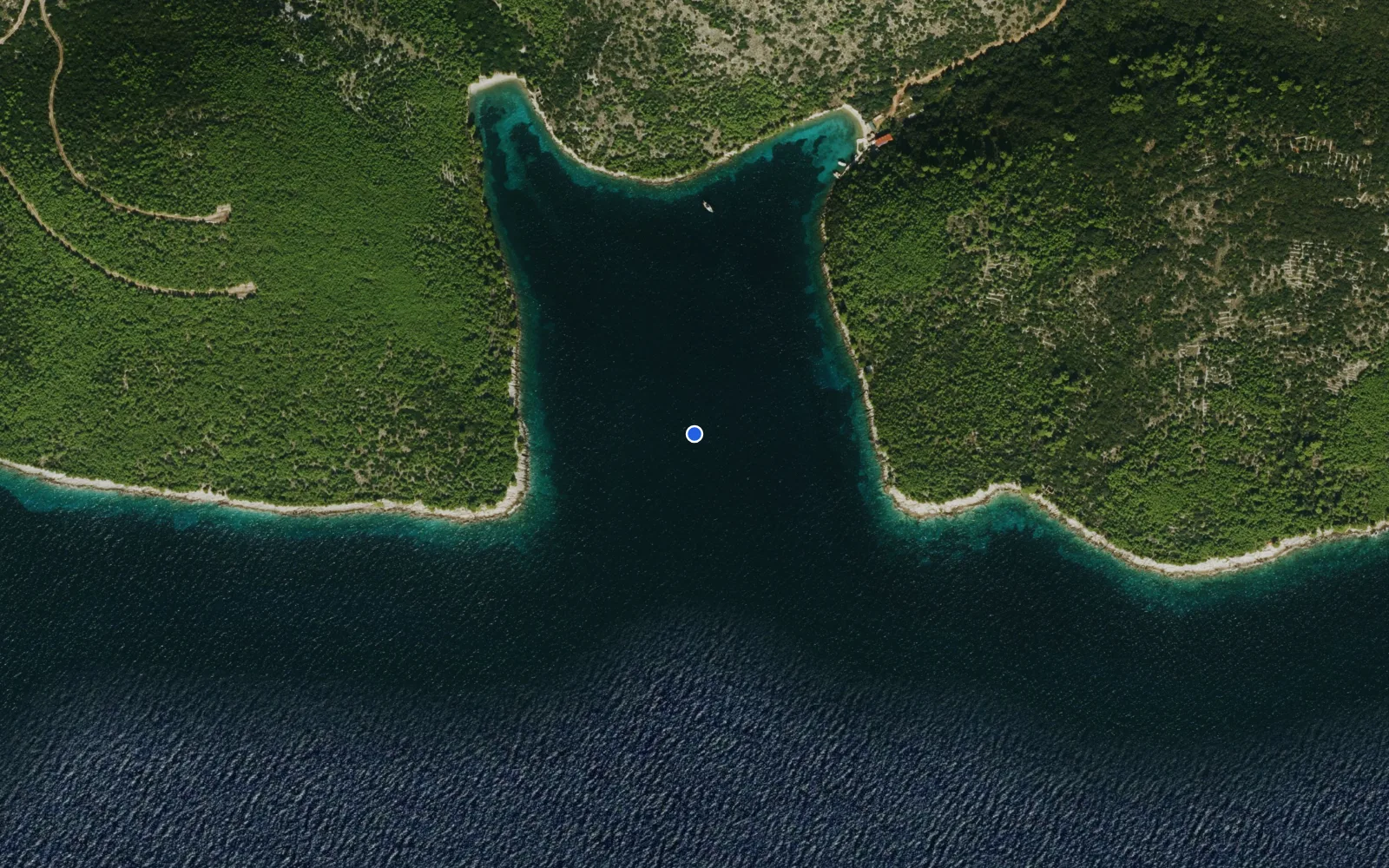
Full Description & Details
Port of Jelsa occupies a deep bay on the northern coast of Hvar Island in Central Dalmatia, ringed by pine forests and positioned near the island's two highest peaks, Sv. Nikola and Humac. The harbour serves as both a ferry port and popular yachting destination, with the old town at the head of the bay retaining its historic character through narrow streets, old stone houses and a fortified 14th-century church.
The port provides 54 moorings distributed across two quays: 21 on the northern side and 33 on the southern side, with depths exceeding 4.5 metres throughout. Shelter is good in most conditions, though strong northeasterly winds can make the harbour dangerous and create uncomfortable wash from tripper boats and ferries, particularly during morning hours. The harbour entrance maintains 6.0 metres depth, reducing to 3.0-4.0 metres at the quays.
Facilities include electricity and water connections at the moorings, showers and toilets ashore, garbage disposal, weather forecasts and wifi access. No fuel is available directly at Port of Jelsa; the nearest petrol station for sailors is located in nearby Vrboska. A boat service and dry marina operates under the name GRINGO, and the Harbour Master's Office maintains a presence in the port.
The surrounding coastline offers clear azure water in secluded coves accessible by boat, while the sandy beaches of Mina and Grebisce provide family-friendly alternatives. The town supports visiting sailors with numerous restaurants, bars and provisioning options, and the location provides convenient access to other Hvar destinations and the nearby Pakleni Islands.
How to get there
Port of Jelsa lies on the northern coast of Hvar Island, approximately one mile southeast of Vrboska marina. The approach presents no navigational dangers in the immediate vicinity, with the harbour entrance maintaining 6.0 metres depth. Visiting yachts should be aware that strong northeasterly winds can make the harbour dangerous, and ferry traffic creates significant wash, especially during morning hours.
Contact the Harbour Master's Office on +385 (0)21 761055 or via email at [email protected] for berthing instructions. Stari Grad serves as the nearest summer port of entry for customs and immigration formalities. During other seasons, Split and Korcula function as the nearest year-round ports of entry.
The port is accessible by road from other parts of Hvar Island, and the town of Jelsa provides local services and provisions within walking distance of the moorings.
Frequently Asked Questions
How many berths does Port of Jelsa have?
Port of Jelsa has a total of 54 moorings, with 21 on the northern side and 33 on the southern side.
What is the minimum depth at Port of Jelsa?
Port of Jelsa has depths over 4.5 metres at the moorings, with 6.0 metres in the harbour entrance and 3.0-4.0 metres at the quays.
Can I stay overnight at Port of Jelsa?
Yes, Port of Jelsa provides moorings for overnight stays by sailboats, motor yachts and catamarans.
What facilities are available at Port of Jelsa?
Port of Jelsa offers electricity connections, water connections, showers and toilets, garbage disposal, weather forecasts and wifi. Fuel is not available at the port itself; the nearest petrol station for sailors is in Vrboska.
How do I contact Port of Jelsa for berthing?
Contact Port of Jelsa by phone at +385 (0)913106235 or email [email protected]. The Harbour Master's Office can be reached at +385 (0)21 761055.
What protection does Port of Jelsa offer from wind?
Port of Jelsa provides good shelter in most conditions, but strong northeasterly winds can make the harbour dangerous.
Where is the nearest port of entry to Port of Jelsa?
Stari Grad is the nearest summer port of entry to Port of Jelsa. At other times, Split and Korcula serve as the nearest year-round ports of entry.
More sailing guides
Bareboat Sailing in Spain: Requirements and Licences
Everything you need to bareboat charter in Spain: accepted licences, flag-state rules, VHF requirements, and what to do if yours isn't accepted.
Yacht Charter Cost in Spain: What to Expect and How to Save
Real yacht charter costs in Spain by boat type, season, and region, plus what's included, hidden fees, and practical ways to cut the price.
How to Charter a Yacht in Spain: A Step-by-Step Guide
A step-by-step guide to chartering a yacht in Spain: choosing a charter type, budgeting, licences, booking, and what to expect once you're aboard.
Yacht Charter Provisioning Guide: Expert Tips & Checklists
Plan your sailing holiday like a pro with our yacht charter provisioning guide—food lists, meal planning, local market tips, and essential advice for every itinerary.

Best Yacht Type for Group Charters: How to Choose
Discover the best yacht types for group charters, from family reunions to corporate events. Compare sailing yacht options, capacity, cost, amenities, and legal limits.
What Information Is Needed to Book a Sailing Yacht Charter?
Discover the key information, documents, and requirements needed to book a sailing yacht charter. Learn what details charter companies need for a smooth reservation.
Yacht Charter Deposit Insurance: What It Covers & Why You Need It
Understand yacht charter deposit insurance: what it covers, costs, differences from security deposits, and how it protects your sailing holiday or commercial charter.
Related places
Pine
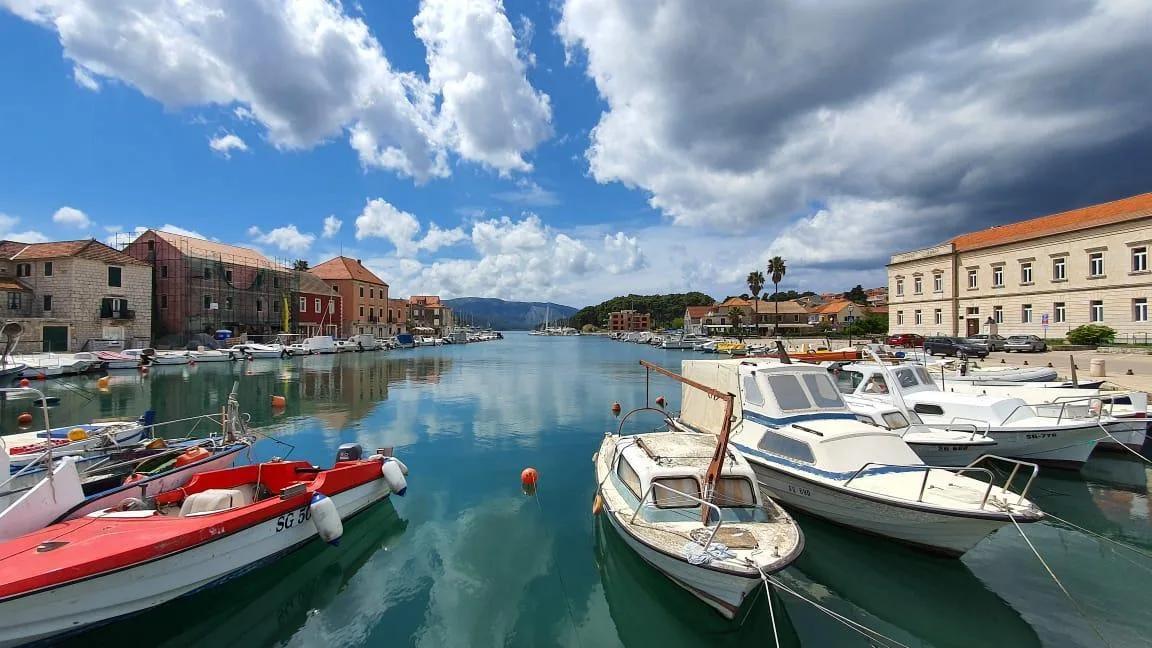
Stari Grad
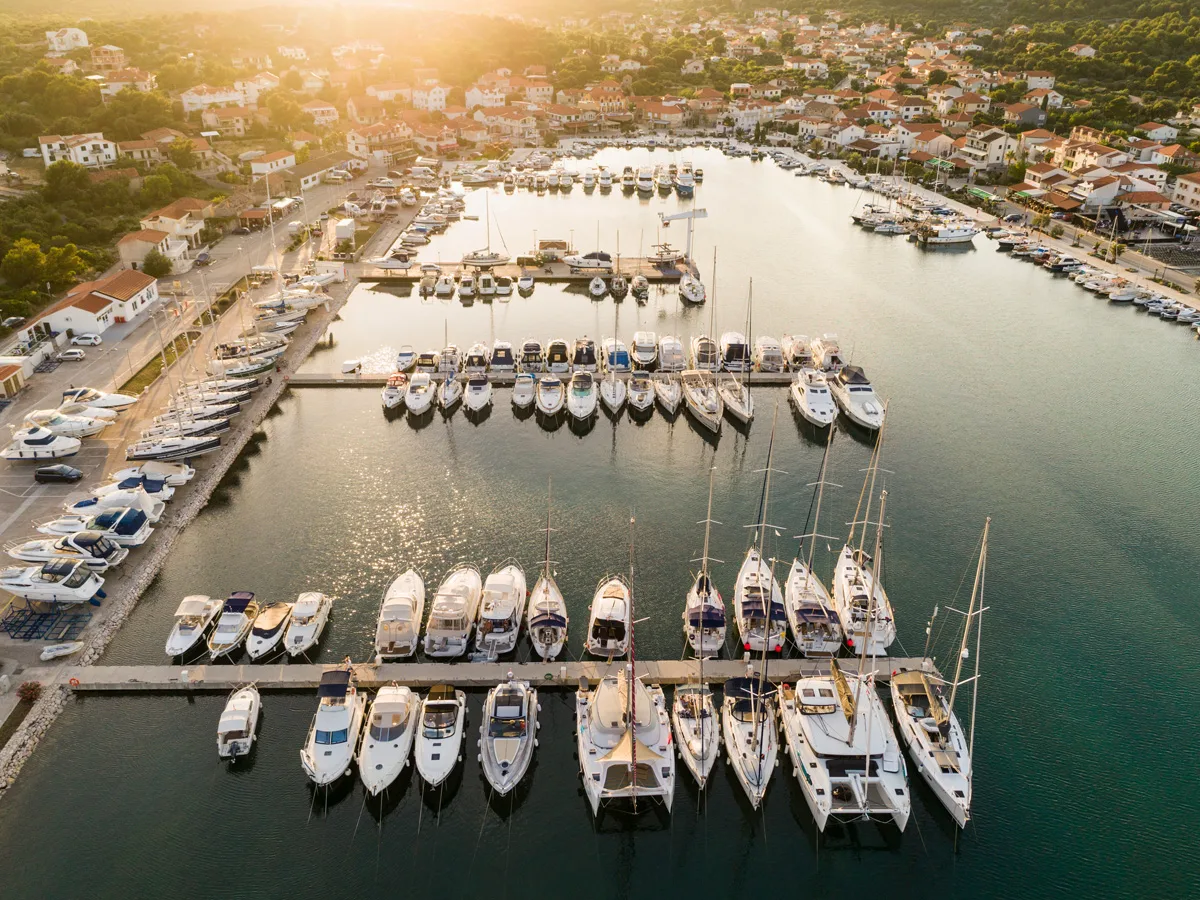
ACI Marina Jezera
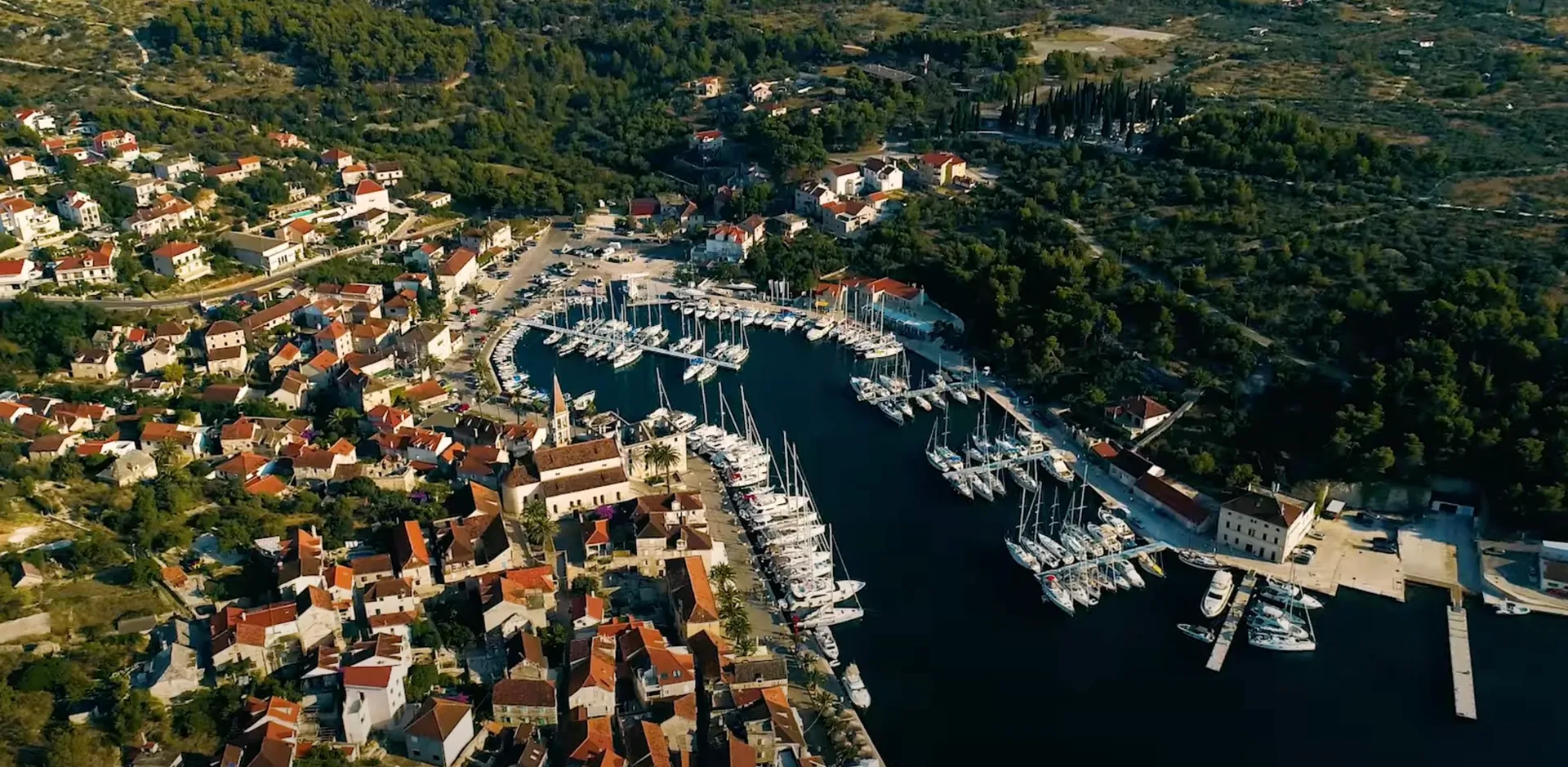
ACI Marina Milna
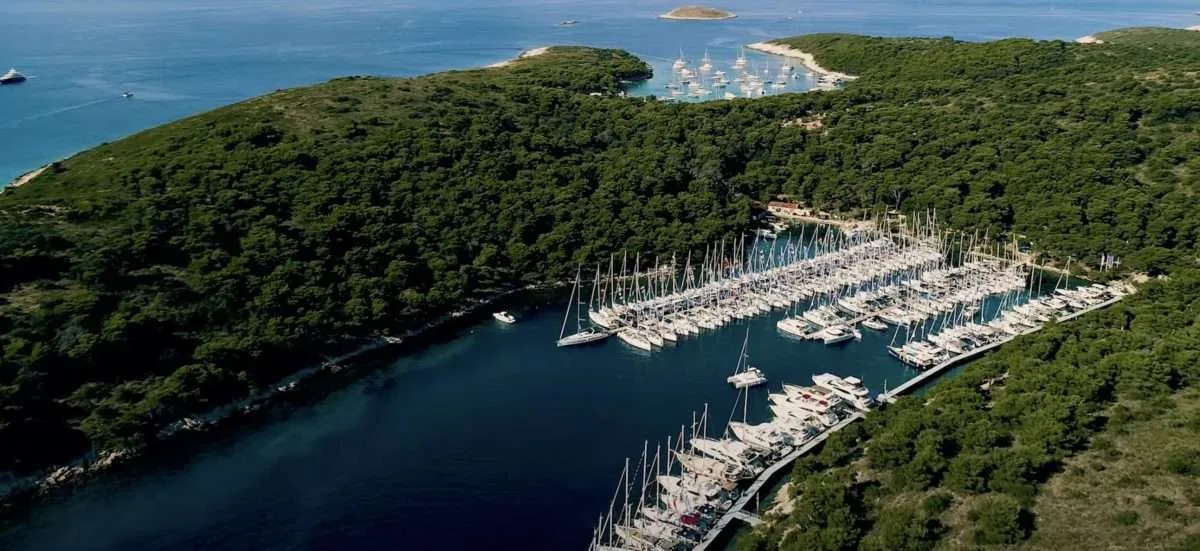
ACI Marina Palmižana
Birthday Bay (Stupica Vela)
Bobovišća
Drvenik Veliki
Dugi Rat Marina
Konoba Matteo
Lemes