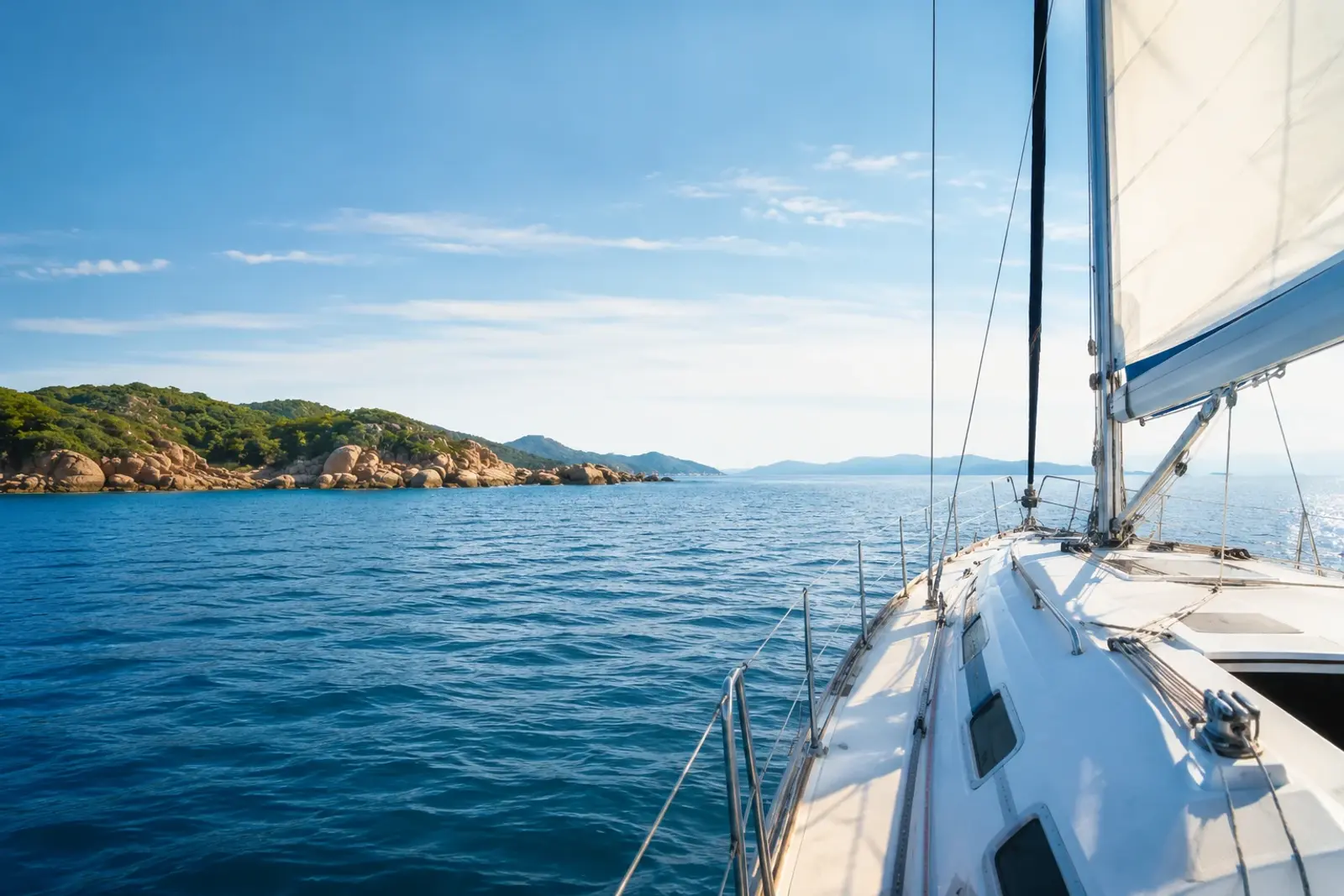
A first yacht charter guide walks beginners through choosing the right yacht, understanding charter types, costs, booking steps, and essential tips for a smooth experience. It covers destinations, what to expect on board, regulations, and how to prepare for your first sailing vacation. Whether you want to captain your own boat or hire a professional crew, knowing the basics helps you avoid common mistakes and book a trip that matches your skill level and budget.
First-time charterers typically face three decisions: where to sail, which type of charter fits their experience, and how to budget for the full cost beyond the base rate. Most beginners start with established cruising grounds that offer short passages between anchorages, reliable weather windows, and strong support infrastructure. Understanding what each charter type includes, and what you pay extra for, prevents surprise costs and ensures you book the right level of service for your group.
What Is a Yacht Charter and Who Is It For?
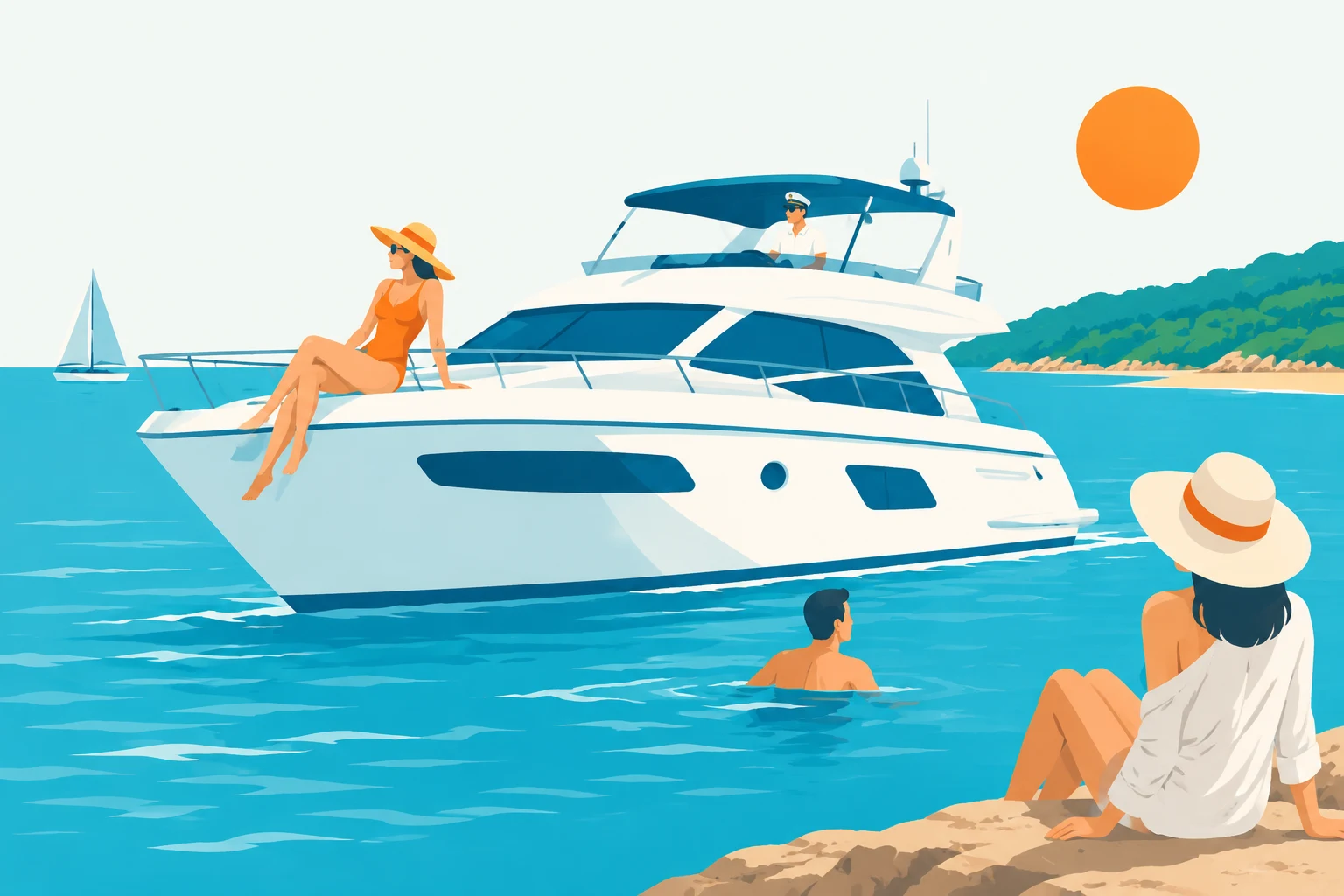
A yacht charter is renting a private vessel, with or without crew, for a set period to explore coastal waters and islands at your own pace. Unlike cruise ships with fixed itineraries and shared spaces, a charter gives you control over where you go, when you anchor, and how you spend your time on board. Most charters run for a week, though shorter three-day trips and longer two-week voyages are common. You pay a base charter fee that covers the yacht and crew (if crewed), plus a separate provisioning budget for food, fuel, and marina fees.
Yacht charters work well for families seeking privacy and flexible schedules, groups of friends celebrating milestones, and couples looking for a romantic escape without resort crowds. A private yacht means children can move freely without disturbing other guests, friend groups can set their own pace for activities and meals, and couples get secluded anchorages that hotels cannot offer. Groups of six to eight people often find charters cost-competitive with luxury resorts once you factor in accommodation, meals, and activities under one rate.
The experience you design depends entirely on your priorities. Leisure-focused charters emphasize calm anchorages, onboard dining, and swimming off the stern in quiet bays. Adventure charters build in snorkeling, diving, kayaking, and exploring multiple islands in a single trip. Celebration charters for birthdays, anniversaries, or reunions combine both, with crew arranging special dinners and coordinating group activities. First-time charterers often choose established cruising grounds like the British Virgin Islands or Greece, where protected waters, short distances between islands, and reliable weather create forgiving conditions for testing whether yacht life suits you.
Types of Yacht Charters: Bareboat, Crewed, and Cabin Explained
| Feature | Bareboat Charter | Crewed Charter | Cabin Charter |
|---|---|---|---|
| Requirements | Valid sailing qualifications/experience, navigation skills, basic maintenance knowledge | None (crew handles everything) | None (crew handles everything) |
| Inclusions | Yacht, basic safety equipment, sometimes limited dinghy/outboard | Yacht, full crew (captain, chef, steward/ess), all meals & drinks, water sports equipment | Individual cabin on a larger yacht, shared common areas, crew, meals & drinks, some activities |
| Pros | Ultimate freedom & privacy, cost-effective for groups, hands-on sailing experience | Luxurious & relaxing, no responsibilities, personalized service, expert local knowledge | More affordable than private crewed, social atmosphere, no planning required, good for solo travelers/couples |
| Cons | Full responsibility for yacht & crew, requires significant sailing experience, no chef/steward | Most expensive option, less privacy, less control over itinerary | Less privacy than private charter, fixed itinerary, less control over group dynamics, shared facilities |
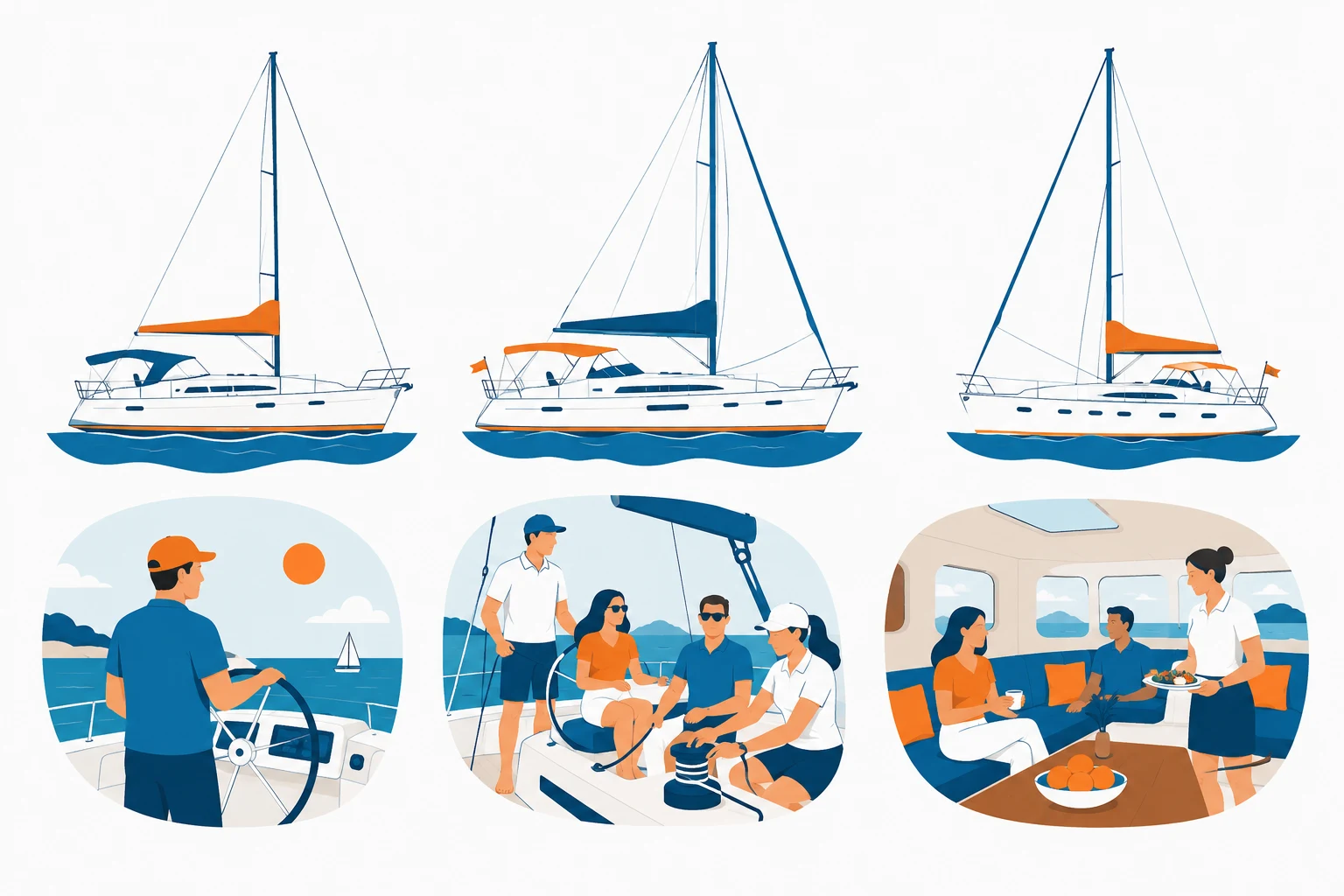
Yacht charters come in three main formats, each with different levels of service and responsibility. A bareboat charter means you rent the yacht without crew and handle all sailing, navigation, and onboard tasks yourself. A crewed charter includes professional crew who manage the yacht while you relax as a guest. A cabin charter lets you book individual cabins on a larger yacht shared with other passengers, similar to a small-ship cruise but with the intimacy of a private vessel.
Bareboat charters
Bareboat charters require valid sailing certification (typically ASA 104, RYA Day Skipper, or equivalent) and documented experience appropriate to the charter area. You serve as captain, handling navigation, anchoring, meal preparation, and all yacht operations. Most charter companies conduct a brief checkout to verify your competence before releasing the yacht. This option costs less than crewed charters since you're not paying for professional crew, but you're responsible for any damage beyond normal wear. Bareboat works best for experienced sailors who enjoy hands-on sailing and want full control over their itinerary without a fixed schedule.
Crewed charters
Crewed charters include a captain and often a chef or steward, depending on yacht size. The crew handles all sailing, navigation, meal preparation, and yacht maintenance while you focus entirely on relaxation and activities. Crew members also serve as local guides, recommending anchorages and arranging water sports or shore excursions. You discuss preferences for meals, pace, and destinations, but the captain makes final decisions about weather and safe anchoring. This format suits first-time charterers, non-sailors, families with young children, and anyone prioritizing service over sailing participation.
Cabin charters
Cabin charters let you book one or more cabins on a yacht that accommodates 6-12 passengers total. You share common areas and meals with other guests while the crew manages all operations. This option costs significantly less per person than chartering an entire yacht and works well for solo travelers, couples, or small groups comfortable with a social atmosphere. The itinerary follows a set route rather than custom requests.
How to Charter a Yacht: Step-by-Step Guide for Beginners
Chartering a yacht begins with selecting a destination and travel window that match your preferences. Research cruising grounds based on weather patterns: the Caribbean offers ideal conditions from December through April, while the Mediterranean peaks from May to October. Consider your group's experience level when evaluating destinations. Protected waters with short passages between anchorages suit beginners better than open-ocean routes.
Once you've narrowed your destination, decide between bareboat and crewed charters based on your sailing qualifications and desired level of service. Review available yacht types: catamarans provide stability and space for families, while monohulls offer a more traditional sailing experience. Match the vessel size to your group, allowing for one cabin per couple or family unit, plus crew quarters if hiring staff.
Contact charter companies directly or work with a yacht charter broker who represents multiple fleets. Brokers provide unbiased recommendations and handle negotiations at no extra cost to you. They can also suggest alternatives if your first-choice yacht is unavailable. Provide your preferred dates, destination, group size, and budget. The broker or company will present options with detailed specifications, photos, and pricing breakdowns.
After selecting a yacht, you'll sign a charter agreement and pay a deposit, typically 50% of the base charter fee. The balance comes due 4-8 weeks before departure. You'll also arrange a security deposit (refundable if the yacht returns undamaged) and purchase travel insurance that covers charter cancellations. Required documentation includes valid passports, sailing certifications for bareboat charters, and proof of insurance. The company confirms your reservation with a detailed contract outlining pickup location, inventory lists, and emergency contacts.
How Much Does It Cost to Charter a Yacht?
Yacht charter cost depends primarily on the vessel's size, type, destination, season, and whether crew is included. A basic 40-foot bareboat catamaran in the Caribbean typically starts around $5,000-$8,000 per week during low season, while a crewed 50-foot yacht in the same region ranges from $15,000-$30,000 weekly. Larger luxury vessels with full crew easily exceed $50,000 per week. Monohulls generally cost 20-30% less than comparable catamarans due to lower demand and operational expenses.
Seasonal pricing creates significant variations. Peak season rates (Caribbean December-April, Mediterranean June-September) run 30-50% higher than shoulder or low season periods. Popular destinations like the British Virgin Islands or French Riviera command premium pricing compared to less-traveled cruising grounds. Charter companies adjust rates based on booking demand and local operating costs.
The base charter fee covers the yacht, standard equipment, and crew salaries for crewed charters. This does not include fuel, food, beverages, marina fees, or gratuities. Budget an additional 25-35% of the base rate for these expenses on a crewed charter. Fuel consumption varies by yacht type and cruising distance but typically costs $500-$2,000 per week for moderate use. Provisioning for food and drinks runs $150-$250 per person weekly, depending on preferences.
Insurance requirements add another layer of cost. Charter companies mandate damage deposit coverage, either through a refundable security deposit ($2,000-$5,000) or damage waiver insurance ($200-$500). Travel insurance protecting against trip cancellation is strongly recommended given the substantial deposits required.
Yacht Charter Insurance: Do You Need It?
Yacht charter insurance protects you from financial liability if the vessel is damaged, equipment is lost, or someone is injured during your trip. Most charter companies require proof of insurance before handing over the yacht, making it a practical necessity rather than an optional extra. Standard policies cover damage to the yacht itself, third-party liability (if you collide with another boat or damage marina property), and personal injury claims from guests or crew.
Two main types apply to beginner yacht charter situations. Damage deposit insurance (also called security deposit insurance) covers the refundable deposit you pay at check-in, which typically ranges from $2,000 to $10,000 depending on yacht value. If you damage the yacht, the company keeps your deposit; this insurance reimburses you. Comprehensive charter insurance includes broader coverage for liability, medical expenses, and trip cancellation, and costs roughly 2-5% of your total charter fee.
First-time charterers should consider comprehensive coverage even if they're sailing with a professional crew. Accidents happen regardless of experience level, and liability claims can reach six figures if another vessel or person is involved.
Choosing the Right Yacht: Catamaran vs. Monohull vs. Motor Yacht
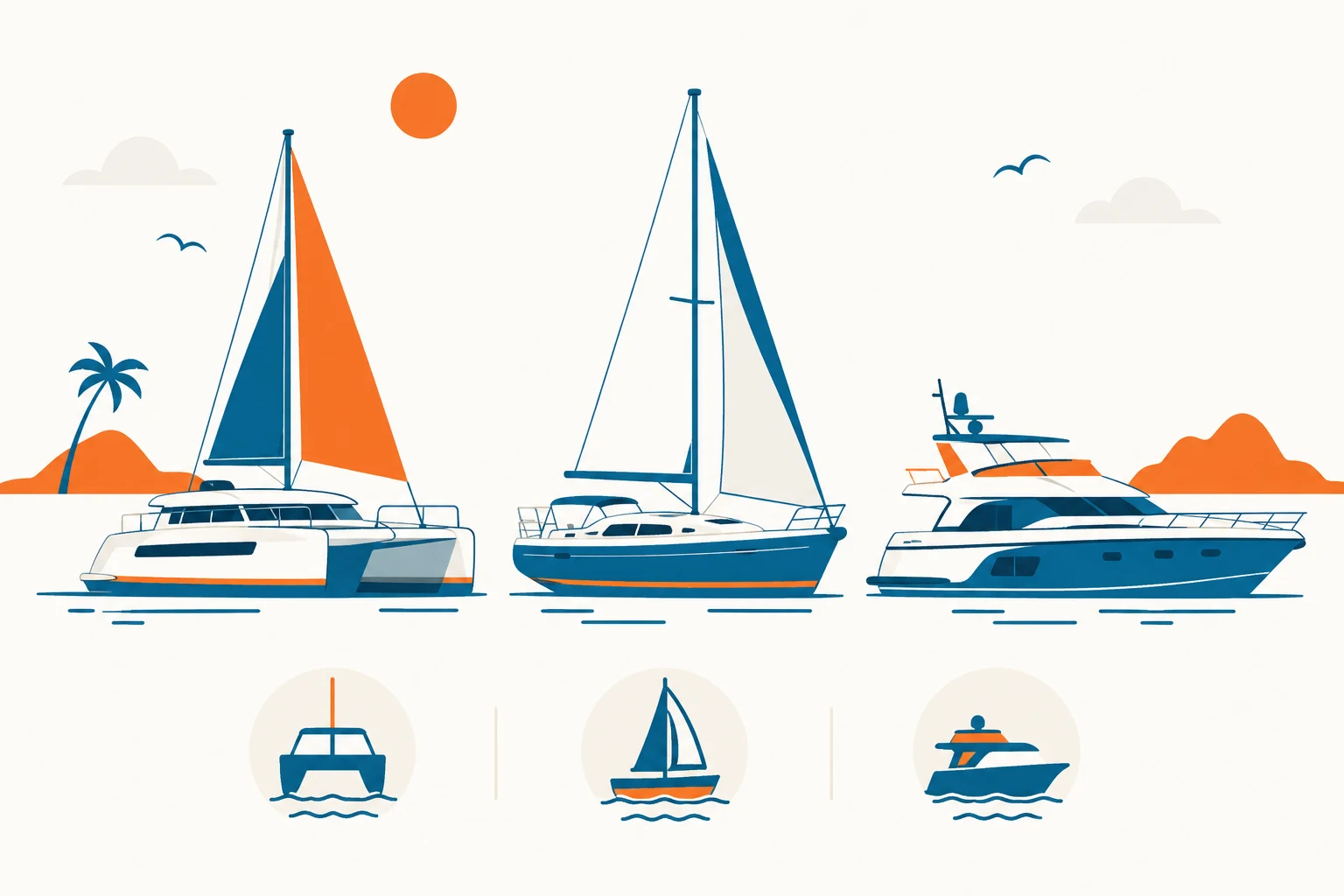
Yacht charter fleets offer three primary vessel types: catamarans, monohulls, and motor yachts. Catamarans feature two parallel hulls connected by a bridging deck, providing exceptional stability and spacious living areas. Monohulls are traditional single-hull sailboats that heel (tilt) when sailing, offering an authentic sailing experience. Motor yachts rely on engines rather than sails, delivering speed and air-conditioned comfort. For beginners, catamarans represent the most popular choice due to their stability and ease of movement onboard.
Catamarans: stability and space
Catamarans remain level while sailing, eliminating the heel that causes seasickness in some passengers. The wide beam creates expansive deck space, larger cabins, and shallow draft for anchoring close to beaches. Most charter catamarans accommodate 6-12 guests comfortably. The downside is cost, typically 20-30% higher than comparable monohulls, and reduced sailing performance in light winds. Catamaran charters suit families with children, groups prioritizing comfort over sailing tradition, and anyone prone to motion sickness.
Monohulls: traditional sailing
Monohulls deliver an authentic sailing experience with responsive handling and the ability to sail closer to the wind. They cost less than catamarans of similar length and fit more easily into marina slips. However, the heel angle while sailing can be unsettling for first-timers, and interior space is more compact. Monohull charters appeal to experienced sailors, couples seeking intimacy over space, and budget-conscious charterers willing to trade comfort for lower rates.
Motor yachts: speed and luxury
Motor yachts eliminate sailing complexity entirely, using twin engines to cover distances quickly. They offer air conditioning, stabilizers for calm passages, and luxurious interiors. Fuel costs add substantially to the provisioning budget, often $500-$2,000 per week depending on usage. Motor yacht charters work best for non-sailors prioritizing destinations over the journey, short trips requiring efficient travel between islands, and groups expecting hotel-level amenities.
Top Yacht Charter Destinations for Beginners
The British Virgin Islands offer the most forgiving conditions for first-time charterers, with short distances between islands (typically 5-10 nautical miles), consistent trade winds, and protected waters. Line-of-sight navigation means you can see your next destination from your current anchorage, eliminating complex passage planning. The Ionian Islands in Greece provide similarly calm seas, predictable summer winds under 15 knots, and numerous harbors offering easy shelter. Both regions have dense concentrations of charter companies, marine services, and English-speaking support staff.
The Bahamas Exumas chain suits beginners seeking shallow-water cruising, with depths rarely exceeding 15 feet and minimal tidal variation. Croatia's Dalmatian Coast combines sheltered sailing with well-marked channels and abundant marinas spaced 10-20 miles apart. These destinations share key beginner-friendly traits: minimal overnight passages, reliable weather windows from May through October, and established marine infrastructure.
A typical BVI week-long itinerary starts at Tortola, then visits The Baths at Virgin Gorda (unique granite boulder formations), Jost Van Dyke (beach bars), and Norman Island (snorkeling caves). Greek Ionian routes often begin in Lefkada, covering Meganisi's quiet coves, Kefalonia's Melissani Cave, and Ithaca's historic harbors. Both itineraries allow flexibility to shorten or extend daily passages based on crew comfort, with safe anchorages every 3-5 miles if conditions change unexpectedly.
These regions maintain water temperatures of 75-82°F year-round, eliminating wetsuit requirements for swimming and water sports. Their popularity with charter fleets means consistent availability of provisioning, fuel, and technical support at every major stop.
What to Expect Onboard: Comfort, Safety, and Activities
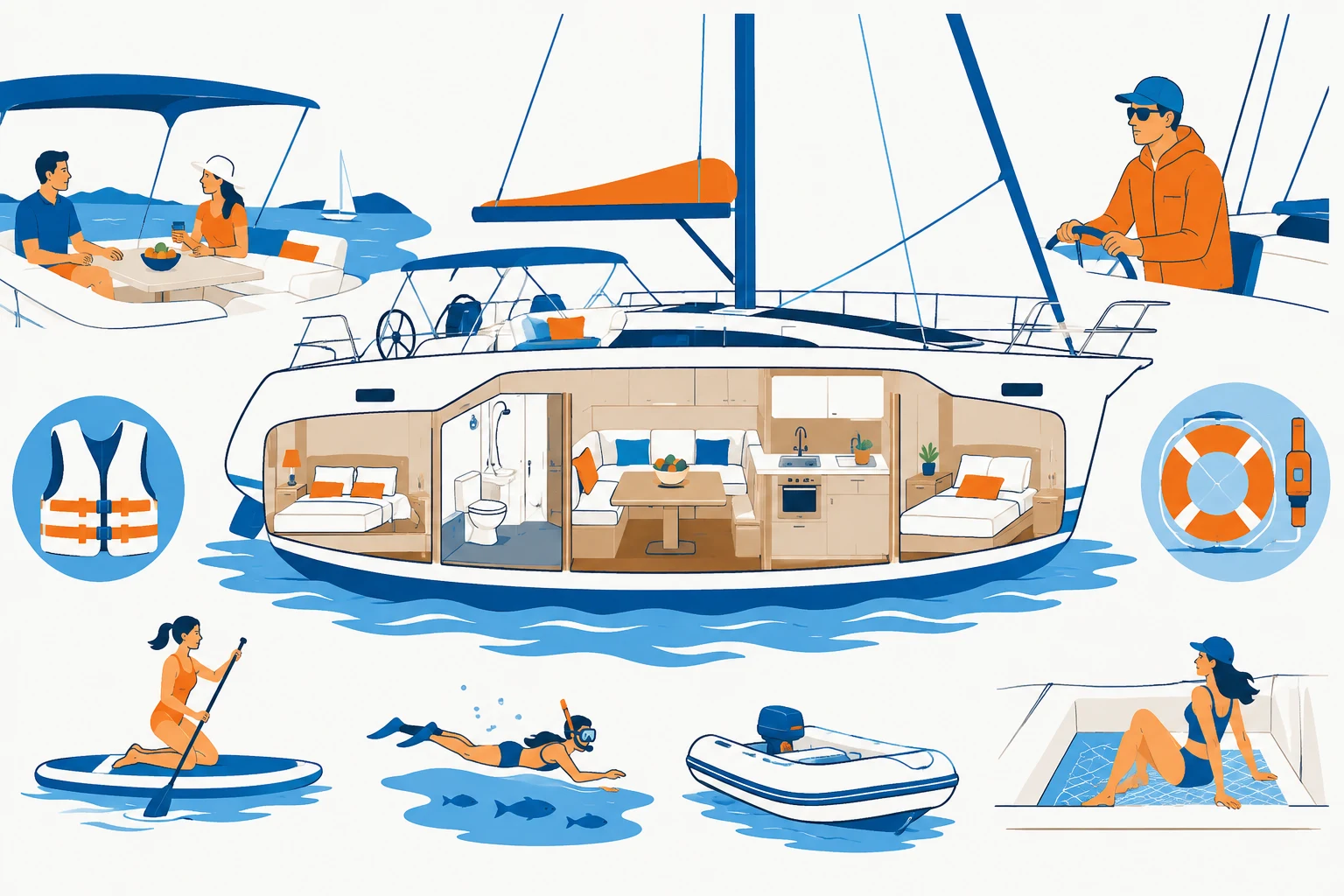
Modern charter yachts provide hotel-level comfort with air-conditioned cabins, private bathrooms (called heads), fully equipped galleys, and outdoor lounging areas. Most yachts include paddleboards, snorkeling gear, and kayaks as standard equipment. Larger crewed yachts often carry additional water toys like inflatable slides, wakeboards, or diving compressors. Interior layouts prioritize natural light and ventilation, with salon areas for dining and relaxation. Expect reliable WiFi on most crewed charters, though bareboat yachts may require your own hotspot in remote anchorages.
Safety briefings and regulations
Every charter begins with a mandatory safety briefing covering life jacket locations, fire extinguisher use, man-overboard procedures, and VHF radio operation. The captain or base staff will demonstrate the yacht's specific systems, including engine controls, anchor windlass, and electrical panels. You'll receive emergency contact numbers and learn local navigation rules. Most charter companies require you to stay within designated cruising areas and prohibit overnight passages without prior approval. Weather monitoring is essential, and captains have authority to modify itineraries for safety.
Daily routines and activities
Typical days follow a relaxed rhythm: breakfast onboard, a morning sail to a new anchorage (usually 2-4 hours), lunch in a sheltered bay, and afternoon water sports or coastal exploration. Crewed charters include chef-prepared meals with provisions tailored to your preferences. Bareboat charterers either cook onboard or dine at waterfront restaurants in harbor towns. Popular activities include snorkeling over reefs, paddleboarding in calm coves, beach barbecues, and sunset cocktails on deck. Most groups visit 3-5 different locations per week, balancing sailing time with anchored leisure.
Do You Need a License to Charter a Yacht?
Bareboat charters require proof of sailing competence, typically an internationally recognized certification like an ASA (American Sailing Association) 104 or RYA (Royal Yachting Association) Day Skipper qualification. Charter companies verify your credentials and often conduct a practical checkout sail before handing over the yacht. Some destinations, including Croatia and Greece, legally mandate sailing licenses for bareboat operations, while others like the British Virgin Islands rely on charter company policies rather than government requirements.
If you lack certification or sailing experience, skippered and crewed charters eliminate license requirements entirely. A skippered charter includes a professional captain who handles navigation and sailing while you assist as much or as little as desired. Crewed charters provide a full crew (captain and chef/steward), requiring no sailing involvement from guests. These options suit first-timers who want the yacht charter experience without the responsibility of operating the vessel.
Charter companies assess your experience through a sailing resume detailing previous voyages, certifications, and boat types handled. Honest disclosure prevents complications during checkout procedures.
What Should You Pack for a Yacht Charter?
Pack soft-sided luggage with lightweight, quick-dry clothing suitable for warm days and cooler evenings on the water. Bring swimwear, reef-safe sunscreen, a hat, sunglasses, and non-marking deck shoes with good grip. Essential documents include your passport, sailing certifications (for bareboat charters), travel insurance policy, and charter contract. A waterproof phone case, portable charger, and any prescription medications belong in your carry-on.
Most charter yachts provide bedding, towels, basic galley equipment, snorkeling gear, and water toys like paddleboards. They also stock safety equipment and navigation tools. You'll need to bring your own toiletries, medications, and any specialized items like underwater cameras or fishing gear. Check your charter agreement for the specific inventory, as luxury crewed yachts typically provide more amenities than bareboat vessels.
Leave valuables at home. A basic yacht charter packing list should prioritize sun protection, comfortable footwear, and layers for variable weather rather than formal attire. Most charter destinations maintain a casual dress code both onboard and ashore.
Yacht Charter Tips for First Timers: Making the Most of Your Trip
Open communication with your skipper or crew sets the foundation for a successful charter. Share your preferences for activity level, dining times, and must-see destinations during the initial briefing, but also listen to their local expertise about weather windows and hidden anchorages. Professional crew members know the waters intimately and can suggest alternatives when your planned beach is too crowded or too rough.
Weather dictates sailing schedules more than any printed itinerary. A flexible mindset transforms potential disappointments into opportunities when wind or waves force a route change. Your skipper may recommend staying an extra day at a protected anchorage or skipping an exposed island crossing, prioritizing safety and comfort over checking boxes on a list.
Respect onboard etiquette by using deck shoes only on deck, taking brief showers to conserve water, and keeping communal spaces tidy. Ask before inviting guests aboard from other boats or shore. Most importantly, disconnect from work emails and embrace the slower rhythm of life at sea, where the next anchorage and sunset become the day's primary agenda.
How to Choose a Yacht Charter Company or Broker
A reputable yacht charter broker acts as your advocate, matching your preferences to suitable yachts at no extra cost since they earn commissions from charter companies. Look for brokers with industry affiliations like CYBA (Charter Yacht Broker Association) or MYBA (Mediterranean Yacht Brokers Association), which require members to maintain professional standards and client trust accounts. Direct charter companies manage their own fleets and can offer detailed vessel knowledge, but brokers provide unbiased comparisons across multiple fleets and destinations.
Ask how long the company has operated in your chosen destination and request references from recent clients. Verify they carry professional liability insurance and use standard charter agreements like MYBA or CYBA contracts. A trustworthy broker will ask detailed questions about your group's experience level, preferences, and any mobility considerations rather than immediately pushing the most expensive option.
Confirm what support they provide during your charter. The best companies offer 24/7 emergency contact numbers and have local staff or partner bases in your cruising area. Transparency about additional costs separates professional operators from those who surprise clients with unexpected fees at the dock.
Frequently Asked Questions
How much does it cost to charter a yacht?
Yacht charter costs vary by yacht size, type, season, and destination. Beginners can expect to pay $5,000 to $25,000 or more per week for the yacht itself. This base price typically excludes food, fuel, dockage fees, and crew gratuity (usually 10-20% of the charter fee). High season in popular destinations costs more than shoulder or low season.
What is the difference between bareboat and crewed yacht charter?
A bareboat charter means you skipper the yacht yourself and requires sailing experience or a valid license. A crewed charter includes a professional crew who handle all navigation, sail handling, cooking, and onboard service. Crewed charters cost more but require no sailing skills from guests. A third option, skippered charter, provides a captain only while you help or simply relax.
What do I need to know before chartering a yacht for the first time?
Choose beginner-friendly destinations with calm waters and good marina infrastructure. Understand the full cost breakdown, including base fee, provisioning, fuel, and gratuity. Confirm what insurance coverage is included and what documents you need (passport, sailing license if bareboat, credit card for security deposit). Book well in advance for peak season and clarify cancellation terms before signing a contract.
Where are the best places to charter a yacht for beginners?
The Mediterranean (Greece, Croatia), the Caribbean (British Virgin Islands, St. Lucia), and Thailand offer calm waters, short passages between islands, and well-developed marina support. These regions have consistent weather patterns during peak season, reliable charter fleets, and easy navigation. The British Virgin Islands are especially popular for first-timers due to line-of-sight sailing and protected anchorages.
What kind of yachts can I charter?
Catamarans, monohulls, and motor yachts are the most common charter types. Catamarans offer stability and space, making them popular with families and groups. Monohulls provide a traditional sailing experience and better upwind performance. Motor yachts deliver speed and luxury but consume more fuel. Choose based on your group size, comfort priorities, and sailing experience level.
Do I need a license to charter a yacht?
A sailing license or certificate of competence is required for bareboat charters in most locations. Requirements vary by country, some accept RYA, ASA, or ICC credentials while others require a local test. Crewed and skippered charters require no license from guests. Check specific requirements with your charter company for your destination, as regulations differ between Mediterranean, Caribbean, and other regions.
What should I pack for a yacht charter?
Pack light in soft bags (hard luggage doesn't store well on yachts). Bring non-slip deck shoes, swimwear, reef-safe sunscreen, a hat, and quick-dry clothing. Essential documents include your passport, sailing license if bareboat, and travel insurance. Most yachts provide bedding and towels. Check with your charter company about provided items like snorkel gear, water toys, and kitchen equipment before packing duplicates.
How do I choose a yacht charter company?
Look for companies with several years of experience, positive customer reviews on independent platforms, and transparent contracts with clear terms. Ask about their safety standards, maintenance schedules, and insurance coverage. Responsive customer support before booking usually indicates good service during your charter. Verify the company is a legitimate operator, not just a booking platform, and confirm what support they provide if issues arise during your trip.