Understanding Croatia yacht charter license requirements is essential before booking your sailing holiday. To charter a yacht bareboat, you must hold a valid skipper's license recognized by Croatian authorities, a separate VHF radio operator's certificate, and carry original physical documents for both. Accepted qualifications include the International Certificate of Competence (ICC), RYA Day Skipper or higher, ASA 104 Bareboat Cruising, and equivalent national licenses from EU states, Switzerland, and Norway. Without these credentials, you cannot take the vessel independently and must hire a professional skipper.
Croatian maritime regulations strictly enforce these rules under the Maritime Code. Port authorities will inspect your paperwork during check-in, and digital copies or photocopies are rejected outright. Non-EU licenses may require verification or official translation if not in English or Croatian. Ensuring your documentation meets these standards prevents fines starting at €400 and avoids charter cancellation at the dock.
Croatia yacht charter license requirements: What you need
Croatia yacht charter license requirements mandate a valid national or international skipper license and a VHF radio certificate. Both documents must be original, not photocopies or digital scans. The Croatian Maritime Code and Port Authority regulations require these credentials for any vessel charter, with strict enforcement at check-in and during port inspections.
The legal framework stems from the Croatian Maritime Code and specific charter regulations administered by the Ministry of Maritime Affairs. Foreign skippers do not need a specific croatian boat license for charter; their national or international credentials are accepted if they comply with international conventions.
You must present a recognized skipper license proving competency for the vessel's size and type. The VHF radio certificate demonstrates communication proficiency for maritime channels. Original paper documents are mandatory; laminated cards or official certificates satisfy this requirement. Electronic formats or photographed documents do not qualify as valid proof.
Port authorities conduct random inspections in marinas and at sea. Charter companies act as the first line of compliance, verifying credentials before handing over vessel keys. Companies face penalties for allowing unlicensed operators to depart. Skippers without proper documentation risk fines and immediate voyage termination.
Which Sailing Licenses Are Accepted for Chartering in Croatia?
| License Type | Bareboat | Skippered | VHF | Notes |
|---|---|---|---|---|
| ICC | Yes | Yes | Yes | Valid for most yachts |
| RYA Day Skipper | Yes | Yes | Yes | Coastal waters |
| RYA Coastal Skipper | Yes | Yes | Yes | Offshore capable |
| ASA 104 | Yes | Yes | Yes | International recognition |
| US Sailing | Yes | Yes | Yes | Similar to ASA |
| Croatian Boat Skipper B | Yes | Yes | Yes | Local license |
| EU Country Licenses | Yes | Yes | Yes | Check specifics |
| Other Country Licenses | Case-by-case | Case-by-case | Yes | Submit for review |
Croatia accepts a wide range of international and national sailing licenses for bareboat charter, provided they comply with United Nations Convention on the Law of the Sea (UNCLOS) standards or equivalent international frameworks. The most commonly accepted qualifications include the International Certificate of Competence (ICC), Royal Yachting Association (RYA) Day Skipper and above, American Sailing Association (ASA) 104 Bareboat Cruising, and US Sailing Bareboat Cruising certifications. National licenses from EU member states, Switzerland, and Norway are also recognized if they meet minimum competency requirements for the vessel class.
For skippers holding non-EU licenses, verification against Croatian standards is essential. The Croatian Ministry of the Sea, Transport and Infrastructure maintains a published list of accepted foreign qualifications. Licenses issued in languages other than English or Croatian typically require an official translation or an international format certificate.
Croatian waters are classified as non-tidal, so skippers with tidal-restricted certificates may still charter, though some charter companies prefer tidal experience for larger vessels or offshore passages. RYA Coastal Skipper or higher automatically satisfies all Croatian requirements regardless of tidal limitations.
Skippered charters operate under different rules. When hiring a professional Croatian skipper, guests need no sailing license. The skipper assumes legal responsibility, and the charter becomes a passenger arrangement.
To confirm your license is valid, contact your charter company before booking. They will cross-reference your credentials against current Croatian regulations and advise whether additional certification or an ICC upgrade is necessary.
VHF Radio License: Croatian Law and Practicalities
Croatian maritime regulations require at least one crew member aboard any chartered yacht to hold a valid VHF radio operator's certificate. This separate requirement from the skipper license ensures competency in maritime distress procedures, channel usage, and safety communications. The Short Range Certificate (SRC) is the standard vhf radio license croatia recognizes, though equivalent national certifications are also valid.
The VHF requirement exists as a separate mandate because communication proficiency and navigation competency are distinct legal competencies under the Croatian Maritime Code. Port authorities require original paper documentation for both; digital certificates or photocopies are rejected during inspections.
Accepted qualifications include the RYA SRC, ICC with VHF endorsement, and national marine radio certificates from EU member states, Norway, Switzerland, and the United States. Licenses must cover marine VHF operation specifically, not general radio operation.
If you lack this certification, you must obtain it before arrival. The RYA offers one-day SRC courses with immediate assessment at centers worldwide. Some Croatian sailing schools provide intensive one-day courses in major charter bases like Split and Dubrovnik, though booking weeks in advance is essential during high season.
Port authority process: documents and procedures on arrival
Upon arrival at the first Croatian port, the skipper must present original documentation to the harbourmaster's office or designated port authority. This initial check-in establishes the vessel's legal status and registers the crew for the charter duration. Officials require the original skipper license, VHF operator certificate, official crew list, and valid passports for every person on board.
The crew list croatia procedure involves official stamping by port authorities. Charter companies provide a preliminary version before departure, but any personnel changes during the voyage must be reported and updated at the next port of call.
During inspection, officials verify that the skipper's qualifications match the vessel size and type. They confirm valid VHF certification and check that all documents are original physical copies. Digital versions or photocopies are rejected immediately. The inspection typically takes fifteen to thirty minutes when paperwork is in order.
Missing or invalid documents result in immediate charter prohibition. The port authority croatia may detain the vessel until proper documentation is obtained or a licensed skipper is hired. Fines for non-compliance typically start at €400 and escalate with each day of violation.
What if you don't have the right license or experience?
If you lack the required skipper license or experience, you cannot charter a bareboat yacht in Croatia. You must either hire a professional skipper, join a flotilla with lead-boat support, or obtain a local Croatian license by passing an exam at a port authority. Charter companies will verify your qualifications before departure and will refuse to hand over the vessel if documents are missing.
Most Croatia bareboat charter companies offer skippered charters where a licensed captain handles navigation and assumes legal responsibility. This typically costs from €150 to €200 per day plus meals and a cabin. Alternatively, flotilla sailing provides a lead boat with professional support, allowing less experienced sailors to navigate with guidance.
You can obtain a valid Croatian coastal skipper license by passing a theoretical and practical exam at the port authority in major bases like Split, Zadar, or Pula. The test covers local navigation rules and maritime regulations, issuing a temporary license valid for one year that satisfies croatia sailing permit requirements.
Charter companies require proof of your newly obtained license or confirmation of skippered charter booking before finalizing contracts. They will not permit unlicensed individuals to take possession of the vessel under any circumstances.
Planning Your Croatian Yacht Charter: Practical Tips
Book bareboat charters six months in advance for peak July and August departures to secure preferred vessels and marina berths along the Dalmatian coast. Select a yacht that matches your license limitations regarding vessel length and tonnage; skippers holding coastal qualifications cannot command offshore-capable vessels regardless of experience.
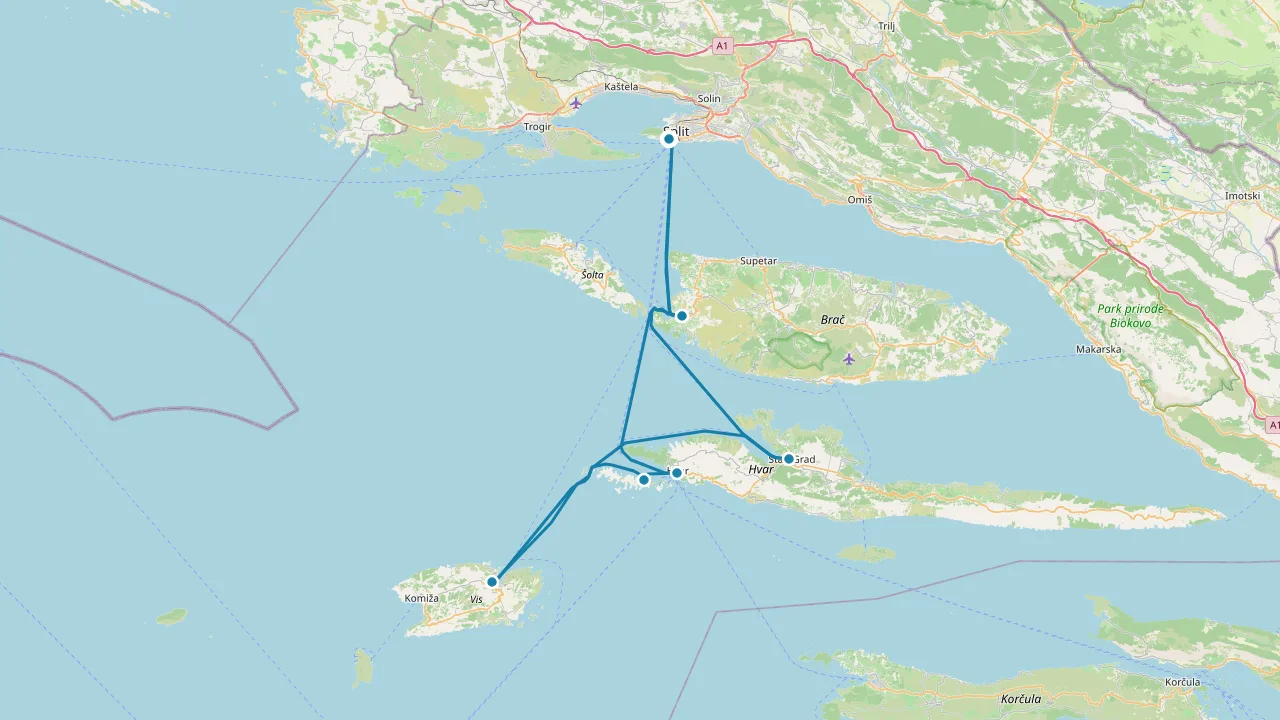
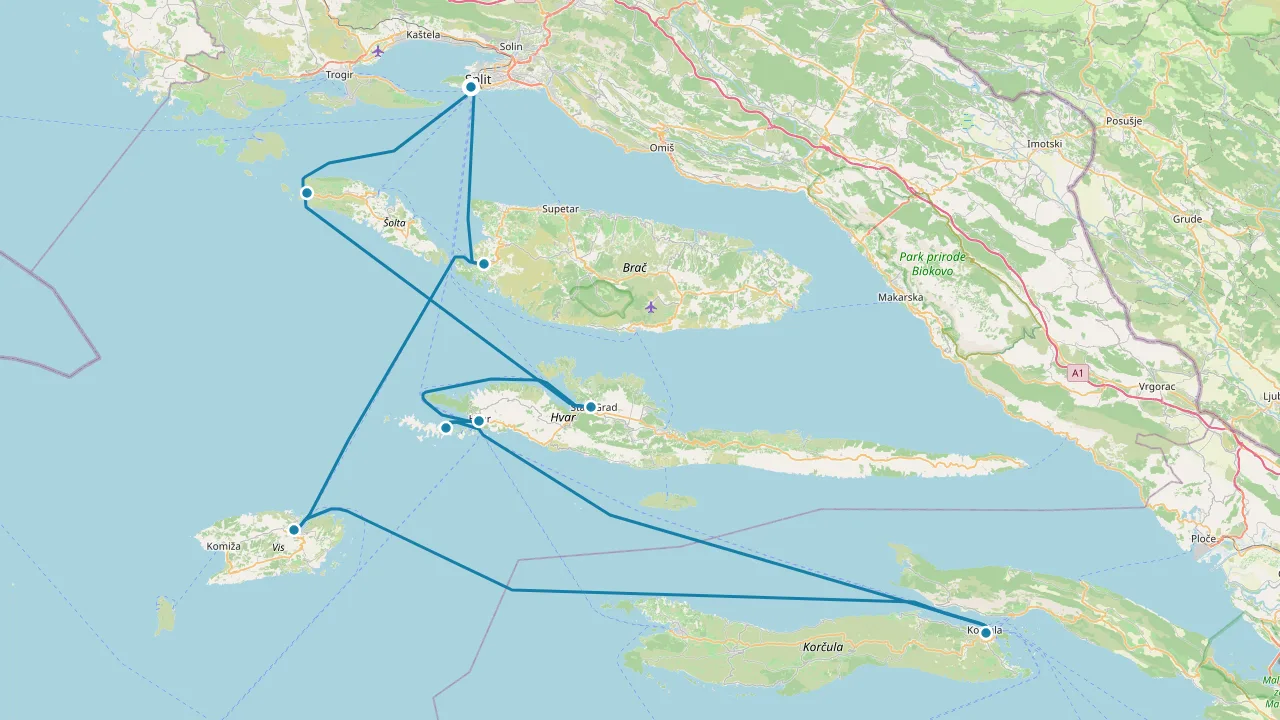
Secure comprehensive yacht insurance croatia policies that cover hull damage, third-party liability, and skipper liability before departure. Popular sailing routes croatia include the Split to Dubrovnik corridor and the Kornati Islands, though itineraries must account for seasonal mooring congestion and afternoon katabatic winds.
Confirm your documentation status early each season. Charter companies now rigorously verify non-EU licenses against Croatian Maritime Code standards prior to embarkation, and digital VHF certificates remain invalid despite updates to other maritime procedures.
Verify final requirements with your operator two weeks before departure.
Accepted Licenses for Croatia Yacht Charter: Reference Table
The following table summarizes the sailing qualifications accepted in Croatia for bareboat charter. Use it to check your eligibility before booking.
| License type | Accepted for bareboat? | Notes |
|---|---|---|
| International Certificate of Competence (ICC) | Yes | Most widely recognized; coastal or offshore endorsement required for larger vessels |
| RYA Day Skipper | Yes | Practical and theory certificates both required |
| RYA Coastal Skipper / Yachtmaster | Yes | No restrictions on vessel size |
| ASA 104 Bareboat Cruising | Yes | US-based sailors; higher ASA levels also accepted |
| US Sailing Bareboat Cruising | Yes | Must include practical assessment component |
| EU national licenses | Yes | From any EU member state, Switzerland, or Norway |
| Non-EU national licenses | Conditional | May require verification; check with your charter company |
| Tidal-restricted licenses | Yes | Croatian waters are non-tidal |
For VHF, the Short Range Certificate (SRC) or national equivalent is mandatory. One crew member must hold this; it cannot be the skipper's license alone.
Always verify your specific boat license Croatia bareboat eligibility with your charter company before departure, as they conduct final document checks.
Frequently asked questions
Is an ICC (International Certificate of Competence) required for bareboat charter in Croatia?
The ICC is widely accepted for bareboat charters in Croatia, provided you also carry a separate VHF radio operator's certificate. Croatian maritime authorities recognize this combination as proof of competence, though both documents must be original physical copies rather than digital versions during port check-ins.
Can I charter a yacht in Croatia with an RYA Day Skipper license?
Yes, the RYA Day Skipper Practical certificate is accepted for bareboat charters in Croatia when accompanied by a separate VHF radio license. RYA Coastal Skipper or Yachtmaster qualifications are also valid and offer broader international recognition should you plan to charter in other Mediterranean destinations later.
Do I need a VHF radio license to charter a boat in Croatia?
Yes, at least one crew member must hold a valid VHF radio operator's certificate. This is a strict legal requirement enforced by Croatian maritime authorities during port check-ins, and you cannot take control of the vessel without this document regardless of your sailing qualifications.
What documents must I show to the Croatian port authority before chartering?
You must present the original skipper's license, VHF certificate, passports for all crew, and a signed crew list. Croatian port authorities accept only physical original documents, and digital copies or photocopies are rejected during check-in procedures, so keep these papers secure throughout your charter.
What is the 12-person rule for yachts in Croatia?
Croatian maritime law limits all charter yachts to a maximum of 12 guests plus crew. This restriction applies regardless of the vessel's size or cabin count, existing primarily to maintain safety standards and satisfy mandatory insurance requirements for commercial charter operations.
How can I get a valid Croatian skipper license if I don't have one?
You can sit a local exam at any Croatian port authority to obtain a Boat Skipper Category B license. Alternatively, you may hire a professional skipper or join a flotilla charter, which allows you to sail under the supervision of a lead boat without holding the license yourself.
Check your physical skipper license and VHF certificate against Croatian requirements today. If you hold a non-EU license, contact your charter company immediately to verify acceptance or arrange official translation. Book peak season charters six months ahead, then reconfirm all paperwork two weeks before departure. Should your qualifications prove insufficient, budget €150–€200 daily for a professional skipper rather than risk €400 fines and vessel detention at check-in. Port authorities enforce these rules strictly; original documents remain non-negotiable, and digital copies will block your charter completely.
Explore next
Destination guide
Croatia
Croatia's Adriatic coast is a sailor's playground of islands, hidden bays, and historic ports. Choose your base and set sail.