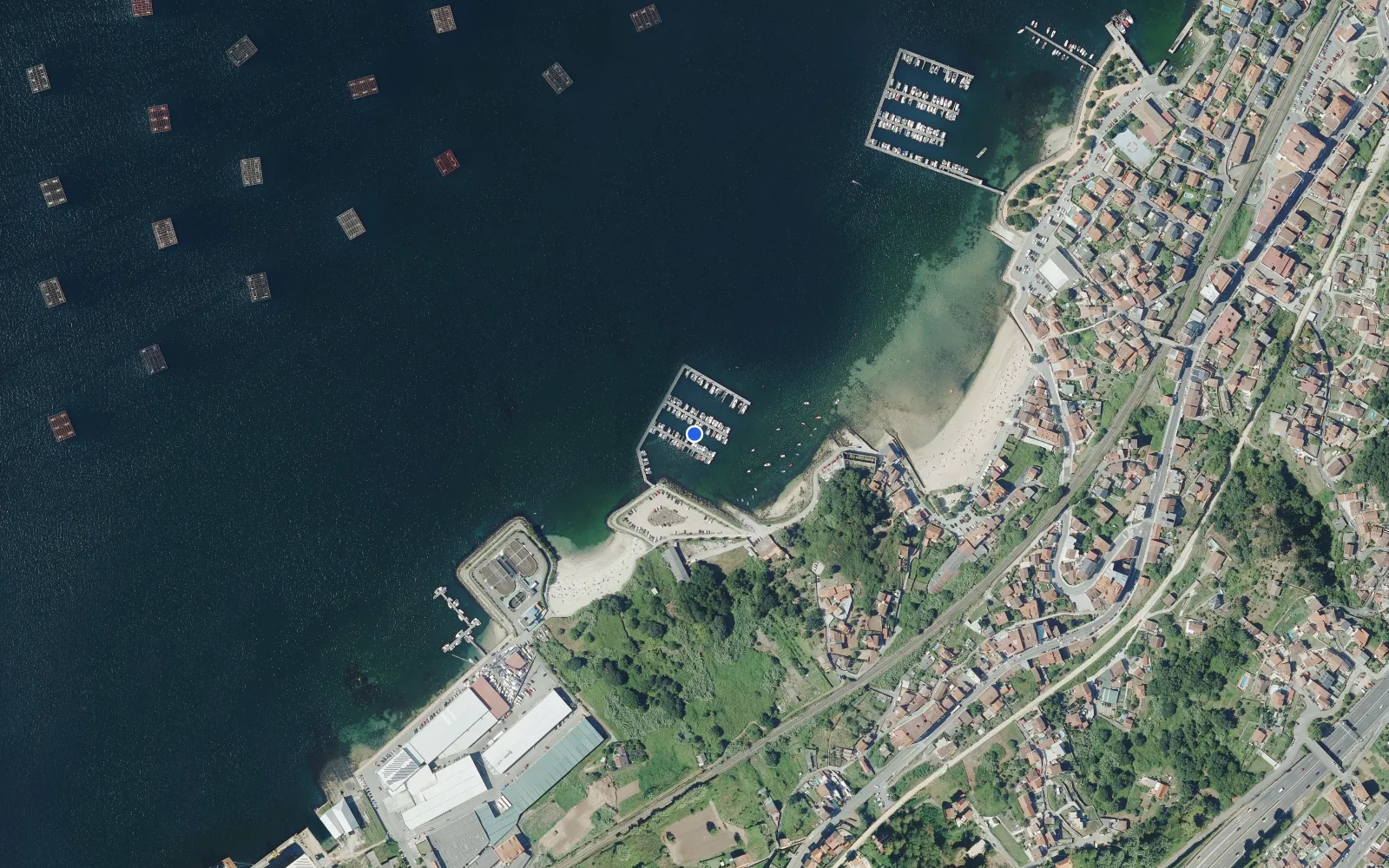
Full Description & Details
Puerto Deportivo de Gijon, known locally as El Muelle, sits in the centre of Gijon on the west side of the Santa Catalina hill, which holds the Cimadevilla neighbourhood. The marina was converted from the old industrial and fishing port between 1986 and 1991 and is operated by the Autoridad Portuaria de Gijon. It has held the Blue Flag continuously since 1996. The marina is about 200 metres from the city centre, with San Lorenzo Beach and the Elogio del Horizonte sculpture nearby.
The marina offers 780 berths for vessels up to 32 metres LOA, spread across five basins: the antepuerto (97 berths, used for transits), the inner basin (275 berths), the Fomentin basin (199 berths), the Fomento basin (199 berths), and a waiting pontoon with 10 berths. Depths range from 1.2 to 3.5 metres, though a 2017 report cited 1.8 to 3.8 metres at low water depending on the zone. The outer breakwater, Dique de Santa Catalina or Liquerique, protects the inner basins from heavy swell. Holding is on moorings within the marina.
Facilities include a fuel station offering diesel and benzine, and the marina monitors VHF channel 9. The Antigua Rula, a former fish market on Muelle Victoria, now houses a restaurant and exhibition space. Provisions are two minutes from the city centre, and the marina is within walking distance of shops, dining and the Cimadevilla historic quarter. The operator, Autoridad Portuaria de Gijon, can be reached by phone at +34 985179600.
Approach is straightforward in settled weather, but the outer breakwater is exposed to strong waves and serves as the main protection for the rest of the port. The marina has undergone renovation works, including dredging of the basins, which involved temporary drying. Best season is the summer months, when the marina hosts events such as the Solitaire du Figaro stopover. No overnight restrictions are noted in the sources.
How to get there
Approach Puerto Deportivo de Gijon on VHF channel 9. The marina lies at the west side of the Santa Catalina hill in central Gijon, with the outer breakwater, Dique de Santa Catalina or Liquerique, providing shelter. The entrance leads into the antepuerto, which has 97 transit berths, and then into the inner basins.
Depths range from 1.2 to 3.5 metres, so check the chart for your draft, especially at low water. The outer breakwater is exposed to strong waves, so time your approach for calmer conditions. Once inside, berths are available in the inner basin, Fomentin and Fomento basins, and a waiting pontoon with 10 spots.
The marina is about 200 metres from the city centre, with the Cimadevilla neighbourhood and San Lorenzo Beach nearby. The nearest airport is Asturias Airport, about 40 km away, and the marina is accessible by road from central Gijon. Contact the marina office by phone at +34 985179600 for berth allocation and formalities.
Frequently Asked Questions
How many berths does Puerto Deportivo de Gijon have and what is the maximum boat length?
Puerto Deportivo de Gijon has 780 berths for vessels up to 32 metres LOA, spread across five basins including the antepuerto, inner basin, Fomentin, Fomento, and a waiting pontoon.
What is the depth and draft limit at Puerto Deportivo de Gijon?
Depths at Puerto Deportivo de Gijon range from 1.2 to 3.5 metres, though a 2017 report cited 1.8 to 3.8 metres at low water depending on the zone. Check your draft against the latest chart before entering.
Does Puerto Deportivo de Gijon have fuel and what VHF channel does it use?
Puerto Deportivo de Gijon has a fuel station offering diesel and benzine, and it monitors VHF channel 9 for communications.
Is Puerto Deportivo de Gijon close to the city centre and what is nearby?
Puerto Deportivo de Gijon is about 200 metres from the city centre, with the Cimadevilla neighbourhood, San Lorenzo Beach, and the Elogio del Horizonte sculpture nearby. The Antigua Rula, a former fish market, now houses a restaurant.
What is the best season to visit Puerto Deportivo de Gijon?
The summer months are the best season to visit Puerto Deportivo de Gijon, when the marina hosts events such as the Solitaire du Figaro stopover. The outer breakwater is exposed to strong waves, so plan for calmer conditions.
More sailing guides
Bareboat Sailing in Spain: Requirements and Licences
Everything you need to bareboat charter in Spain: accepted licences, flag-state rules, VHF requirements, and what to do if yours isn't accepted.
Yacht Charter Cost in Spain: What to Expect and How to Save
Real yacht charter costs in Spain by boat type, season, and region, plus what's included, hidden fees, and practical ways to cut the price.
How to Charter a Yacht in Spain: A Step-by-Step Guide
A step-by-step guide to chartering a yacht in Spain: choosing a charter type, budgeting, licences, booking, and what to expect once you're aboard.
Yacht Charter Provisioning Guide: Expert Tips & Checklists
Plan your sailing holiday like a pro with our yacht charter provisioning guide—food lists, meal planning, local market tips, and essential advice for every itinerary.

Best Yacht Type for Group Charters: How to Choose
Discover the best yacht types for group charters, from family reunions to corporate events. Compare sailing yacht options, capacity, cost, amenities, and legal limits.
What Information Is Needed to Book a Sailing Yacht Charter?
Discover the key information, documents, and requirements needed to book a sailing yacht charter. Learn what details charter companies need for a smooth reservation.
Yacht Charter Deposit Insurance: What It Covers & Why You Need It
Understand yacht charter deposit insurance: what it covers, costs, differences from security deposits, and how it protects your sailing holiday or commercial charter.
Related places
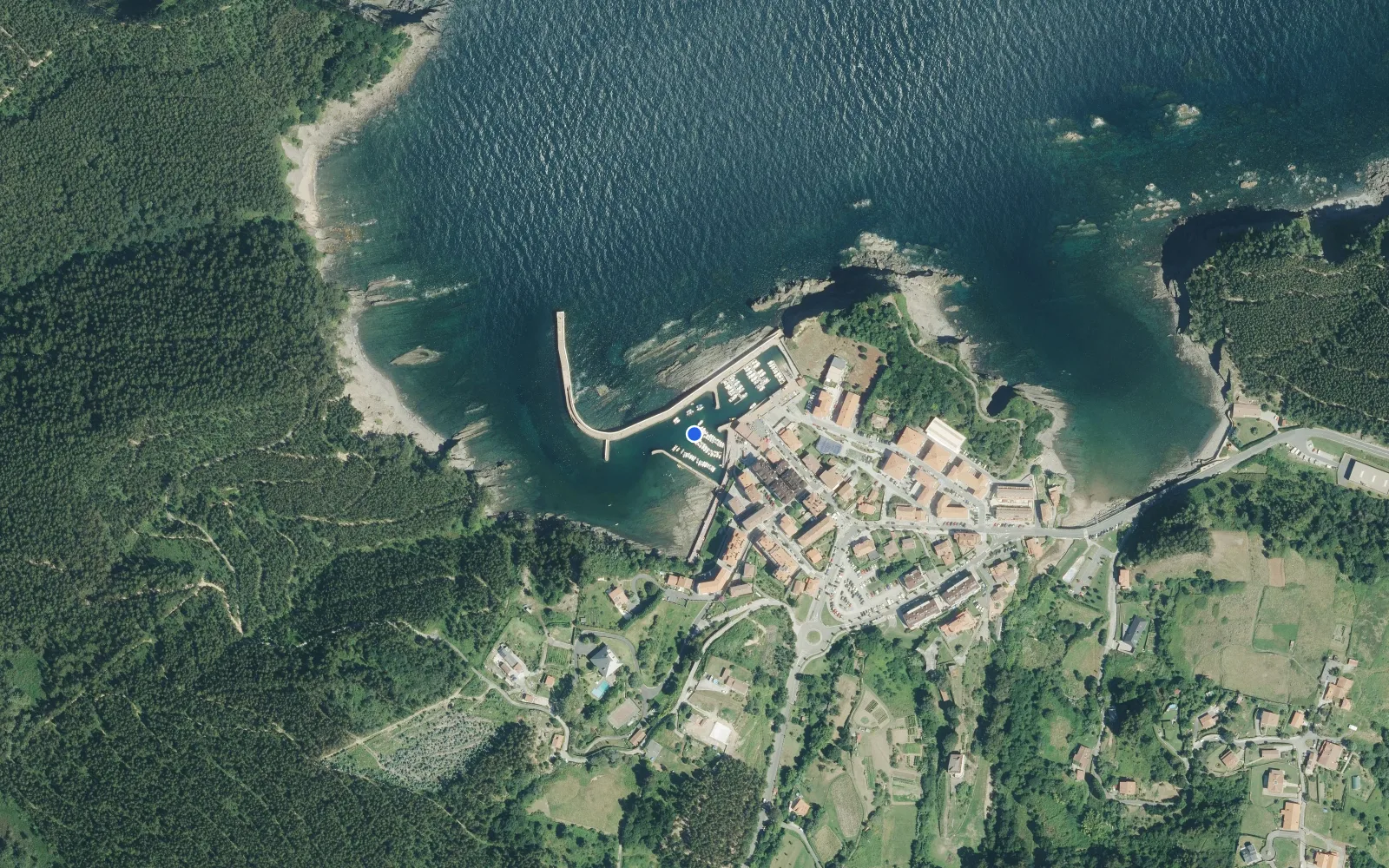
Armintza Portua
Dársena del puerto
Hondarribia - Aeropuerto
Puerto deportivo de Celorio
Alcaidesa Marina
Alcudiamar
AMARILLA MARINA (Marina San Miguel)
Badia de Tossa
Embarcadero de Sa Tuna
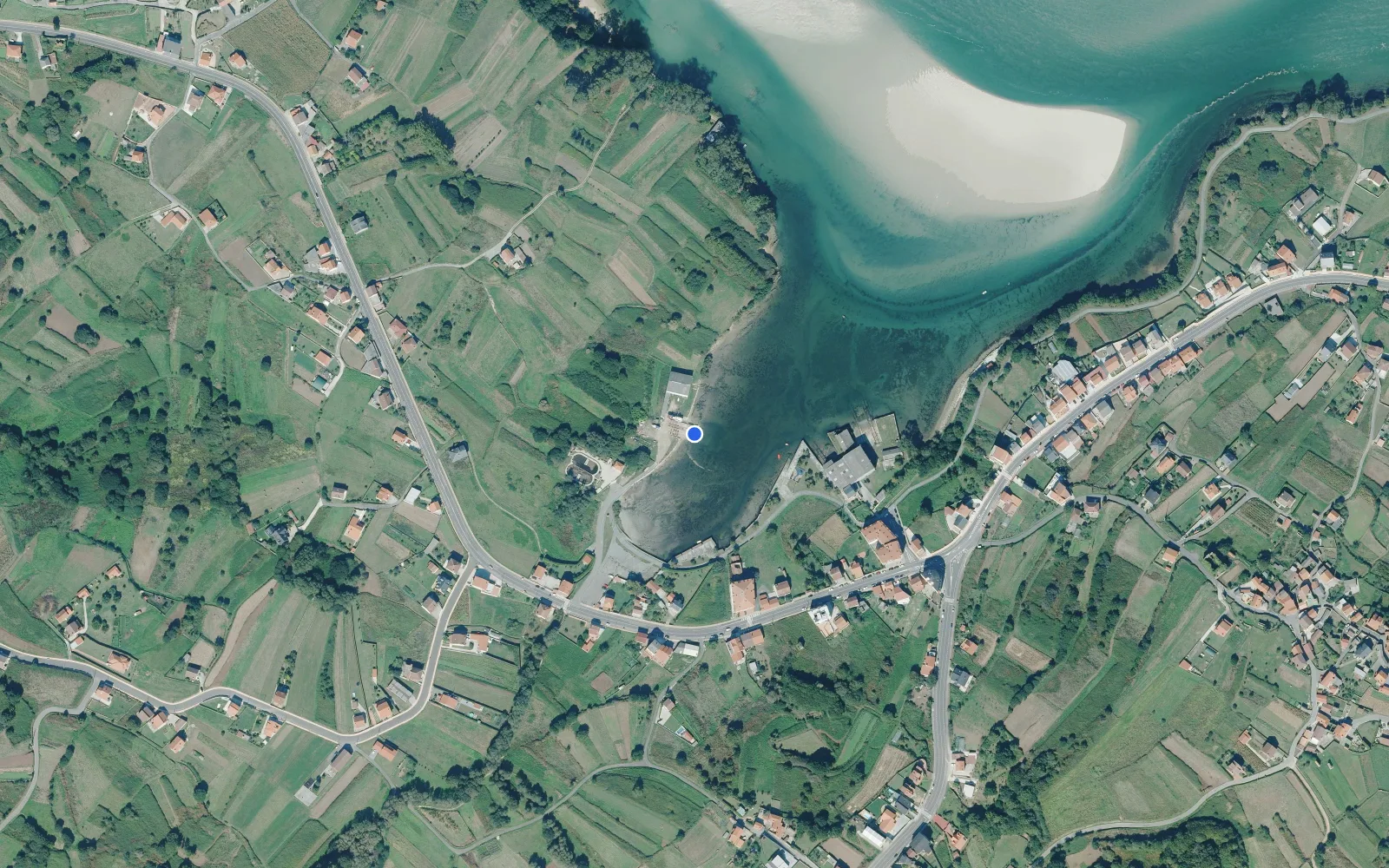
Enseada do Loeiro
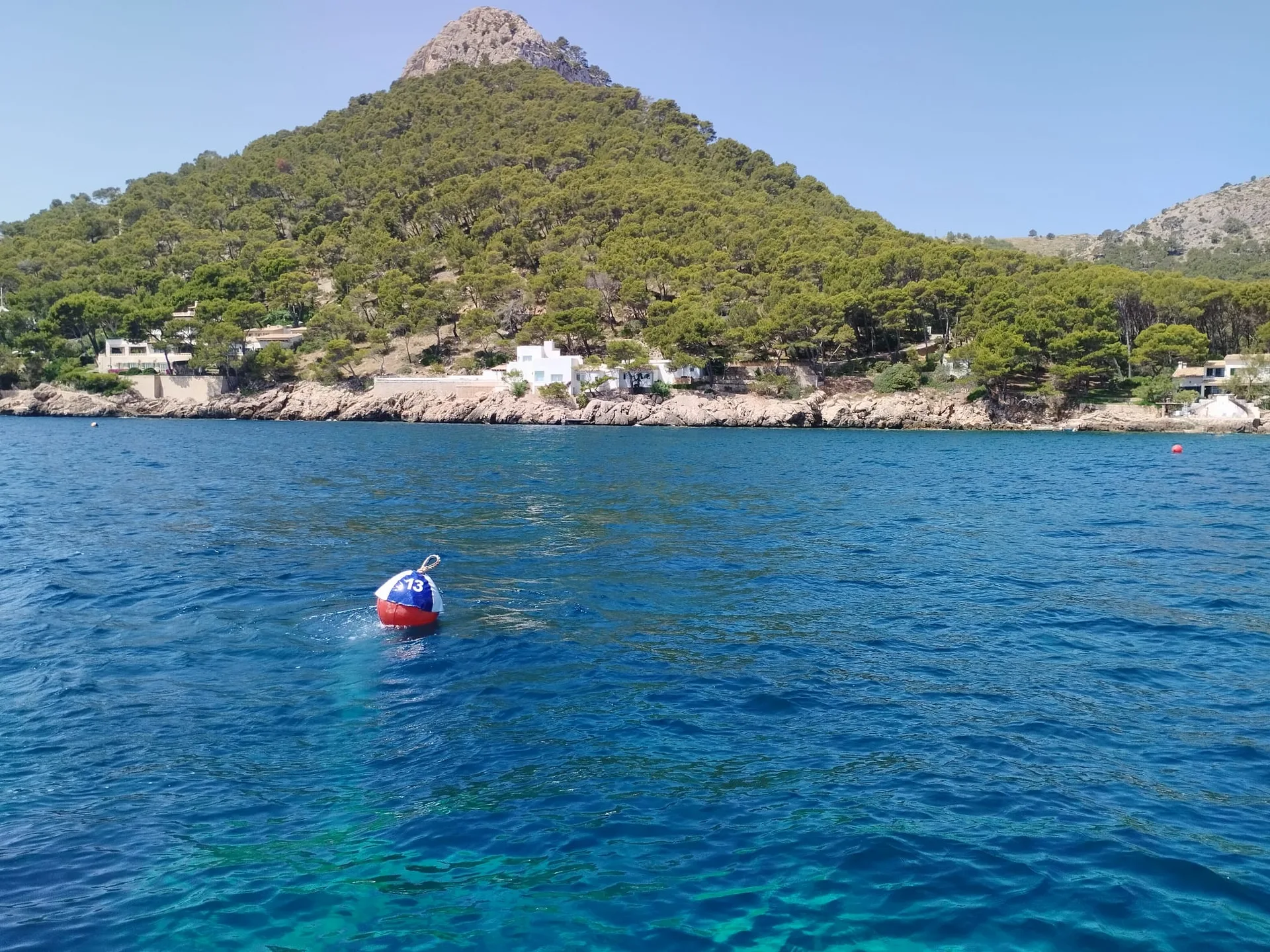
Formentor buoys