Full Description & Details
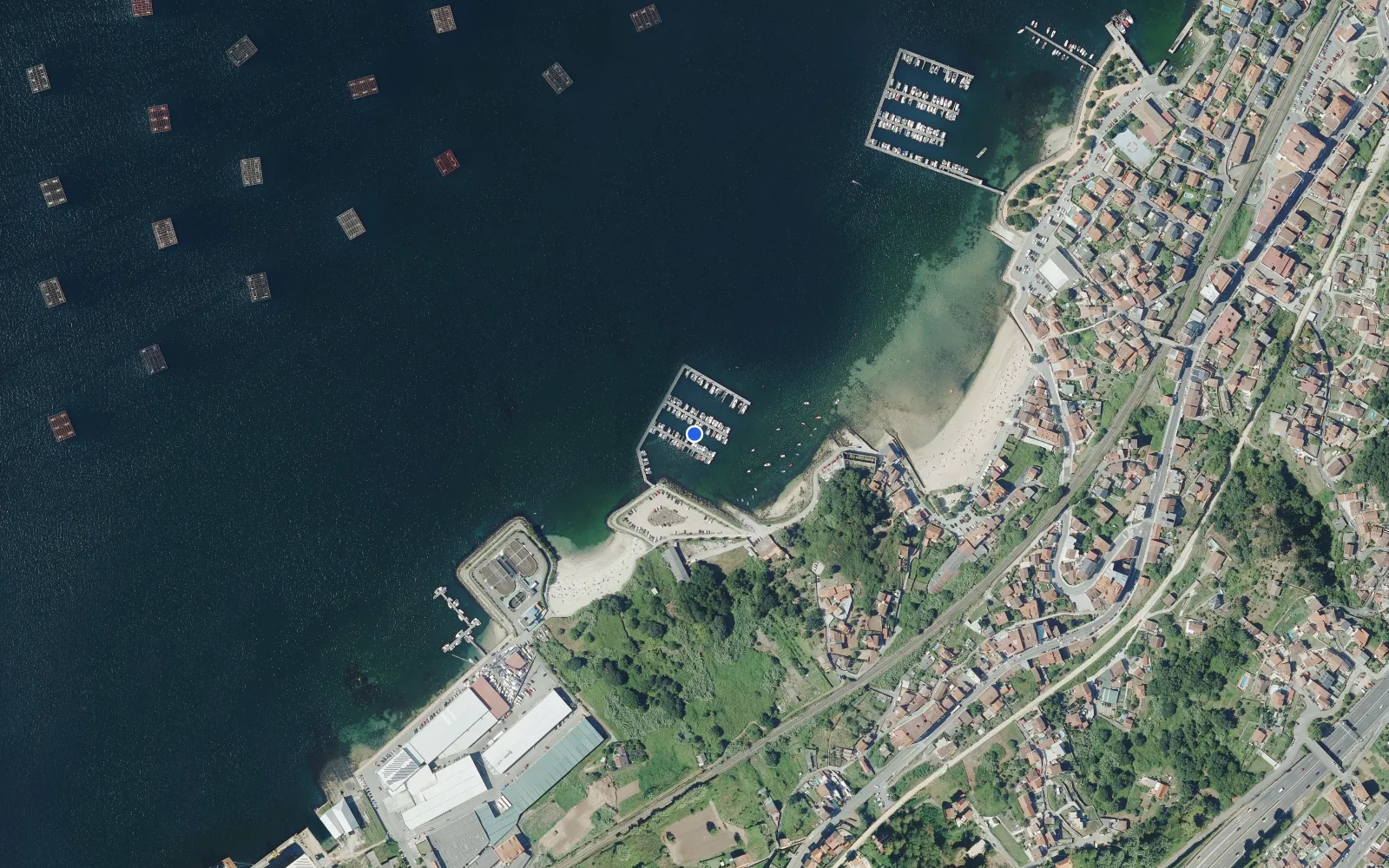
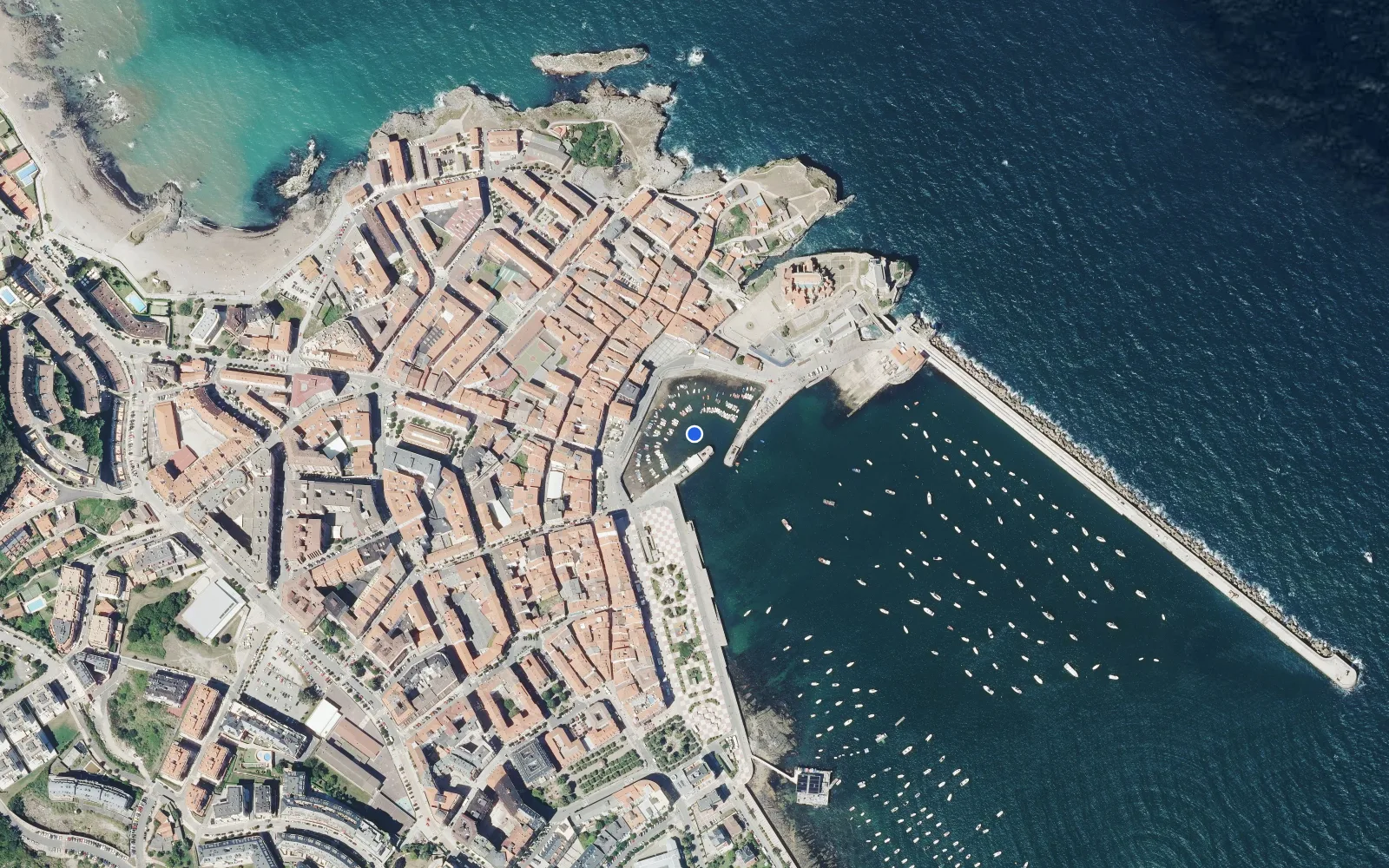
Puerto deportivo de Cudillero, also known as Cuideiru, is a small fishing and sports harbour set directly in the village of Cudillero on the Asturian coast of northern Spain. The harbour sits immediately west of Punta Rebollera and is sheltered by two breakwaters that run from its eastern and western ends, along with the Las Colinas rocks. The village's colourful houses rise in terraces around the port like an amphitheatre, and the marina is right at the centre of town, with no distance between the berths and the streets.
The harbour dries at low tide, so it is suitable only for small craft and fishing boats. The basin has a maximum depth of 8 metres and a minimum of 3 metres, with a mouth draught of 5 metres and a mouth width of 40 metres. There are 83 fixed berths, all of which are usually occupied, plus 20 anchor moorings in the harbour. The maximum recommended length is 30 metres, though the maximum draft is 3 metres. Overnight stays are allowed. The new basin is formed by two breakwaters, the Dique del Moro and the Dique de Abrigo, along with the Isla de la Cruz, and is entered through a channel built under the shelter of the old west breakwater.
Facilities at the marina include water and electricity at the moorings, fuel in diesel and unleaded, a crane, a dry dock ramp, a dry dock, a pressure washer, and a marina seca. There is rubbish collection, oil and hazardous waste collection, and waste water collection. The village has supermarkets, a pharmacy, restaurants, and hotels. The Club Nautico Cudillero runs the marina and can be reached by phone at 671663887 or through its website.
Approach lights are at Punta Rebollera, with the east breakwater showing Gp D(3)R 9s 10m 3M and the west breakwater showing Gp D(3)VR 9s 5m 2M. The marina is usually full, so calling ahead on VHF channel 9 is advisable. The harbour dries at low tide, so timing entry with the tide is essential. Distances to nearby ports are Aviles 9 nautical miles, Luarca 21, Navia 30, Tapia 41, and Ribadeo 45.
How to get there
Approach Cudillero from the west of Punta Rebollera, where the harbour is sheltered by the Las Colinas rocks. The entrance channel is built under the shelter of the old west breakwater, leading into the new basin formed by the Dique del Moro and the Dique de Abrigo. The mouth has a draught of 5 metres and a width of 40 metres.
Contact the marina on VHF channel 9 before entering, as the 83 berths are usually occupied and the harbour dries at low tide. The marina is in the village of Cudillero itself, so land access is immediate. The village is reached by the A-8 motorway and the AS-I, AS-II, and N-632 roads.
Public bus service and a train station are available, along with taxis. The nearest major port is Aviles, 9 nautical miles away.
Frequently Asked Questions
What is the maximum length and draft for a boat at Puerto deportivo de Cudillero?
The maximum recommended length is 30 metres, and the maximum draft is 3 metres. The basin depth ranges from 3 to 8 metres.
Does Puerto deportivo de Cudillero have fuel available?
Yes, Puerto deportivo de Cudillero supplies diesel and unleaded fuel. You need to call the marina office phone to arrange fuel delivery.
What VHF channel should I use to contact Puerto deportivo de Cudillero?
Contact Puerto deportivo de Cudillero on VHF channel 9. The marina is usually full, so calling ahead is recommended.
Can I stay overnight at Puerto deportivo de Cudillero?
Yes, overnight stays are allowed at Puerto deportivo de Cudillero. There are 83 berths and 20 anchor moorings available in the harbour.
Is Puerto deportivo de Cudillero suitable for large boats?
No, Puerto deportivo de Cudillero is suitable for small craft only because the harbour dries at low tide. The maximum recommended length is 30 metres, but the drying nature of the harbour limits larger vessels.
More sailing guides
Bareboat Sailing in Spain: Requirements and Licences
Everything you need to bareboat charter in Spain: accepted licences, flag-state rules, VHF requirements, and what to do if yours isn't accepted.
Yacht Charter Cost in Spain: What to Expect and How to Save
Real yacht charter costs in Spain by boat type, season, and region, plus what's included, hidden fees, and practical ways to cut the price.
How to Charter a Yacht in Spain: A Step-by-Step Guide
A step-by-step guide to chartering a yacht in Spain: choosing a charter type, budgeting, licences, booking, and what to expect once you're aboard.
Yacht Charter Provisioning Guide: Expert Tips & Checklists
Plan your sailing holiday like a pro with our yacht charter provisioning guide—food lists, meal planning, local market tips, and essential advice for every itinerary.

Best Yacht Type for Group Charters: How to Choose
Discover the best yacht types for group charters, from family reunions to corporate events. Compare sailing yacht options, capacity, cost, amenities, and legal limits.
What Information Is Needed to Book a Sailing Yacht Charter?
Discover the key information, documents, and requirements needed to book a sailing yacht charter. Learn what details charter companies need for a smooth reservation.
Yacht Charter Deposit Insurance: What It Covers & Why You Need It
Understand yacht charter deposit insurance: what it covers, costs, differences from security deposits, and how it protects your sailing holiday or commercial charter.
Related places
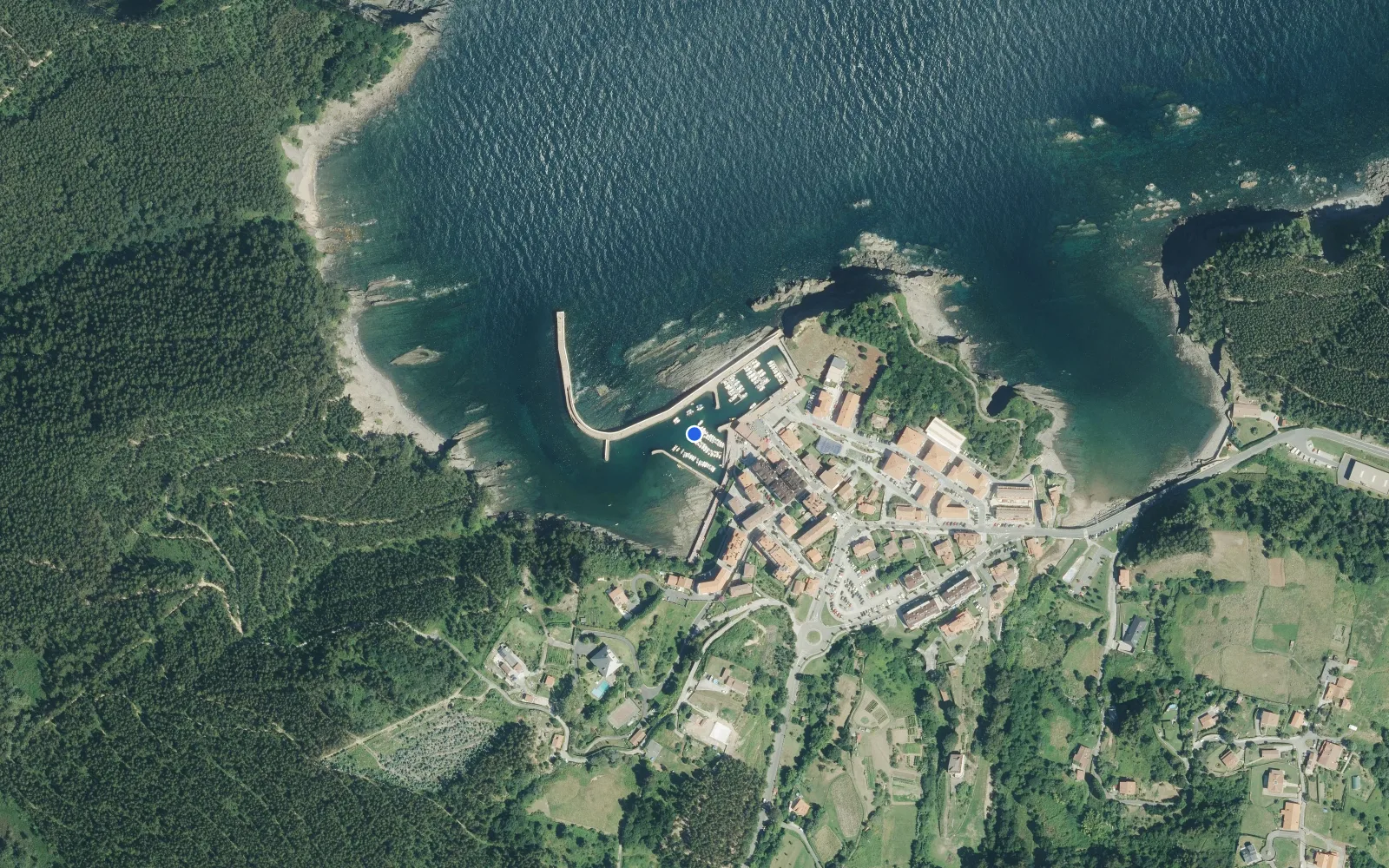
Armintza Portua
Dársena del puerto
Hondarribia - Aeropuerto
Puerto deportivo de Celorio
Alcaidesa Marina
Alcudiamar
AMARILLA MARINA (Marina San Miguel)
Badia de Tossa
Embarcadero de Sa Tuna
Enseada do Loeiro
Formentor buoys