Full Description & Details
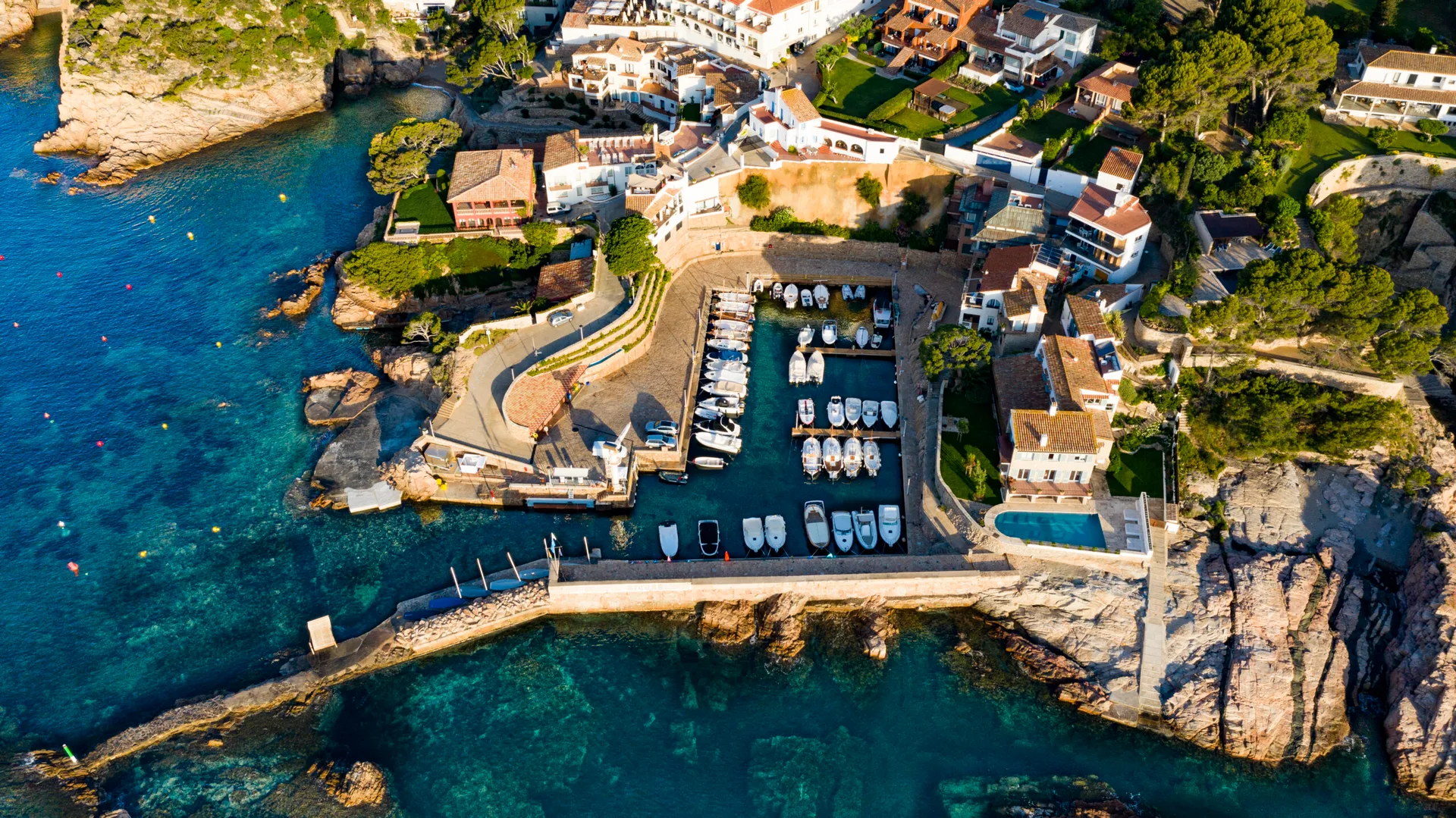
Port de Roses is a marina on the northern side of the fishing port of Roses, on the Costa Brava in Catalonia, Spain. It sits within the town of Roses, in the Upper Emporda region, and is exposed to the Tramuntana and Llevant winds. The marina is part of a working harbour that also includes a fishing dock, so you will share the water with local fishing boats and their activity.
The marina offers 483 to 487 moorings, depending on the source, with lengths from 6 to 45 metres. Of these, 363 to 375 are for permanent mooring holders, while the rest are available for visiting boats on a daily or short-term basis. The entrance has a 70-metre-wide opening to the south with a draught of 9 metres, and the minimum draught inside the port is 2 metres. Mooring is stern-to-dock with mooring lines, and the holding is on concrete blocks with chains and capstans.
Facilities include electricity, water, showers, restrooms, fuel (diesel at 1.62 euros per litre and RON 95 petrol at 1.57 euros per litre), a sewage water facility, Wi-Fi, a boat ramp, recycling, bicycle and car rental, video surveillance, a night watchman, a laundromat, and ice for sale. The harbour master's office is on site, and you can reserve a mooring by phone at 972 154 412 or by email at [email protected]. Overnight stays are allowed.
The port is open year-round, but the best season for sailing is typically the summer months when the weather is more settled. The Tramuntana wind can bring strong northerly gusts, so check the forecast before approaching. The marina has an insurance policy as required by law, and visiting boats should carry liability insurance. There are no specific restrictions mentioned beyond the general rule that a boat must not exceed the size of its allocated mooring.
How to get there
Approach Port de Roses from the south, entering through the 70-metre-wide opening with a draught of 9 metres. The marina is located on the northern side of the fishing port, so keep to the north after passing the entrance. The minimum draught inside is 2 metres, so deeper-draft vessels should stay in the central channel.
There are no specific VHF channels mentioned, but you can contact the harbour master's office by phone at 972 154 412 for berthing instructions. By road, take the AP-7 motorway from Tarragona, Barcelona, or Girona, exit at junction 3, then follow the N-II and continue on the C-260 to Roses. The nearest railway station is at Figueres, 17 km away.
Girona airport is 70.4 km from the port, Perpignan airport is 82.1 km, and Barcelona airport is 169 km. The marina is integrated into the urban space of Roses, so shops, restaurants, and tourist facilities are within walking distance.
Frequently Asked Questions
How many moorings does Port de Roses have and what sizes?
Port de Roses has 483 to 487 moorings, ranging from 6 to 45 metres in length. Of these, 363 to 375 are for permanent mooring holders, and the rest are for visiting boats on a daily or short-term basis.
What is the depth and entrance draught at Port de Roses?
The entrance to Port de Roses has a draught of 9 metres, and the minimum draught inside the port is 2 metres. The entrance opening is 70 metres wide to the south.
Does Port de Roses have fuel and what are the prices?
Yes, Port de Roses has fuel available. Diesel costs 1.62 euros per litre and RON 95 petrol costs 1.57 euros per litre.
Can I stay overnight at Port de Roses?
Yes, overnight stays are allowed at Port de Roses. The marina has moorings available for daily or short-term visits, and you can reserve by phone at 972 154 412 or by email at [email protected].
What facilities are available at Port de Roses?
Port de Roses offers electricity, water, showers, restrooms, a sewage water facility, Wi-Fi, a boat ramp, recycling, bicycle and car rental, video surveillance, a night watchman, a laundromat, and ice for sale.
More sailing guides
Bareboat Sailing in Spain: Requirements and Licences
Everything you need to bareboat charter in Spain: accepted licences, flag-state rules, VHF requirements, and what to do if yours isn't accepted.
Yacht Charter Cost in Spain: What to Expect and How to Save
Real yacht charter costs in Spain by boat type, season, and region, plus what's included, hidden fees, and practical ways to cut the price.
How to Charter a Yacht in Spain: A Step-by-Step Guide
A step-by-step guide to chartering a yacht in Spain: choosing a charter type, budgeting, licences, booking, and what to expect once you're aboard.
Yacht Charter Provisioning Guide: Expert Tips & Checklists
Plan your sailing holiday like a pro with our yacht charter provisioning guide—food lists, meal planning, local market tips, and essential advice for every itinerary.

Best Yacht Type for Group Charters: How to Choose
Discover the best yacht types for group charters, from family reunions to corporate events. Compare sailing yacht options, capacity, cost, amenities, and legal limits.
What Information Is Needed to Book a Sailing Yacht Charter?
Discover the key information, documents, and requirements needed to book a sailing yacht charter. Learn what details charter companies need for a smooth reservation.
Yacht Charter Deposit Insurance: What It Covers & Why You Need It
Understand yacht charter deposit insurance: what it covers, costs, differences from security deposits, and how it protects your sailing holiday or commercial charter.
Related places
Associació Front al Mar
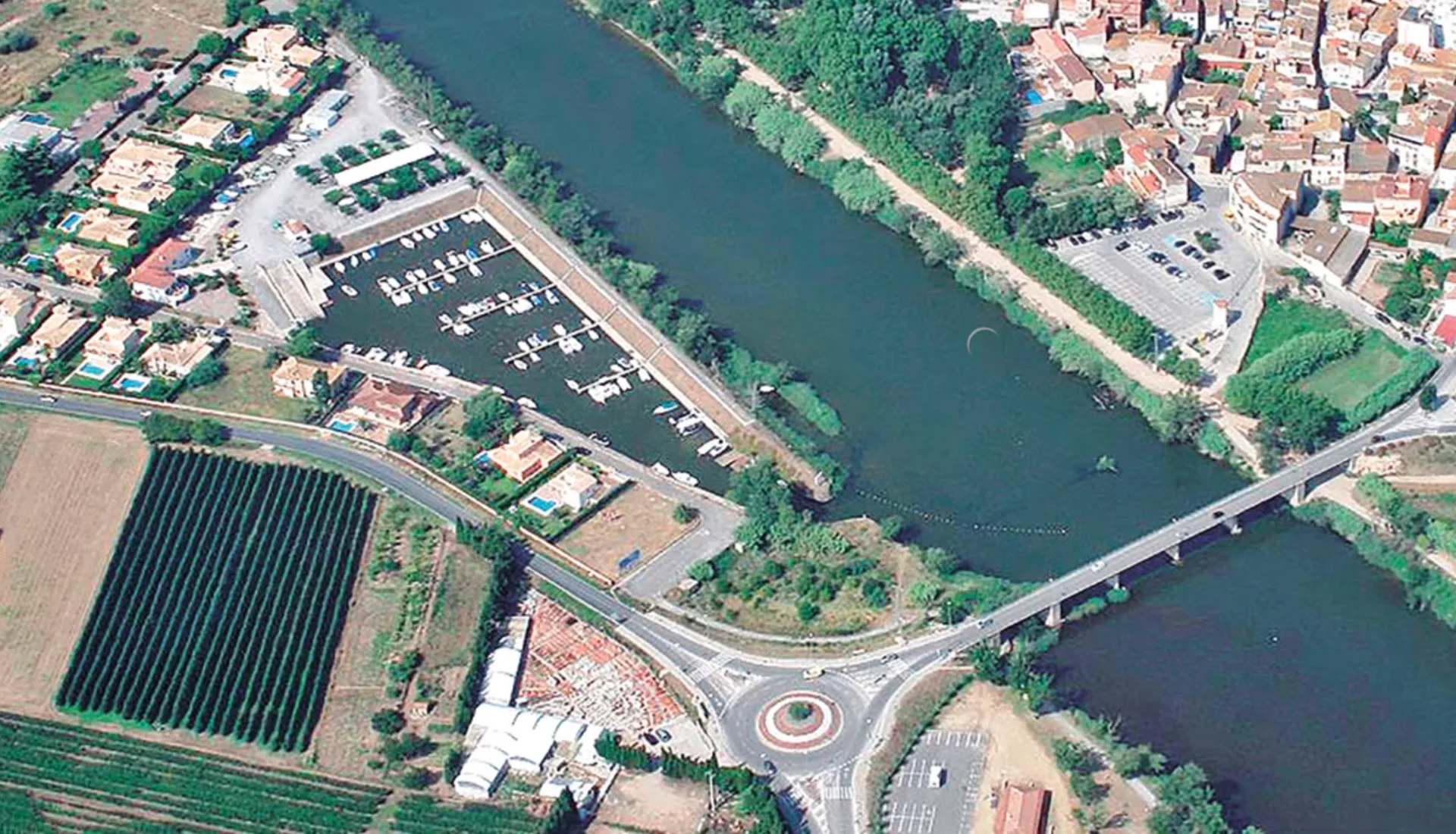
Club Nautic Sant Pere Pescador
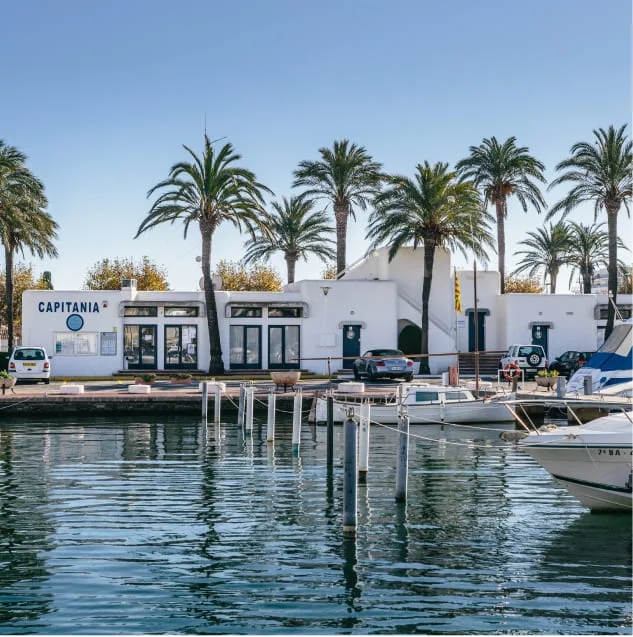
Empuriabrava
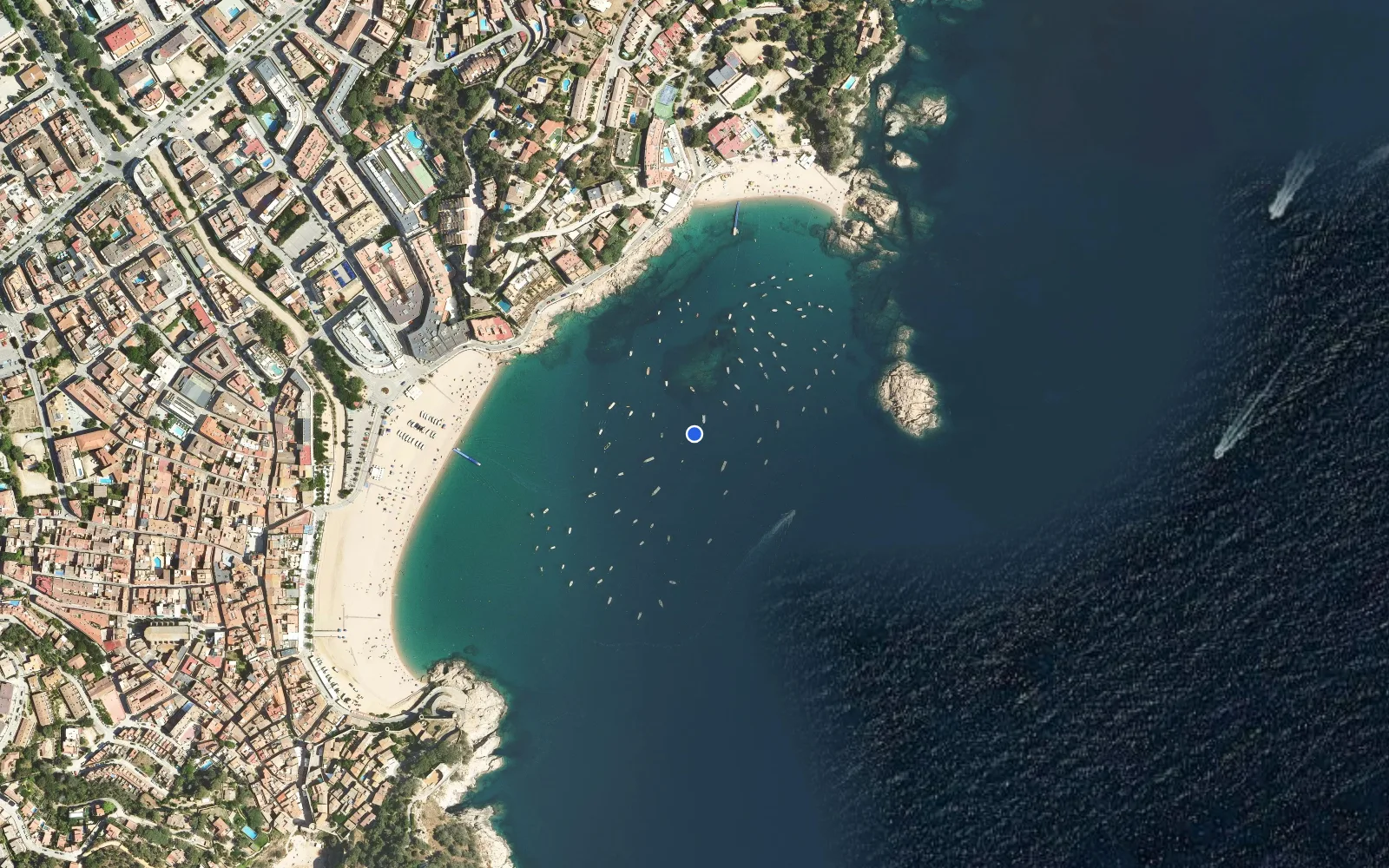
Badia de Tossa
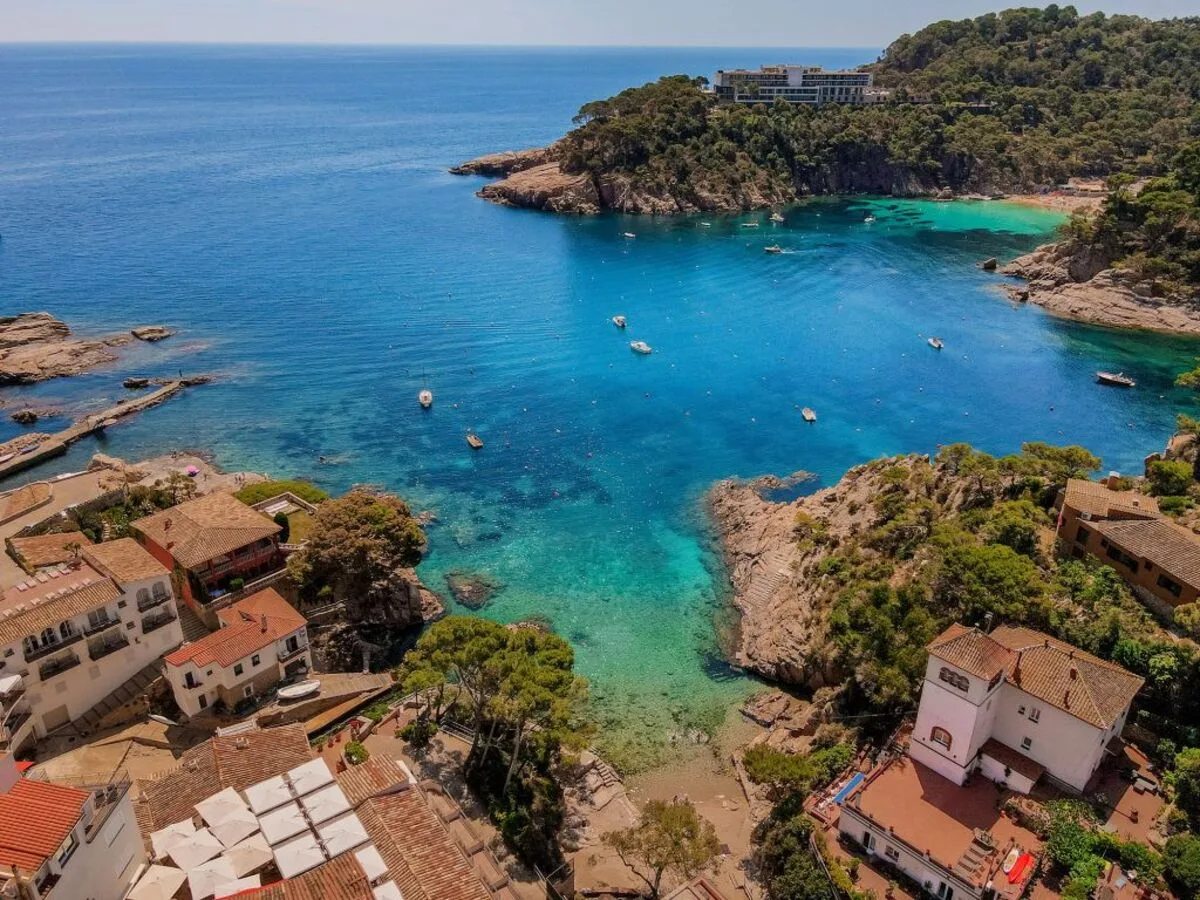
Embarcadero de Sa Tuna
Alcaidesa Marina
Alcudiamar
AMARILLA MARINA (Marina San Miguel)
Enseada do Loeiro
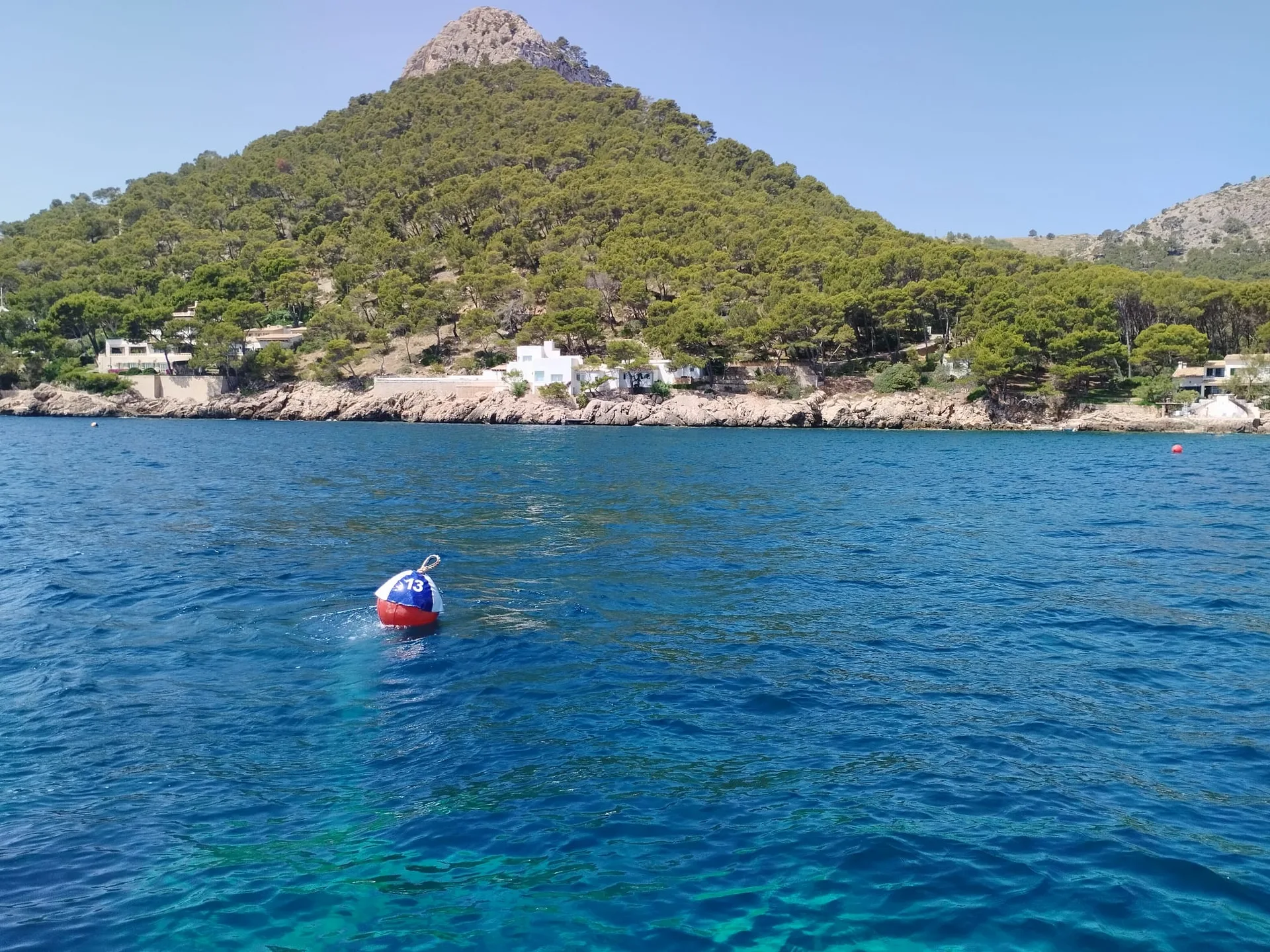
Formentor buoys
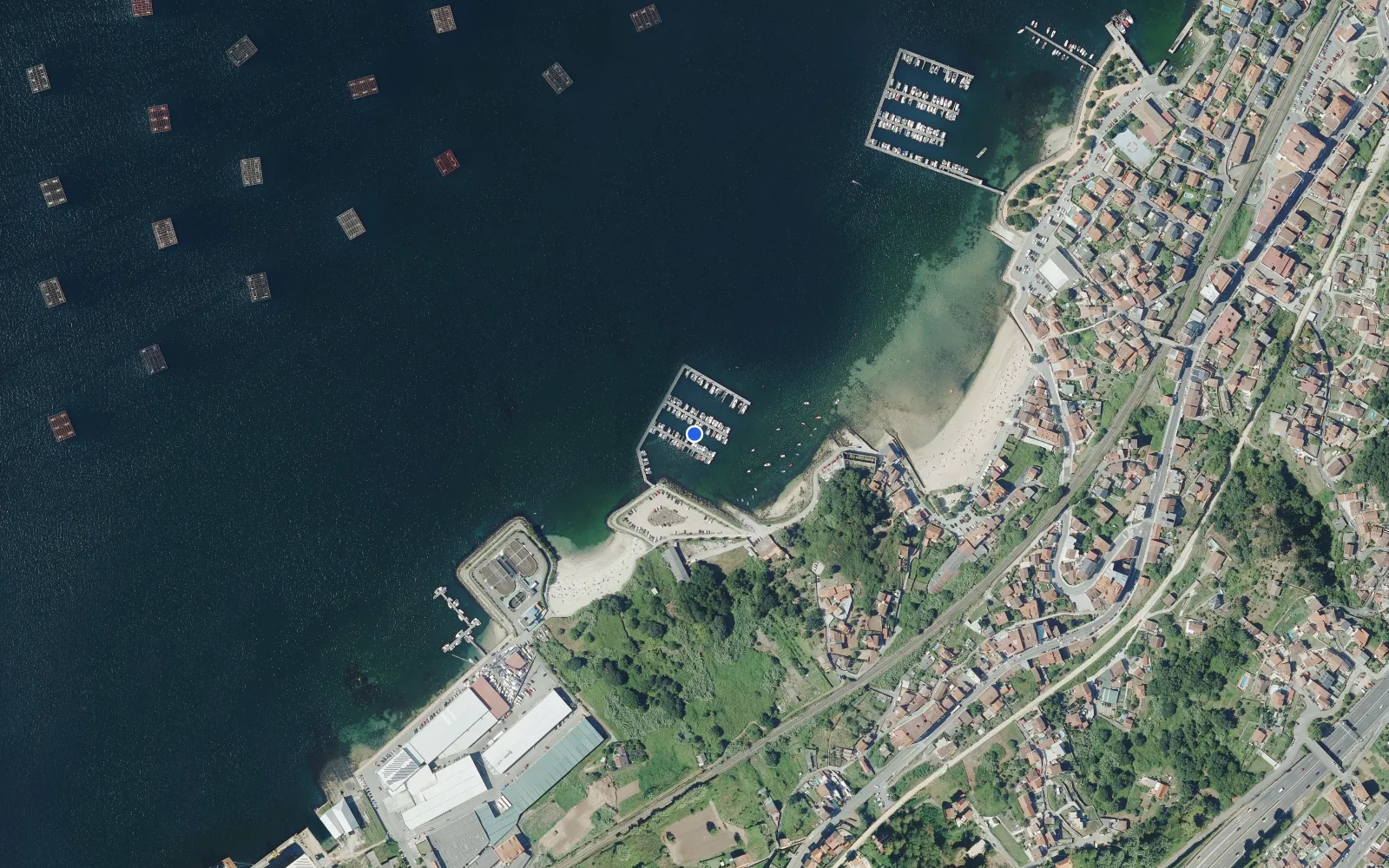
Peirao de Chapela