Full Description & Details
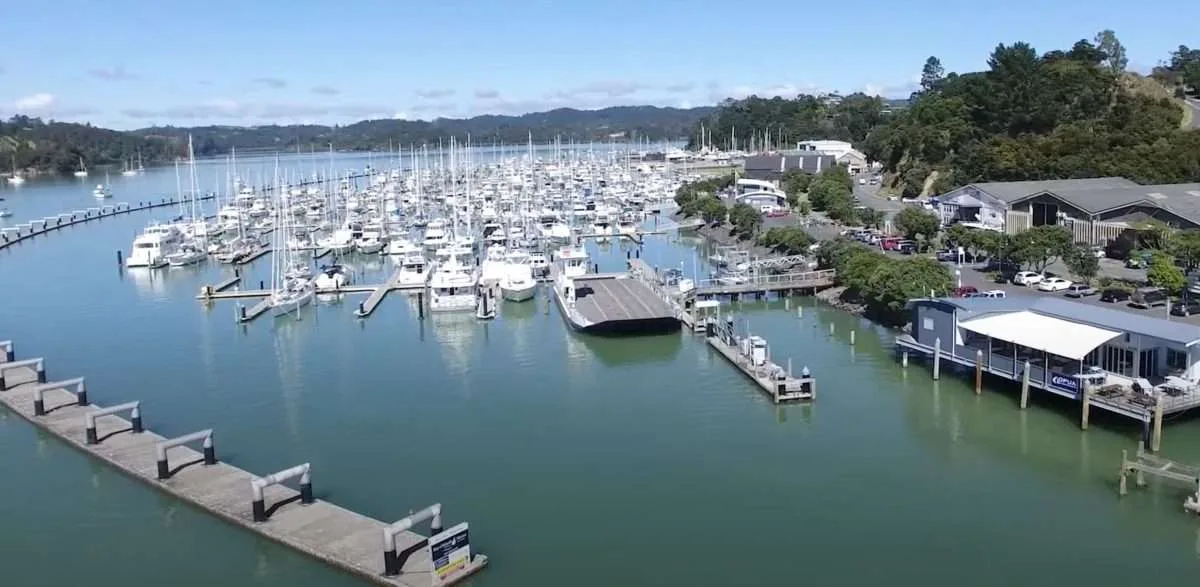
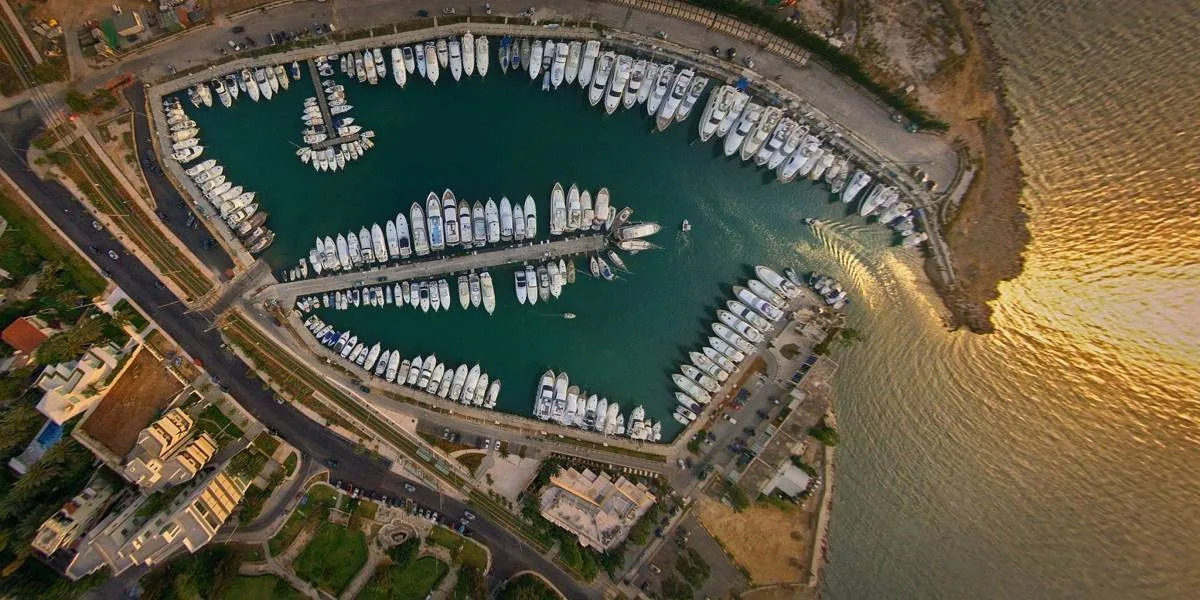
Viaduct Harbour, also known as the Auckland Viaduct, is a prestigious marina and a residential, commercial, and entertainment district located in Auckland, New Zealand. Originally a commercial harbour, the area has been transformed into a development of mostly upscale apartments, office space, and restaurants. This iconic maritime hub brims with a unique blend of cultural vibrancy, cosmopolitan ambiance, world-class infrastructure, and an incredible array of boating services. Location Viaduct Harbour sits in the heart of Auckland City, New Zealand's largest metropolis. The harbour is located on the Waitemata Harbour's western edge, bordered by the Central Business District (CBD). It's a focal point of the Auckland waterfront and is accessible from Halsey Street, Hobson Street, and Lower Hobson Street.
Approach to the Marina (Marina Entry and Navigation) Approaching Viaduct Harbour is straightforward. The entrance channel is well-marked, leading into the Waitemata Harbour from the Hauraki Gulf. Mariners should keep a vigilant eye for local ferries and commercial traffic, but navigating into the marina is relatively simple. The main channel is deep and wide, easily accommodating large vessels. Once inside, mariners can contact the Viaduct Harbour Marina office for berthing instructions and guidance. The wellbeing of Waitemata Harbour is closely intertwined with the health and prosperity of local community and marine life.
In our bid to maintain a safe, healthy, and environmentally friendly marina, it's essential that all visitors, residents, contractors, and employees of Viaduct Harbour Marina are equipped with relevant information and adhere to our safety guidelines. Before your arrival at the marina, please ensure you are ready to present proof of the following: Insurance for hull damage, including salvage: This document is necessary to confirm that your vessel is adequately insured in case of any hull damage or salvage requirements. Liability Insurance Certificate ($10M): This certificate should show that your boat is covered to a minimum of $10 million for any public liability incidences. Electrical Warrant of Fitness (EWoF): If you plan to use our electricity facilities, we require an EWoF, which needs to be shown and photographed by one of our Viaduct Harbour ambassadors. It's critical to remember that every vessel is required to show these insurance proofs before entering our marina. Kindly note that we do not provide lines or fenders, and any such requirements will need to be managed by the vessel owner or captain.
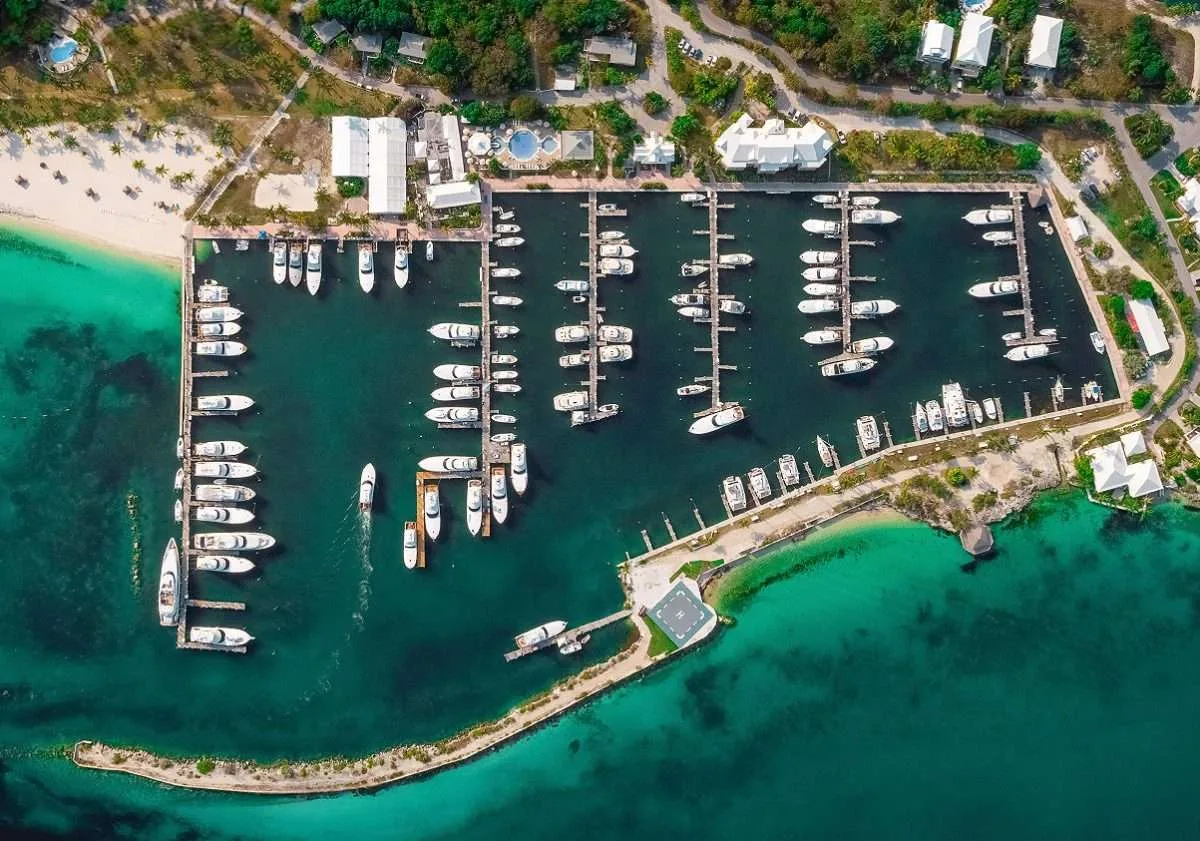
Specifications of the Marina Viaduct Harbour is home to a world-class marina facility. It boasts about 150 berths, catering to a variety of boats, including superyachts, cruising yachts, and local boats. The marina can comfortably accommodate vessels up to 60 metres in length and with a draft of up to 5 metres. The berths are well-equipped with all the necessary amenities to ensure a comfortable stay for the boat owners and their
How to get there
Approaching Viaduct Harbour is straightforward. The entrance channel is well-marked, leading into the Waitemata Harbour from the Hauraki Gulf. Mariners should keep a vigilant eye for local ferries and commercial traffic, but navigating into the marina is relatively simple.
The main channel is deep and wide, easily accommodating large vessels. Once inside, mariners can contact the Viaduct Harbour Marina office for berthing instructions and guidance. The wellbeing of Waitemata Harbour is closely intertwined with the health and prosperity of local community and marine life.
In our bid to maintain a safe, healthy, and environmentally friendly marina, it's essential that all visitors, residents, contractors, and employees of Viaduct Harbour Marina are equipped with relevant information and adhere to our safety guidelines. Before your arrival at the marina, please ensure you are ready to present proof of the following: Insurance for hull damage, including salvage: This document is necessary to confirm that your vessel is adequately insured in case of any hull damage or salvage requirements. Liability Insurance Certificate ($10M): This certificate should show that your boat is covered to a minimum of $10 million for any public liability incidences.
Electrical Warrant of Fitness (EWoF): If you plan to use our electricity facilities, we require an EWoF, which needs to be shown and photographed by one of our Viaduct Harbour ambassadors. It's critical to remember that every vessel is required to show these insurance proofs before entering our marina. Kindly note that we do not provide lines or fenders, and any such requirements will need to be managed by the vessel owner or captain.
Frequently Asked Questions
What is the maximum vessel length and draft at Viaduct Harbour Marina?
Viaduct Harbour Marina can accommodate vessels up to 60 metres in length and with a draft of up to 5 metres.
How many berths are available at Viaduct Harbour Marina?
Viaduct Harbour Marina has about 150 berths, catering to superyachts, cruising yachts, and local boats.
What amenities are provided at Viaduct Harbour Marina?
Amenities include wifi, provisions, showers, restaurant, laundry, power, and water.
What documents are required before entering Viaduct Harbour Marina?
You must present proof of hull damage insurance including salvage, a liability insurance certificate of at least $10 million, and an Electrical Warrant of Fitness (EWoF) if using electricity.
Does Viaduct Harbour Marina provide lines or fenders?
No, Viaduct Harbour Marina does not provide lines or fenders; vessel owners or captains must manage these themselves.
More sailing guides
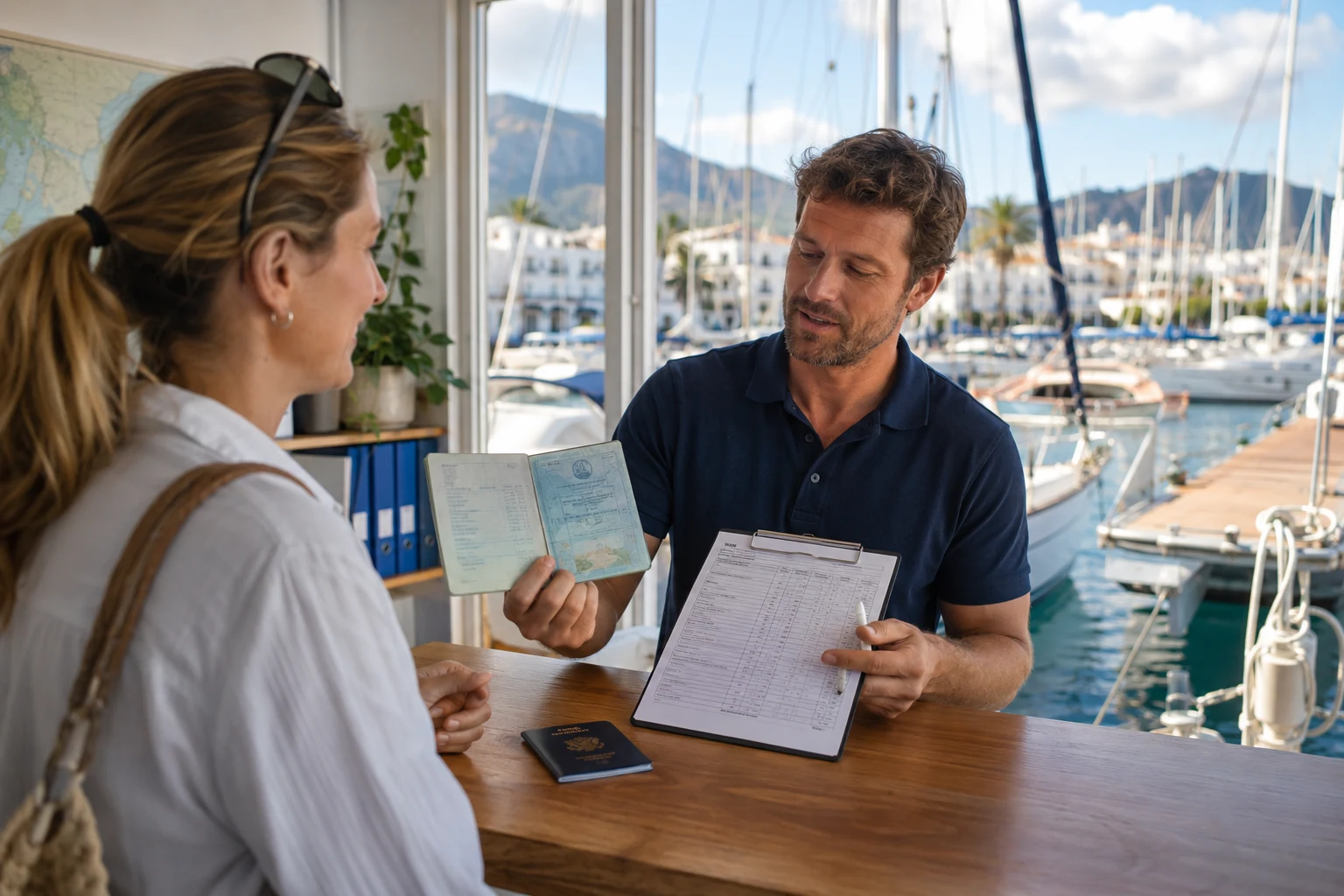
Bareboat Sailing in Spain: Requirements and Licences
Everything you need to bareboat charter in Spain: accepted licences, flag-state rules, VHF requirements, and what to do if yours isn't accepted.
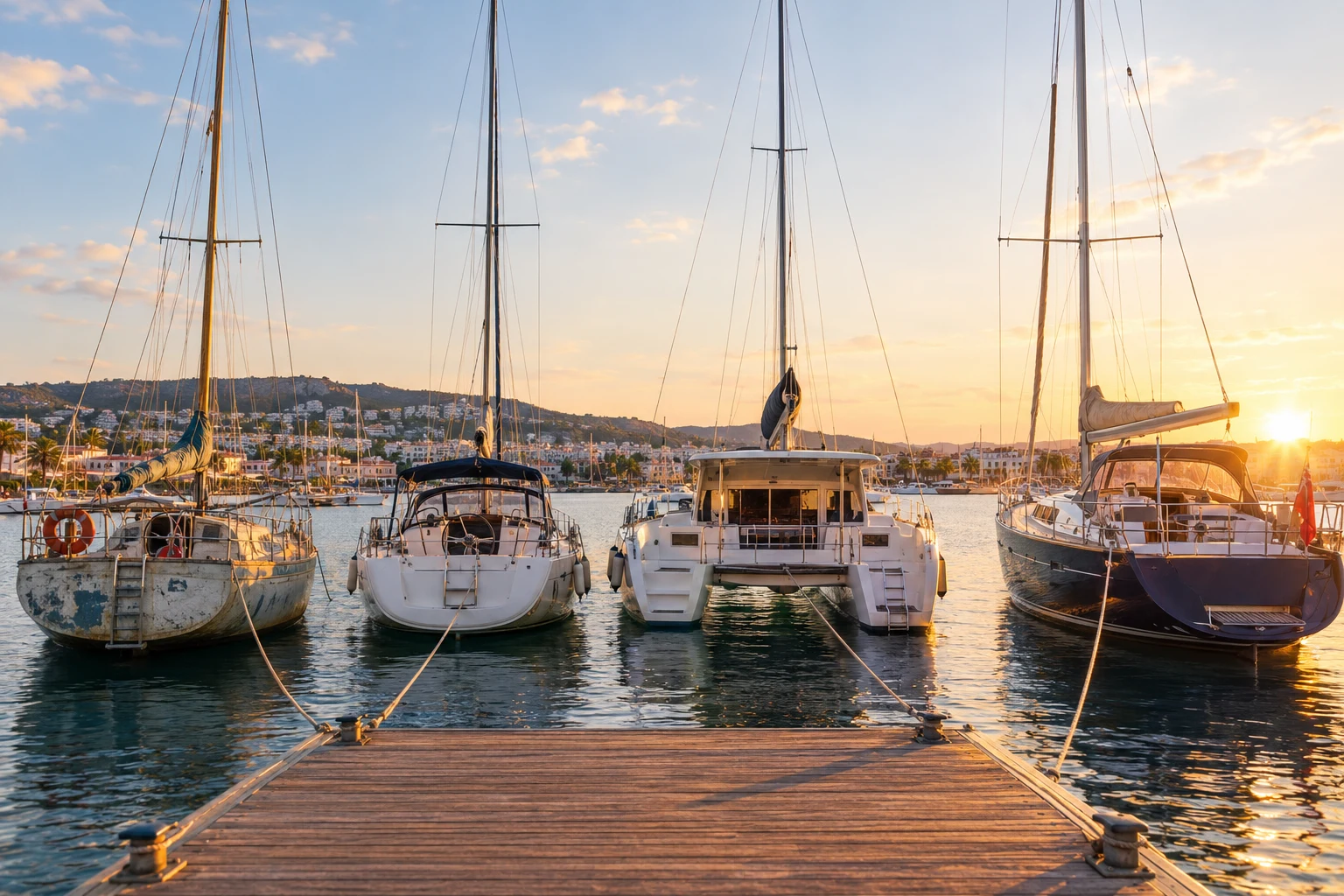
Yacht Charter Cost in Spain: What to Expect and How to Save
Real yacht charter costs in Spain by boat type, season, and region, plus what's included, hidden fees, and practical ways to cut the price.
How to Charter a Yacht in Spain: A Step-by-Step Guide
A step-by-step guide to chartering a yacht in Spain: choosing a charter type, budgeting, licences, booking, and what to expect once you're aboard.
Yacht Charter Provisioning Guide: Expert Tips & Checklists
Plan your sailing holiday like a pro with our yacht charter provisioning guide—food lists, meal planning, local market tips, and essential advice for every itinerary.

Best Yacht Type for Group Charters: How to Choose
Discover the best yacht types for group charters, from family reunions to corporate events. Compare sailing yacht options, capacity, cost, amenities, and legal limits.
What Information Is Needed to Book a Sailing Yacht Charter?
Discover the key information, documents, and requirements needed to book a sailing yacht charter. Learn what details charter companies need for a smooth reservation.
Yacht Charter Deposit Insurance: What It Covers & Why You Need It
Understand yacht charter deposit insurance: what it covers, costs, differences from security deposits, and how it protects your sailing holiday or commercial charter.