Full Description & Details
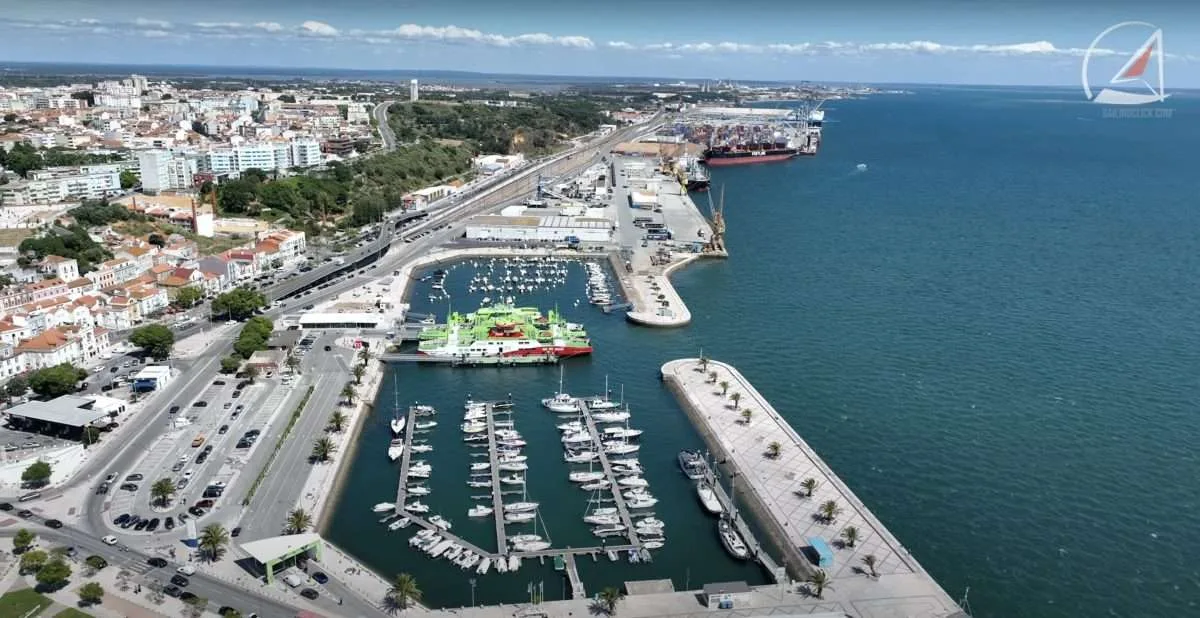
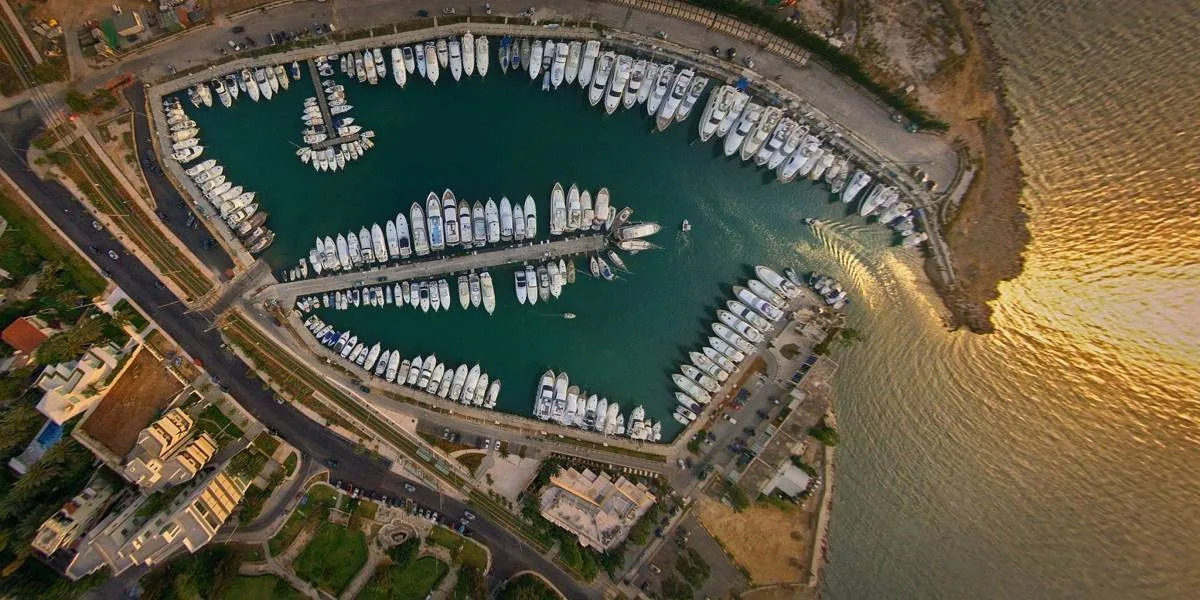
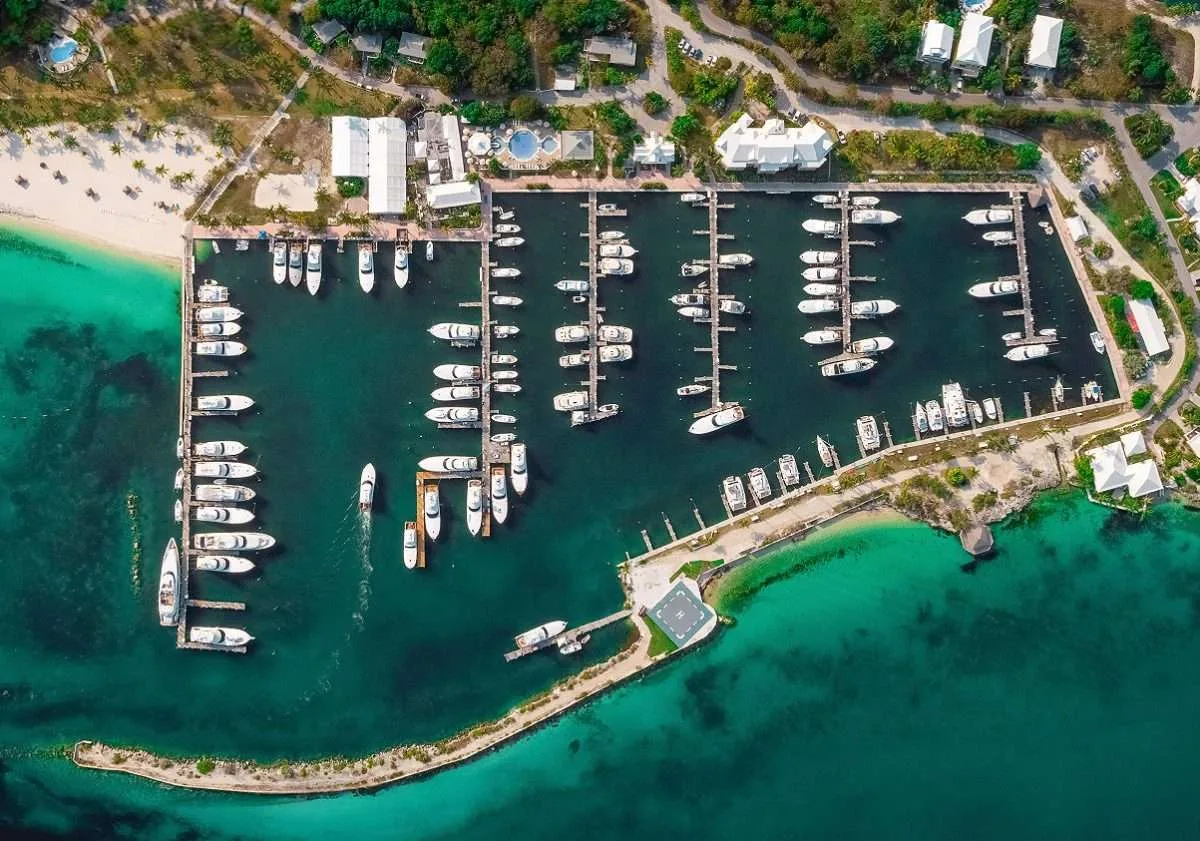
Setubal's Fishing Port (Porto de Pesca) sits at the heart of the city's coastal zone, along the Sado River estuary. The working harbor is defined by the daily rhythm of fishermen unloading catches, with the waterfront promenade offering garden benches and dolphin statues that reference the river's wildlife. The port area includes the main auction building, a second fish sales market for professionals, and the Rio Azul market open to the public. The surrounding streets, including Rua da Saudade near Avenida Luisa Todi, reflect the city's maritime history, with influences from Phoenician, Roman, and Age of Discovery eras still visible in the urban fabric.
The port's auction, managed by Docapesca, operates with a computerized system that uses electronic panels for countdowns and remote bidding. Modern facilities handle weighing, transporting, trading, preserving, and selling fish, ensuring a smooth process from dock to market. The adjacent professional market and the public Rio Azul market provide direct access to fresh seafood for both trade and visitors. The harbor itself is a busy working environment, with boats moving in and out throughout the day, while the promenade offers a quieter spot to observe the activity.
Overnight stays are permitted at the port, though specific berthing details are not documented in available sources. The port is primarily a commercial fishing facility, so visiting sailors should expect an operational atmosphere rather than a leisure-oriented marina. The location on the Sado River provides sheltered conditions, but the harbor's focus on fishing activity means amenities are geared toward the local industry. The waterfront area is walkable, with benches and statues providing a pleasant vantage point for watching harbor traffic.
The best time to visit is during daylight hours when the auction and markets are active, typically in the morning after fishing boats return. The port's public areas, including the promenade and Rio Azul market, are accessible to visitors, while the professional market and auction areas are restricted to licensed operators. The city of Setubal surrounds the port, offering easy access to urban services, though the immediate harbor area is dedicated to commercial fishing operations.
How to get there
Approaching Setubal's Fishing Port from the Sado River, vessels should navigate toward the city's waterfront, where the harbor is situated along the estuary. The port is located near the center of Setubal, with the main channel leading to the fishing docks and auction building. Mariners should be aware of commercial traffic, including fishing boats and larger vessels, and maintain a safe speed within the harbor limits.
No specific VHF channel or waypoint data is provided in available sources, so contacting local port authorities or Docapesca on standard harbor frequencies is recommended for entry guidance. Land access is straightforward from the city center, with the port adjacent to Avenida Luisa Todi and Rua da Saudade. The nearest airport is Lisbon's Humberto Delgado Airport, approximately 50 kilometers north, with road connections via the A2 motorway.
Setubal's train station and bus services link the port area to the wider region. Formal entry procedures for visiting yachts are not detailed in available sources, but given the port's commercial focus, sailors should check with local authorities for any clearance requirements before berthing.
Frequently Asked Questions
Can I stay overnight at Porto de Pesca in Setubal?
Yes, overnight stays are permitted at the port, though specific berthing details are not documented in available sources.
Is the fish market at Porto de Pesca open to the public?
The Rio Azul market at the port is open to the public, while the second fish sales market is restricted to professionals.
What facilities are available at Porto de Pesca for visiting sailors?
The port offers modern facilities for weighing, transporting, and preserving fish, but amenities are geared toward commercial fishing rather than leisure boating.
How do I contact the port authority at Porto de Pesca?
No specific VHF channel is listed in available sources; contact Docapesca or local port authorities on standard harbor frequencies for entry guidance.
More sailing guides
Bareboat Sailing in Spain: Requirements and Licences
Everything you need to bareboat charter in Spain: accepted licences, flag-state rules, VHF requirements, and what to do if yours isn't accepted.
Yacht Charter Cost in Spain: What to Expect and How to Save
Real yacht charter costs in Spain by boat type, season, and region, plus what's included, hidden fees, and practical ways to cut the price.
How to Charter a Yacht in Spain: A Step-by-Step Guide
A step-by-step guide to chartering a yacht in Spain: choosing a charter type, budgeting, licences, booking, and what to expect once you're aboard.
Yacht Charter Provisioning Guide: Expert Tips & Checklists
Plan your sailing holiday like a pro with our yacht charter provisioning guide—food lists, meal planning, local market tips, and essential advice for every itinerary.

Best Yacht Type for Group Charters: How to Choose
Discover the best yacht types for group charters, from family reunions to corporate events. Compare sailing yacht options, capacity, cost, amenities, and legal limits.
What Information Is Needed to Book a Sailing Yacht Charter?
Discover the key information, documents, and requirements needed to book a sailing yacht charter. Learn what details charter companies need for a smooth reservation.
Yacht Charter Deposit Insurance: What It Covers & Why You Need It
Understand yacht charter deposit insurance: what it covers, costs, differences from security deposits, and how it protects your sailing holiday or commercial charter.