 Marina
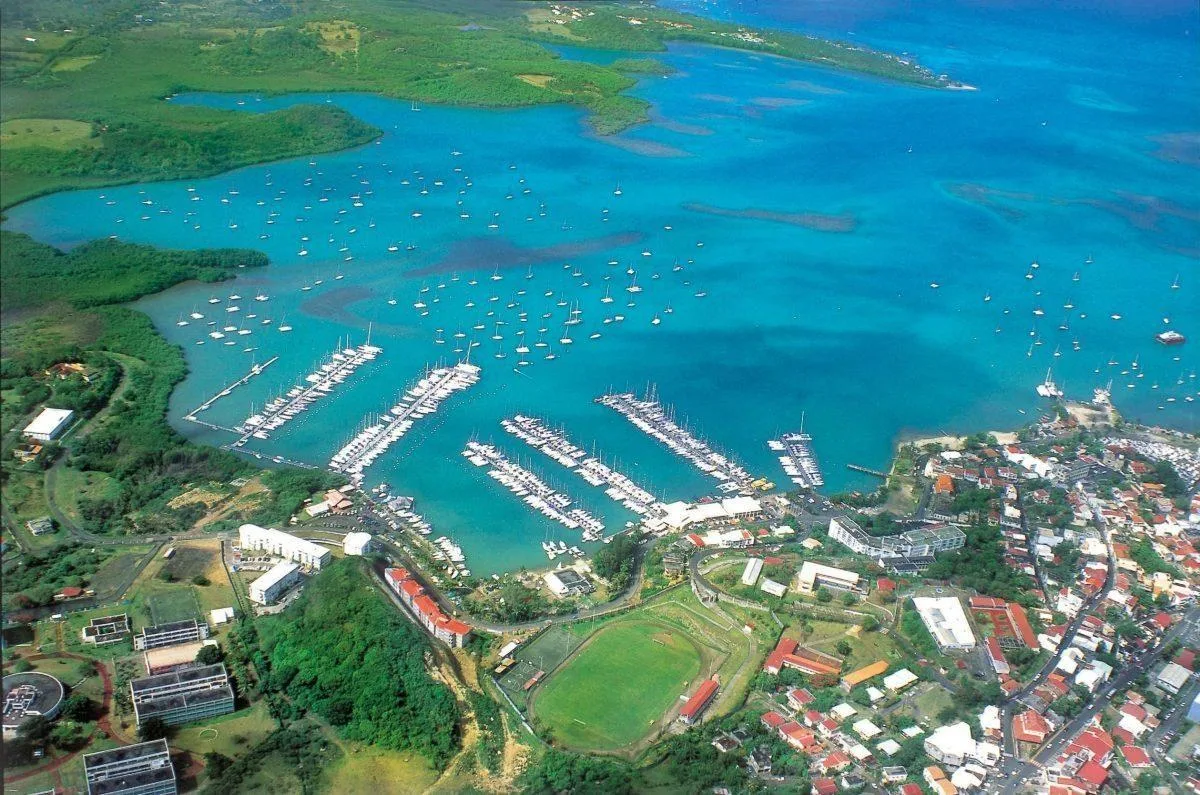
 Marina du Marin
Marina du Marin is a large Caribbean marina in Le Marin, Martinique, offering 830 berths, yachts up to 60m, and a 4.8m draft.
Details Caribbean · Leeward Islands
Martinique mixes French Caribbean polish with steady trade winds and a coast full of anchorages. Pick the right marina and the whole island opens up.
Navigation
Explore verified marinas, anchorages, moorings and harbours across Martinique.
Places
View all marinas Marina Marina du Marin is a large Caribbean marina in Le Marin, Martinique, offering 830 berths, yachts up to 60m, and a 4.8m draft.
Details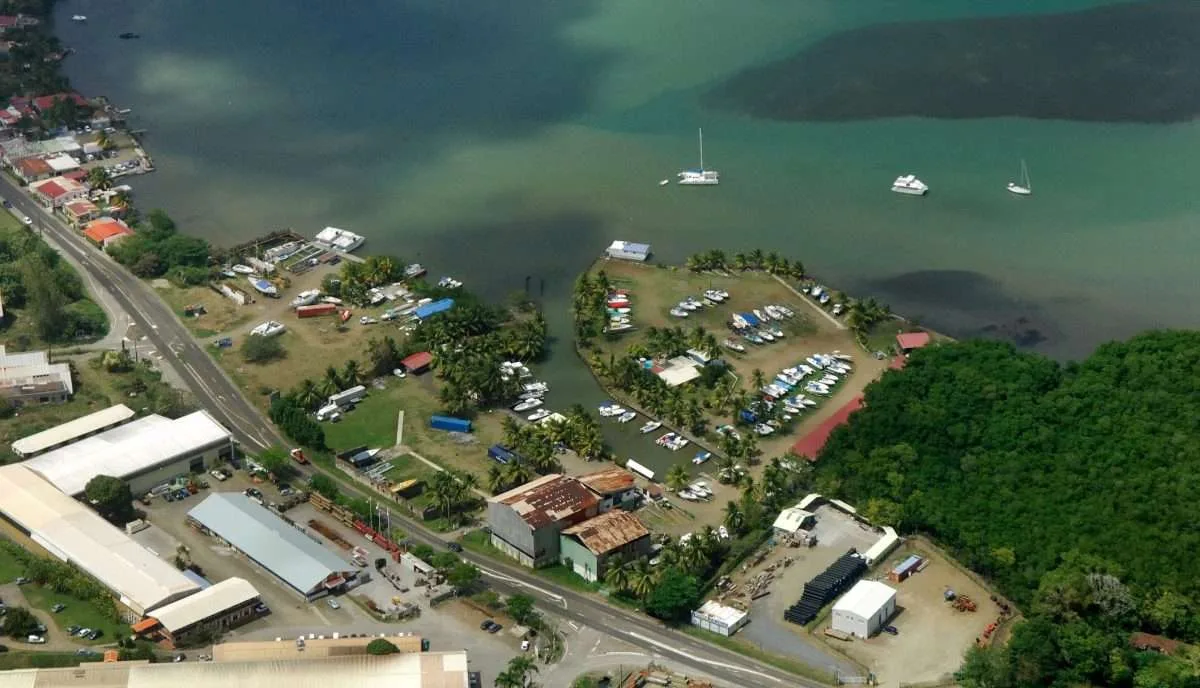 Marina
 Marina du Robert is a well-equipped marina in Le Robert, Martinique, offering 30 berths and 150 land spaces with full services.
 Marina
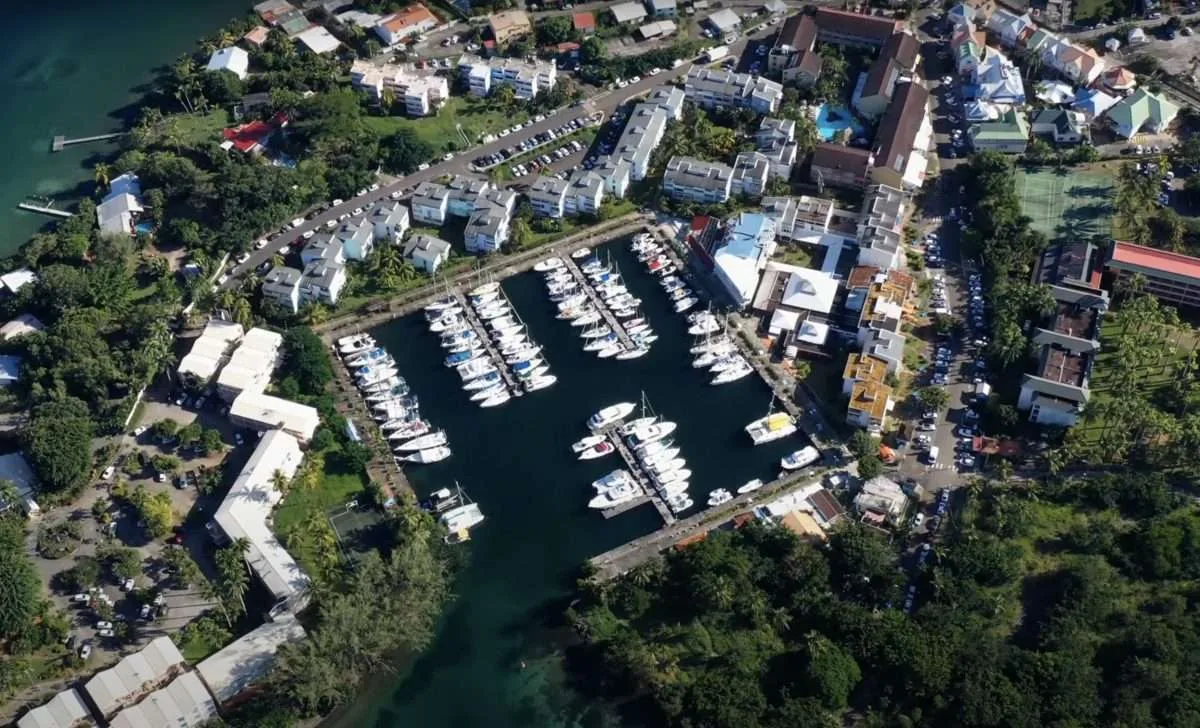
 Marina Pointe Du Bout is a marina in the bay of Fort-de-France, Martinique, within the Pointe du Bout hotel complex, offering 100 berths and services like water, electricity, WiFi, and showers.
 Marina
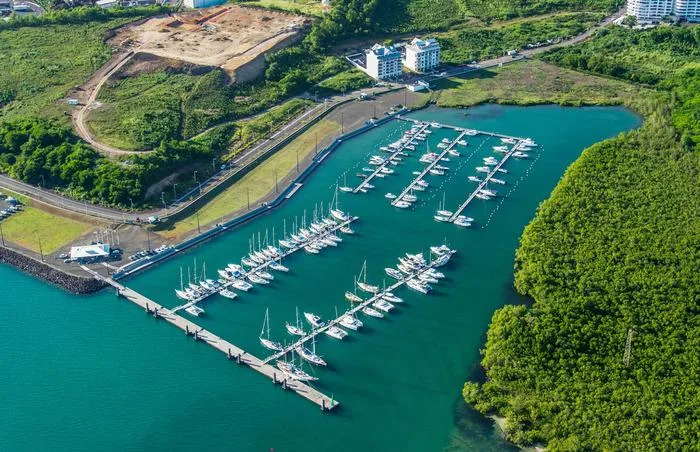
 Port de Plaisance de l'Etang Z'Abricots is a modern marina in Fort-de-France, Martinique, offering over 200 berths, full services, and city-center access.
Sailing guide
Most charters in Martinique start at Marina du Marin, the island's largest charter base and a natural first stop for any sailor. It sits on the south coast, sheltered and well equipped, with easy access to the leeward side of the island. If you are flying in and picking up a boat, this is where the sailing day begins.
From Marin, the classic route heads north up the west coast. Marina Pointe Du Bout is a short sail away and makes a convenient first overnight stop, with hotels, restaurants, and a long beach. Further north, Port de Plaisance de l'Etang Z'Abricots Marina gives shelter near the island's wilder Atlantic side, though most cruisers prefer the calmer Caribbean shore.
Marina du Robert, on the east coast, serves a different purpose. It is the jump-off point for the offshore passage to Guadeloupe or the islands of Les Saintes, and it handles more trade wind than the west coast harbors. If you are planning a longer run north, this is the base to use.
Anchorages between these marinas are the real draw. The bays along the west coast, from Anse à l'Ane to Anse Dufour, offer clear water and steady breezes. The south coast around Sainte-Anne is more exposed but has good holding and a lively beach scene. Each stop is short, so you can move daily without long passages. The island's French influence shows up on board too: baguettes, good wine, and well-sorted marinas all come standard.
Wind in Martinique is consistent, especially from December to May. The trade winds blow from the east at 15 to 25 knots, which makes the west coast a lee shore but manageable with planning. Most charter routes use the west and south coasts, keeping the fetch short and the sea state modest.
For provisioning, the marinas at Marin and Pointe Du Bout have supermarkets within walking distance or a short taxi ride. The smaller anchorages rely on restaurants and beach bars rather than chandleries, so stock up before leaving the bigger bases.
Entry formalities are straightforward for most nationalities, and the island uses the euro with French as the main language. If you are crossing from another Caribbean island, you will clear in at the first port, often Marin or Fort-de-France. The island is compact enough that a week's charter covers the highlights without rushing.
That mix of reliable wind, short hops, and real infrastructure makes Martinique a strong choice for a bareboat week. The anchorages are not deserted, but they are varied. You can have a quiet cove one night and a lively marina the next. The key is choosing the right base: Marina du Marin for convenience, Marina Pointe Du Bout for resort-style comforts, or Marina du Robert for longer passages east and north.
Marina du Marin is the largest charter base and the usual starting point. It is on the south coast with easy access to the west side anchorages and a short sail to Marina Pointe Du Bout.
Trade winds blow from the east at 15 to 25 knots from December to May. The west coast is leeward and calmer, while the east and south coasts see more swell and wind.
Yes, you must clear in at the first port of entry, such as Fort-de-France or Marina du Marin. Have your boat papers and passports ready.
The euro is the local currency. Most marinas take credit cards, but keep some cash for small markets and beach bars.
Marina du Robert is the better base for offshore passages north to Guadeloupe or Les Saintes. From the west or south coast marinas, the crossing is longer and more exposed.
The west coast beaches around Anse à l'Ane and Anse Dufour are within a short sail. The south coast near Sainte-Anne has clear water and good holding, though it can be busier.
Charter partner