 Marina
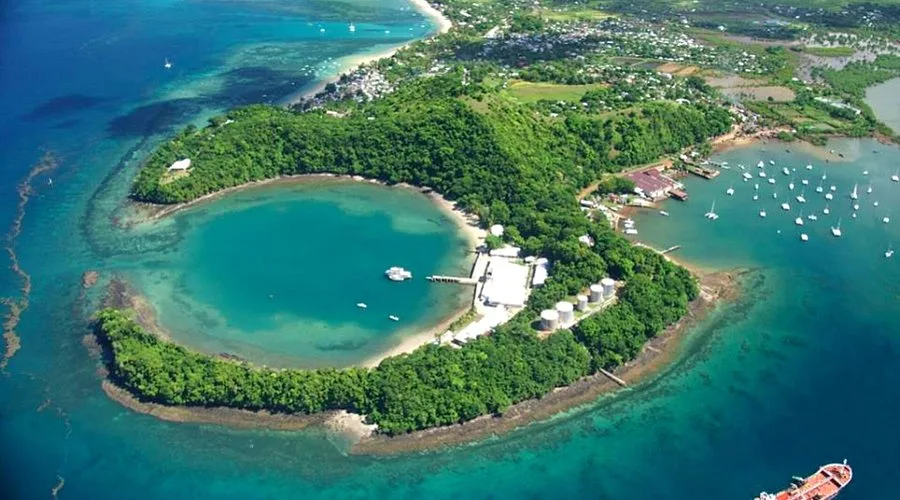
 Nosy Be Crater Marina
La Marina Crater at Nosy Be, Madagascar, is a marina offering 20 berths, depths of 2-5m, and amenities like water, power, and repair services, near Hell-Ville.
20 berths
Details Indian Ocean · Mozambique Channel
Madagascar rewards sailors with wild coastlines, coral reefs and steady trade winds. Pick the right base and the island opens up.
Navigation
Explore verified marinas, anchorages, moorings and harbours across Madagascar.
Places
View all marinas Marina La Marina Crater at Nosy Be, Madagascar, is a marina offering 20 berths, depths of 2-5m, and amenities like water, power, and repair services, near Hell-Ville.
 Marina
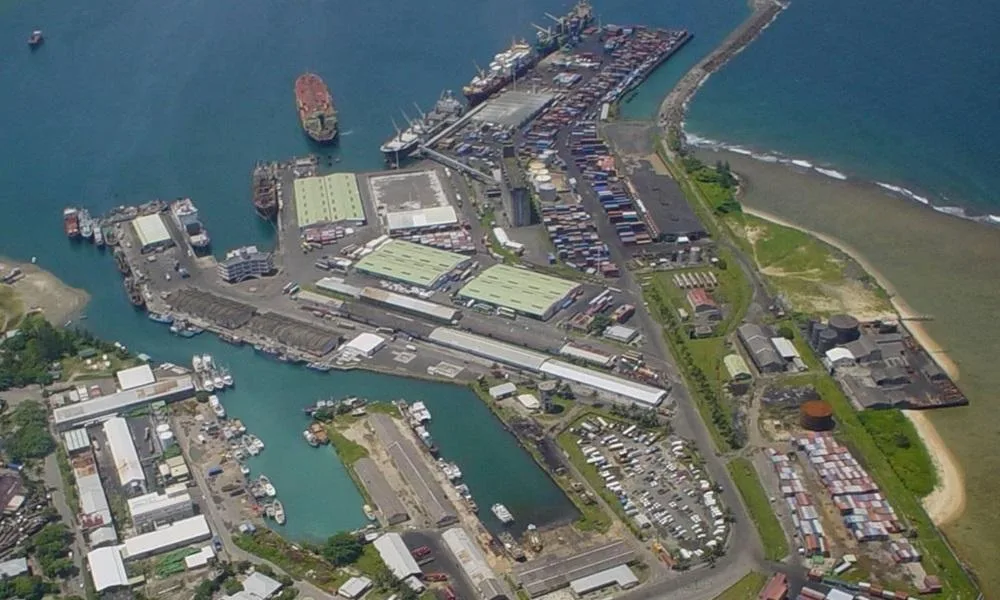
 Toamasina Marina is a key maritime hub on Madagascar's east coast, near the city of Toamasina, offering berths, refuelling, repairs, and easy access to local shops and dining.
 Marina
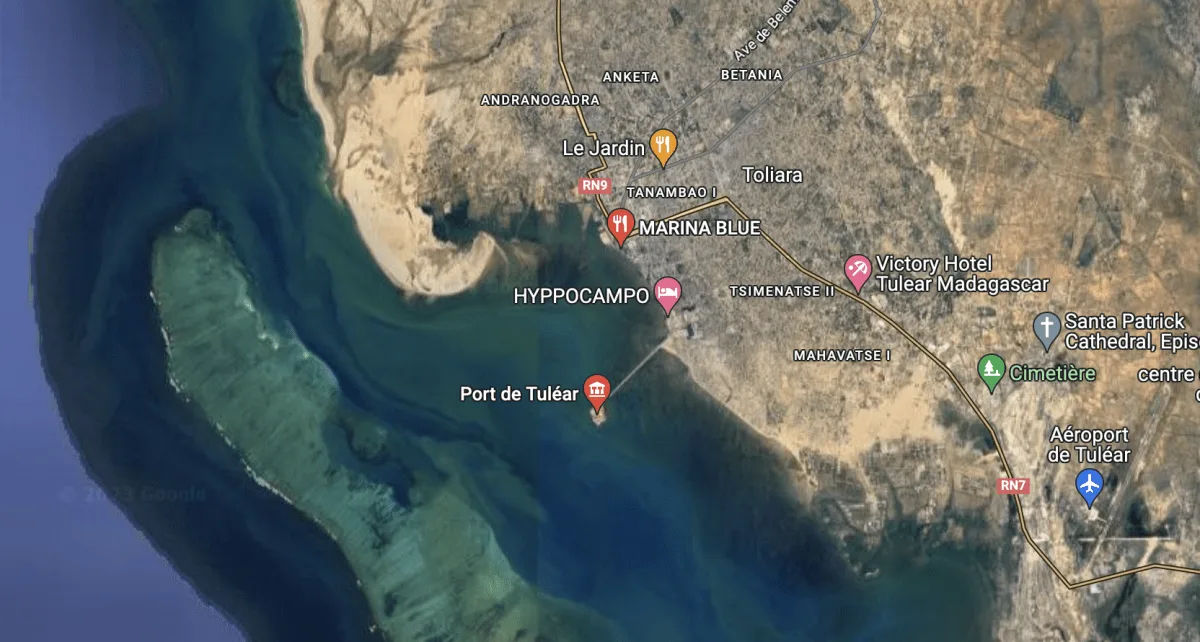
 Toliara Marina, on Madagascar's southwestern coast near Toliara city, offers berths, fuel, water, repairs, and easy access to local shops, markets, and diverse dining.
Sailing guide
For a Madagascar charter, the first decision is where to pick up the boat. The most established hub is Nosy Be Crater Marina, on the northwest coast. It sits close to the classic cruising grounds of the Nosy Be archipelago, with sheltered anchorages and easy access to the open sea. Most charter fleets and bareboat operators concentrate here, which makes it the natural starting point for a first visit.
If you want a different side of the island, Toamasina Marina on the east coast is the main port for the capital region. It is less sheltered than the northwest and the Indian Ocean swell can be lively, but it suits sailors who want to combine a charter with inland travel. Toliara Marina in the southwest is the gateway to the reef systems and spiny forest of the far south, though it is more remote and provisioning is thinner.
The sailing season runs roughly from April to November, when the southeast trades are steady and the cyclone risk is low. From Nosy Be, typical routes run south along the coast to the bays and islands of the Mozambique Channel, or north toward the scattered atolls. From Toamasina, passages are more open-ocean, and from Toliara you can head toward the barrier reef and the channels inside it. Whichever base you choose, plan for long distances between anchorages and carry spare parts, water and food.
Madagascar is a developing cruising destination, so facilities are basic outside the main marinas. Fuel, water and repairs are available at the listed bases, but not always at short notice. Check clearance procedures before you arrive, and budget for cash, since card acceptance is limited in smaller ports. The reward is uncrowded anchorages, strong local culture and some of the clearest water in the Indian Ocean.
Most charters start at Nosy Be Crater Marina on the northwest coast, where the sheltered archipelago offers the easiest cruising and the largest choice of boats.
The dry season from April to November is the safest window, with steady southeast trade winds and the lowest cyclone risk. The wet season from December to March brings heavier rain and possible cyclones.
Many nationalities can get a visa on arrival, but rules change. Check with the nearest Malagasy embassy or consulate before you travel, and confirm clearance procedures for your port of entry.
Conditions vary by coast. The northwest around Nosy Be is sheltered and calm, while the east coast near Toamasina is exposed to the Indian Ocean swell. The southwest near Toliara has reef-protected channels but stronger winds.
Yes. Around Nosy Be there are many protected bays and small islands. Toamasina has fewer sheltered spots, and Toliara offers access to the barrier reef and its inner passages.
Carry spare parts, extra water and food, since provisioning is limited outside the main marinas. Cash in ariary or euros is useful, and a good anchor is essential for the many reef anchorages.
Charter partner