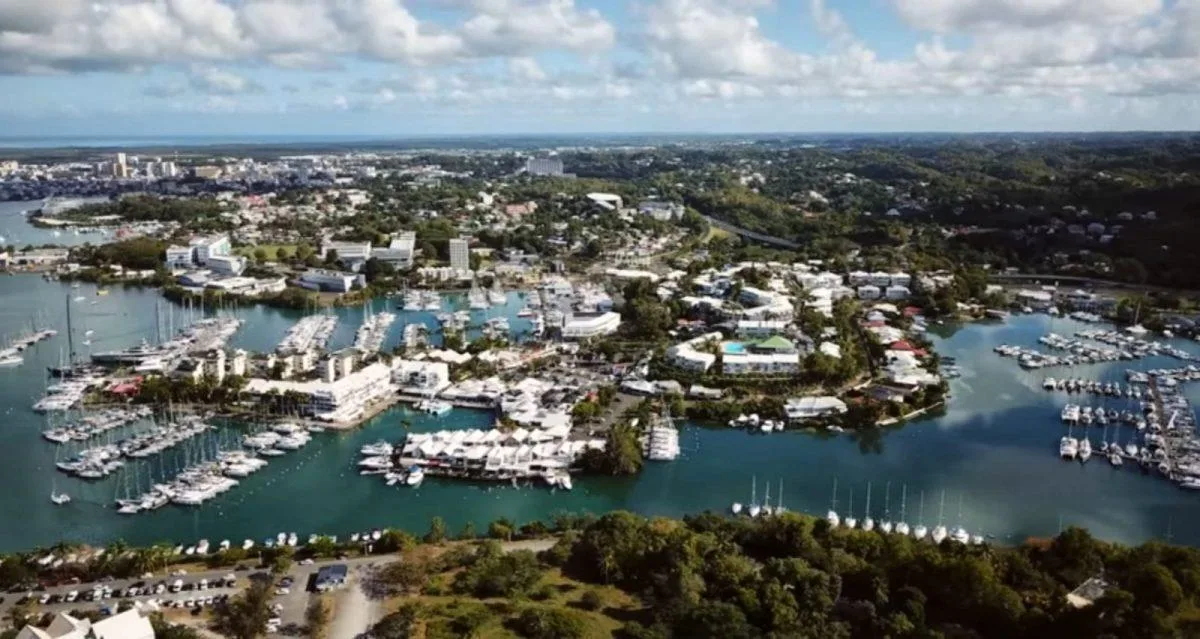
 Marina
 Bas-du-Fort Marina
Bas-du-Fort Marina in Pointe-a-Pitre, Guadeloupe, offers 1,200 berths for yachts up to 50m, with full amenities and shelter from easterly winds.
1200 berths
Details Caribbean · Leeward Islands
Two wings of island, one perfect sailing ground. Guadeloupe rewards cruisers who take time to explore both coasts.
Navigation
Explore verified marinas, anchorages, moorings and harbours across Guadeloupe.
Places
View all marinas Marina Bas-du-Fort Marina in Pointe-a-Pitre, Guadeloupe, offers 1,200 berths for yachts up to 50m, with full amenities and shelter from easterly winds.
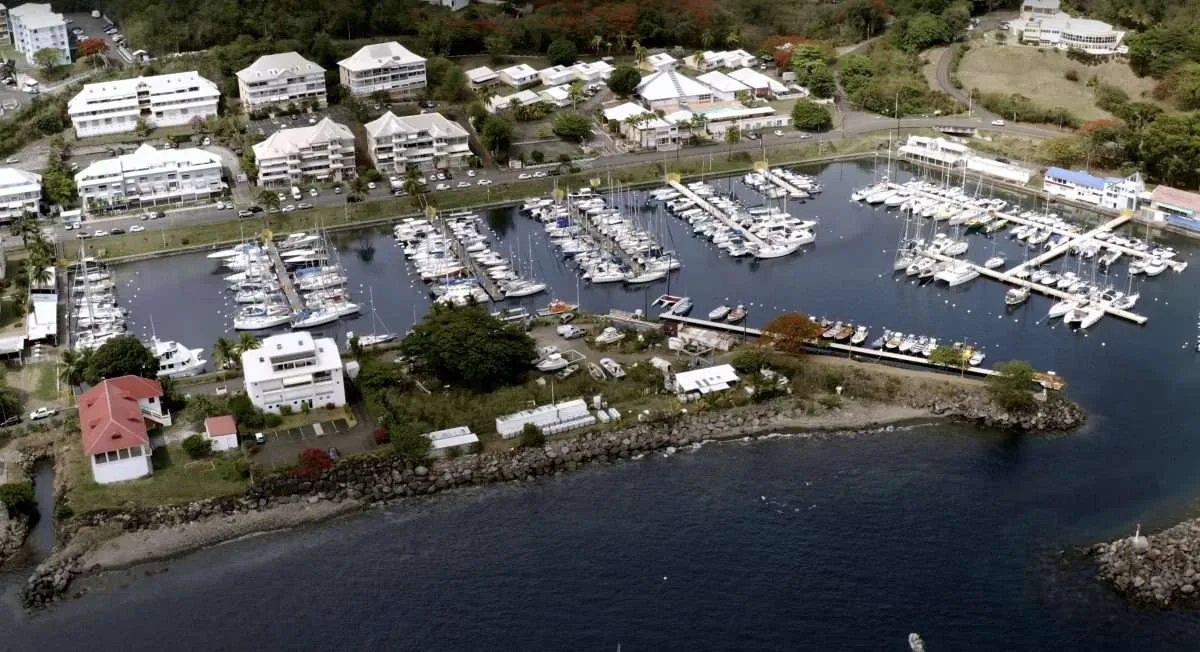 Marina
 Marina Riviere Sens, also known as Sud Ancrage Marina, is a secure quayside stopover on Basse-Terre's leeward coast in Gourbeyre, Guadeloupe, offering 340 berths and essential amenities.
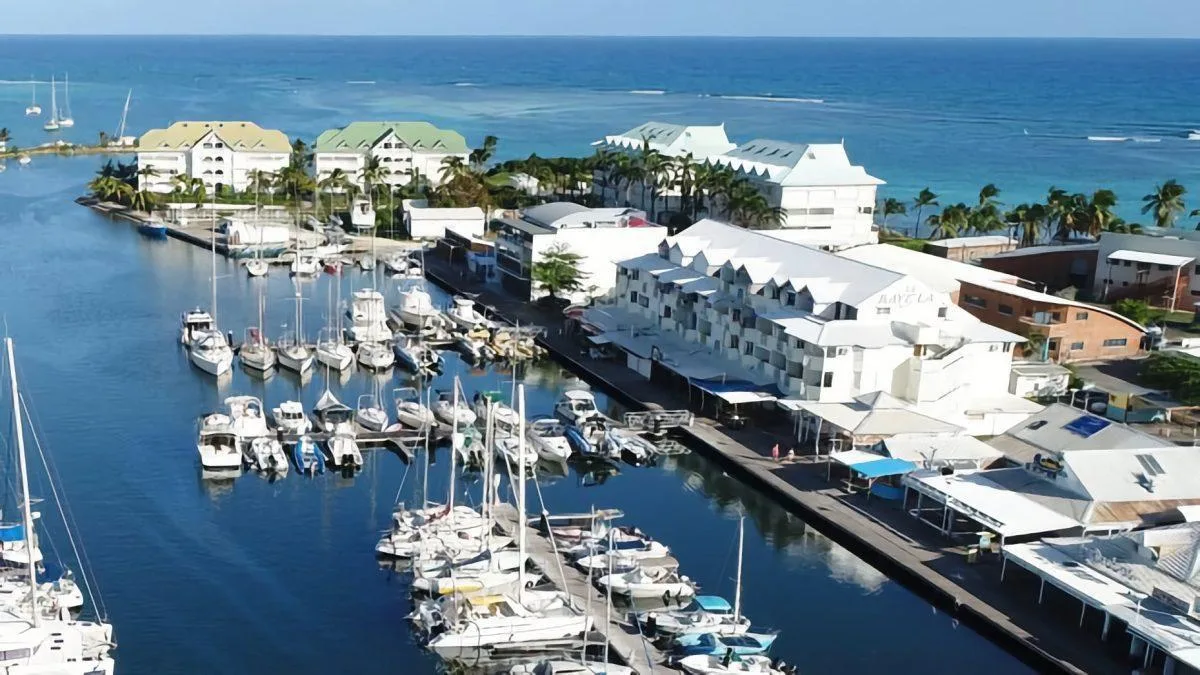 Marina
 Marina Saint-Francois is a 120-berth marina in Saint-Francois, Guadeloupe, offering fuel, services, and access to nearby islets.
Sailing guide
Guadeloupe is shaped like a butterfly, with two distinct wings divided by the narrow Salt River. Most charters start on the more developed southwestern side, where the main harbors and services are concentrated. The largest charter base is Bas-du-Fort Marina, tucked behind a reef near Pointe-à-Pitre. It is the busiest hub on the island, with good shelter, provisioning, and easy access to the sailing grounds.
From Bas-du-Fort, you can head south to Marina Rivière-Sens Gourbeyre, a quieter base near the town of Gourbeyre. It is a practical stop before crossing to the smaller islands of the Saintes or up the coast toward the protected anchorage of the Petite Terre. On the eastern side, Marina Saint-Francois is the main gateway to the lagoon and the nearby reefs, and it is the natural jumping-off point for a run to Marie-Galante or the Îles de la Petite Terre.
The sailing here is classic trade-wind cruising: steady easterlies, warm water, and short passages between islands. The west coast of the butterfly's two wings is generally calmer, while the east side is more exposed to the Atlantic swell. Plan your route around the prevailing winds, and always check the local forecast before crossing between the wings or heading offshore.
Guadeloupe is an overseas region of France, so you get the best of both worlds: Caribbean scenery with European infrastructure. The currency is the euro, and French is the official language, though English is spoken in the main marinas. Provisioning is good, especially in the larger supermarkets near Bas-du-Fort and Saint-François, and the local rum and Creole cuisine are worth planning meals around.
The dry season from December to May offers the most reliable trade winds and the least rain. The summer months are still sailable but bring higher humidity and a higher chance of tropical waves.
Guadeloupe is part of the European Union, so Schengen visa rules apply. Citizens of many countries, including the US and Canada, can visit visa-free for short stays, but always check the latest requirements before you go.
Most cruisers start from Bas-du-Fort Marina, the largest charter hub on the island. It offers the widest range of services, provisioning, and easy access to the best sailing areas.
Expect steady easterly trade winds of 15 to 25 knots, especially from December to May. The west coast is more sheltered, while the east side is more exposed to the Atlantic swell.
Yes, the two wings are separated by the narrow Salt River, which is navigable by sailboat. The crossing is short but can be tricky in strong currents, so time it with the tide and check local conditions.
Charter partner